In industrial automation, heavy construction machinery, and fluid power systems, selecting the correct linear actuator is vital for precise motion control. Many engineers and technicians often wonder: what is the difference between single-acting and double-acting cylinders? Understanding how these two distinct designs operate helps ensure that your equipment delivers the necessary power, speed, and directional control for demanding applications.
Choosing the right cylinder requires more than matching physical dimensions; it involves evaluating your system's load requirements, return stroke mechanisms, and motion control needs. By exploring the mechanical differences between single-acting and double-acting hydraulic and pneumatic systems, you can optimize your machinery's performance and safety.

The fundamental distinction between the two designs lies in how hydraulic or pneumatic fluid is used to move the piston in both directions.
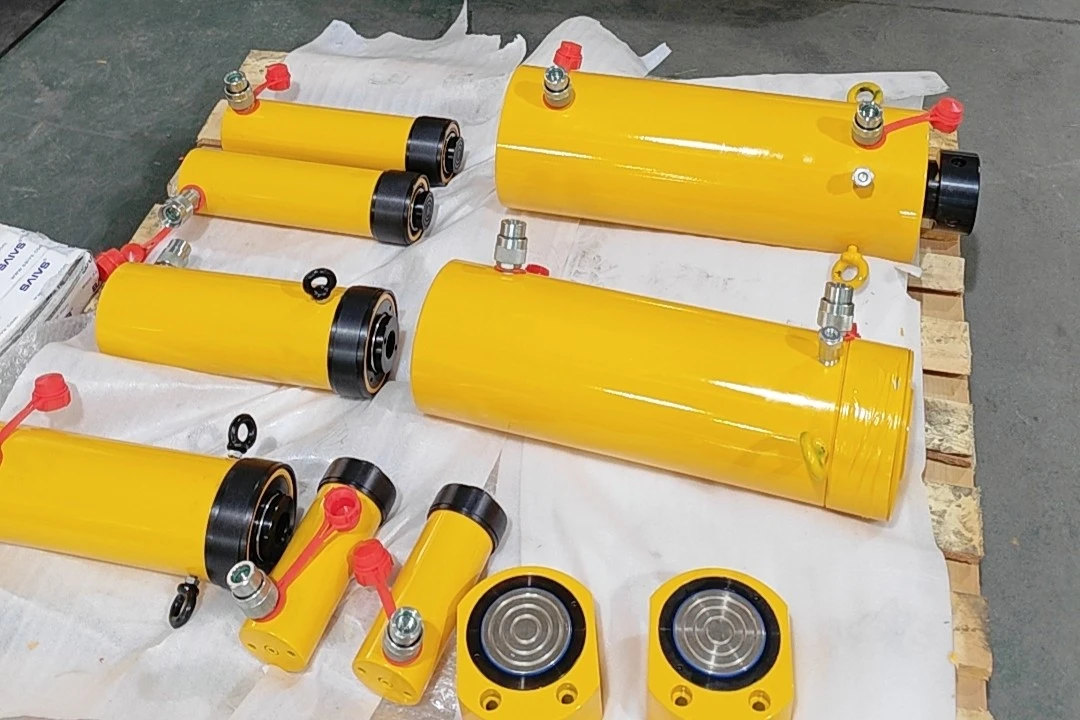
A single-acting cylinder features only one fluid port on the barrel. Pressurized fluid enters through this single opening to push the piston in one direction—typically extending the rod. Once pressure is released, the piston returns to its original position using an internal mechanical spring, gravity, or an external load. Because they rely on passive forces for the return stroke, these cylinders are common in simple lifting tools, basic clamps, and standard hydraulic jacks where a single active stroke is sufficient.
A double-acting cylinder features two fluid ports—one located near the base (cap end) and another near the rod end. Pressurized fluid is pumped into the cap end to extend the piston and into the rod end to retract it. This dual-directional power allows the machinery to push and pull with equal or controlled force, making it indispensable for complex mechanical tasks where resistance must be overcome in both directions.
Because of their contrasting fluid requirements, the two cylinder types use different control architectures. Single-acting systems typically pair with simpler three-way valves or hand pump release circuits. Double-acting systems require four-way or multi-position directional valves to route fluid alternately to each side of the piston, allowing precise regulation over both extension and retraction speeds.
Selecting the right actuator depends heavily on the operational demands of your specific work environment.
Single-acting units excel in vertical lifting operations where gravity naturally retracts the load, or in applications featuring built-in return springs. They offer simplified plumbing, fewer connection points, and lower initial costs, making them the preferred choice for straightforward pressing, clamping, and light-duty material handling tasks.
If your machinery must push against a heavy load while extending and then pull an equally heavy load or overcome high friction while retracting, a single-acting spring-return cylinder will fail. Double-acting cylinders are required whenever the return stroke demands positive mechanical force, in overhead or multi-angle lifting where gravity is unreliable, and in high-speed automated manufacturing lines requiring rapid, predictable cycle times.
Regardless of which cylinder type you deploy, proper maintenance is essential. Regularly inspect seals, keep chrome-plated piston rods clean and protected with a light film of clean hydraulic oil, and ensure your system operates strictly within its rated pressure limits to prevent premature wear or component failure.
Success in fluid power applications relies on selecting robust tools and maintaining them with high-quality supplies engineered specifically for the demands of your work environment.
When operating high-pressure industrial systems, you need equipment designed for extreme durability and effortless serviceability. Robust housing designs, precision internal machining, and high-grade seals ensure reliable performance under continuous heavy loads. Saivs focuses on providing heavy-duty fluid power hardware that stands up to demanding industrial use, giving you dependable results every single time.
Selecting the ideal cylinder type, matching correct fluid viscosities, or evaluating system requirements requires a clear understanding of fluid dynamics. If you need assistance with equipment selection, custom engineering, or troubleshooting, consult with experts who understand industrial hydraulics. Professional guidance ensures that your hardware investments accurately protect your operational safety and efficiency.
For professionals demanding the best in fluid control and heavy machinery support, Saivs offers a comprehensive range of industrial equipment. Their commitment to engineering quality and reliability helps keep your operations running smoothly without unexpected interruptions. By choosing Saivs, you invest in durability, precision, and the long-term success of your industrial operations.