What Are Common Manual Pump Mistakes?
In industrial maintenance, construction, and specialized fluid power applications, manual tools provide reliable force and precise control where electrical power is unavailable. Many technicians often rely on a hydraulic hand pump or a manual hydraulic pump to operate cylinders, pullers, and tensioning tools. However, improper operation can lead to equipment damage, inefficient pressure buildup, and safety hazards.
Avoiding these common operational errors ensures that your manual equipment performs reliably and extends the lifespan of your tools. By understanding the typical mistakes made during manual pumping operations, you can improve both safety and efficiency on the job site.
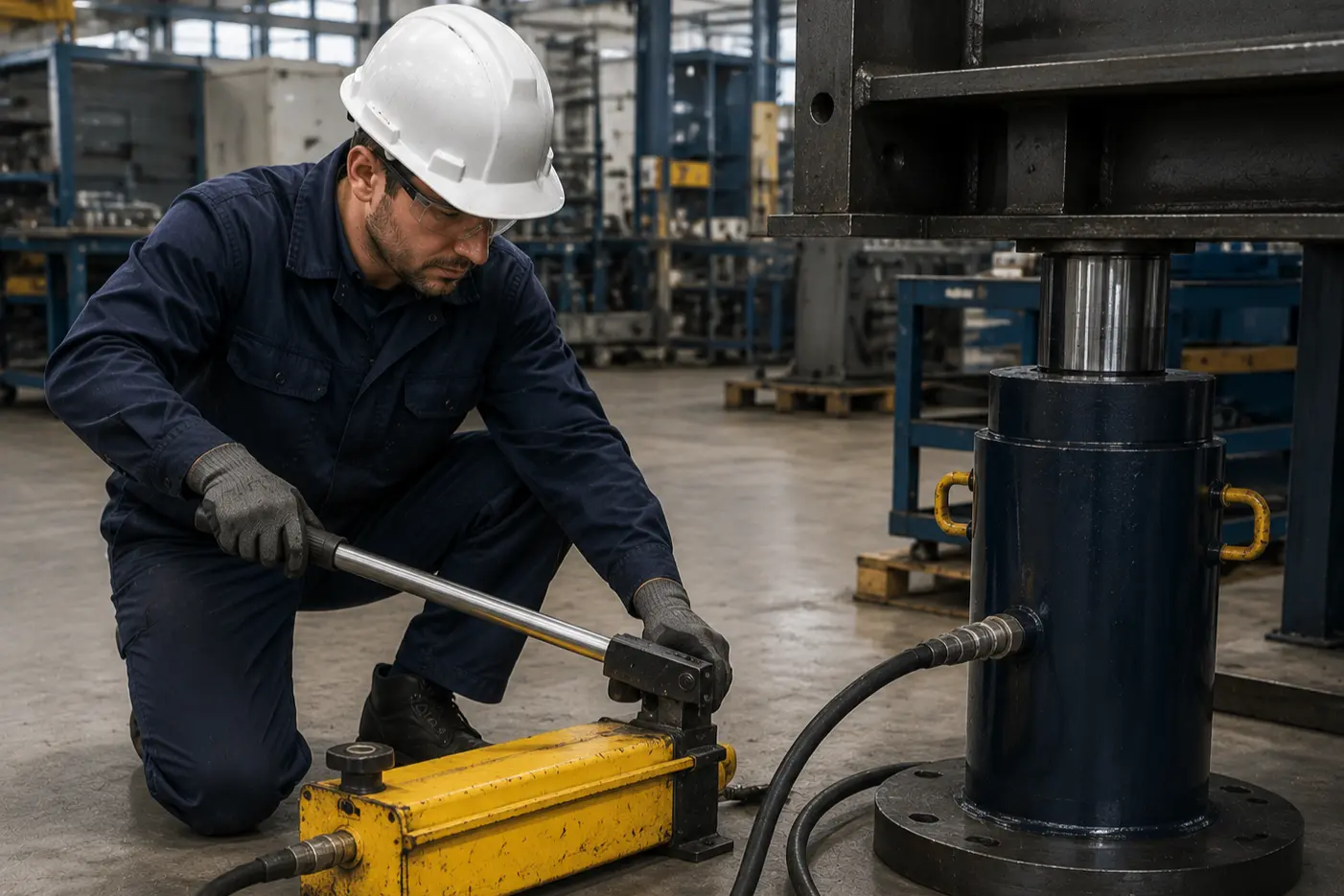
Frequent Errors in Manual Pump Operation
Using hand-operated hydraulic equipment requires proper technique, regular care, and adherence to manufacturer guidelines.
Over-Stroking or Forcing the Handle
One of the most common mistakes is attempting to force a faster stroke or pulling the pump handle beyond its designed physical limit. A manual hydraulic pump is engineered with specific leverage ratios to build high pressure progressively. Forcing the handle or using cheater pipes to extend leverage places excessive mechanical stress on internal pivot pins, seals, and the housing, often resulting in bent components or blown seals.
Neglecting Fluid Levels and Reservoir Maintenance
Manual pumps rely on precise fluid volumes within their reservoirs to function correctly. A frequent error is operating a hydraulic hand pump with low oil levels, which allows air to be drawn into the pumping chamber. This leads to spongy operation, a failure to build full pressure, and internal cavitation. Always check the fluid reservoir before use, ensure the vent valve is properly set, and use only recommended hydraulic oils.
Forgetting to Release Pressure Safely
Failing to close or open release valves correctly can lead to erratic pressure behavior and sudden load drops. Operators sometimes leave release valves partially open or force them shut too aggressively, which damages internal needle valves. Always follow a controlled, gradual release procedure when lowering loads or resetting cylinders to maintain absolute safety in the workspace.
Best Practices for Reliable Manual Pumping
Preventing equipment failures and ensuring consistent performance requires adopting standardized operating procedures.
Proper Storage and Positioning
How you store your manual equipment directly impacts its readiness for the next job. Leaving a manual hydraulic pump pressurized or storing it outdoors exposed to moisture and dirt will degrade the seals and cause corrosion on internal metal parts. Always store pumps in a clean, dry environment with the handle secured and pressure fully released.
Routine Inspection of Hoses and Couplings
Because manual pumps frequently operate at very high pressures—often reaching up to 10,000 PSI—inspecting quick-disconnect couplers, hoses, and fittings is critical. A common mistake is connecting contaminated or loosely threaded fittings, which can leak fluid or cause dangerous pressure blowouts under load. Regular visual and tactile checks protect operators from unexpected equipment failures.
Matching Pump Capacity to Application Demands
Using a pump that lacks adequate oil displacement capacity for a massive cylinder will result in excessive pumping effort and wasted time. Ensure that the fluid volume and pressure rating of your hydraulic hand pump match the requirements of the attached hydraulic tool. Proper system matching ensures smooth, efficient operation without unnecessary physical strain.
Achieving Excellence with Professional Equipment
Success in fluid power applications requires a commitment to quality hardware, precise engineering, and reliable manufacturing standards.
Engineering for Consistent Results
When operating high-pressure industrial systems, you need equipment designed for extreme durability and effortless serviceability. Robust pump housings, precise internal machining, and high-grade seals ensure reliable performance under continuous heavy loads. Saivs focuses on providing heavy-duty fluid power hardware that stands up to demanding industrial use, giving you dependable results every single time.
Expert Support for Your Hydraulic Needs
Selecting the ideal pump category or matching the correct system components to your application requires a clear understanding of fluid dynamics. If you need assistance with equipment selection, calibration, or maintenance procedures, consult with experts who understand industrial hydraulics. Professional guidance ensures that your hardware investments accurately protect your operational safety and efficiency.
Trusted Solutions for Industrial Excellence
For professionals demanding the best in fluid control and heavy machinery support, Saivs offers a comprehensive range of industrial equipment. Their commitment to engineering quality and reliability helps keep your operations running smoothly without unexpected interruptions. By choosing Saivs, you invest in durability, precision, and the long-term success of your industrial operations.