What Torque Wrench Is Better, Digital or Analog?
In industrial maintenance, construction, and precision engineering, selecting the right fastening instrument is critical for structural integrity. Many professionals often debate whether manual torque wrenches, Hydraulic Torque Wrenches, or electric torque wrenches are superior when further categorized into digital and analog designs. The answer depends on whether your priority is real-time data logging or robust, battery-free mechanical reliability.
Because both digital and analog systems offer distinct advantages, understanding how each technology performs helps you select the proper equipment to complete every assembly securely and safely.
Comparing Digital and Analog Torque Wrenches
Choosing the better tool starts with examining how digital and analog models measure and display force.
The Precision and Data Capabilities of Digital Wrenches
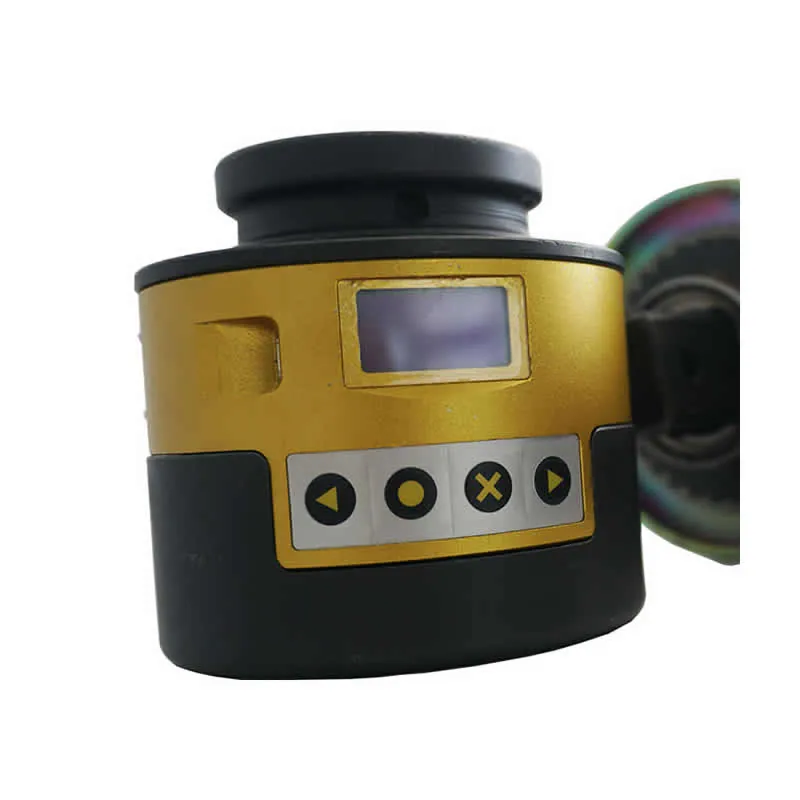
digital torque wrenches utilize electronic strain gauges to measure force, displaying an exact numerical readout on an LCD screen. This technology eliminates the parallax errors common with visual scales and provides precise readings in real-time. Furthermore, many digital models feature data logging capabilities, allowing operators to store and download tightening records for quality assurance and compliance reporting. Saivs engineers these digital systems to deliver top-tier accuracy for industries where documentation is mandatory.
The Mechanical Reliability of Analog Wrenches
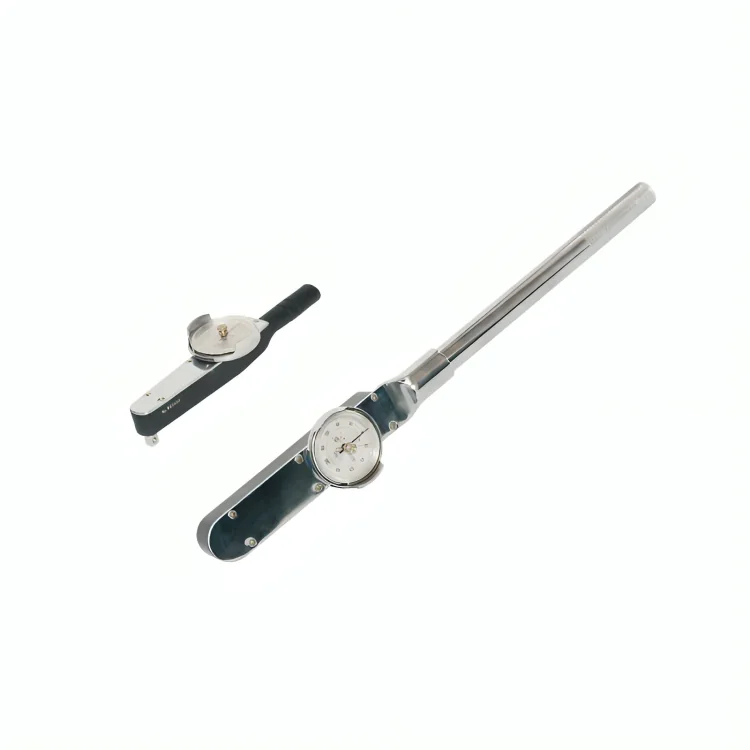
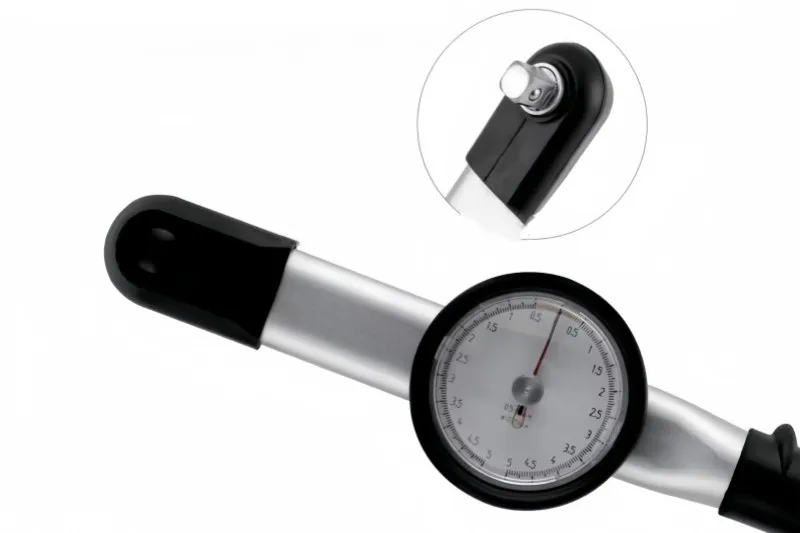
Analog torque wrenches—including classic click-type and dial designs—rely on mechanical springs and direct-reading beams rather than batteries or circuit boards. Because they contain no sensitive electronics, analog tools are often favored for harsh field environments where dust, moisture, and extreme temperatures can compromise digital screens. A dial or beam analog wrench provides a direct visual link to the metal bending under load, making it an unchanging, dependable reference point for routine maintenance tasks.
Balancing Control and Measurement
The choice between digital and analog often comes down to your operational workflow. An analog click wrench is exceptional for fast, repetitive assembly lines where an audible signal tells the operator to stop. Conversely, a digital wrench offers superior versatility with multiple unit conversions and programmable target alerts. Both systems offer world-class accuracy, but the "better" choice depends on whether your environment demands rugged simplicity or advanced digital tracking.
Factors That Determine Which Tool Is Right for You
Selecting the superior wrench requires evaluating your working conditions, budget, and project compliance requirements.
Working Environment and Durability
Your physical workspace plays a massive role in tool longevity. If you are working outdoors in wet conditions or inside heavy industrial sites, a rugged analog tool or a heavy-duty Hydraulic torque wrench might be more resilient against physical abuse. On the other hand, clean indoor assembly rooms and controlled laboratory settings are ideal for maximizing the advanced features of a sensitive digital tool.
Calibration and Maintenance Requirements
Both digital and analog tools require regular calibration to maintain accuracy over time. However, their maintenance profiles differ. Analog tools require proper storage—such as releasing tension on mechanical springs after use—to prevent calibration drift. Digital tools require battery management and protection against moisture. Saivs provides comprehensive guidelines for all tool types to ensure your equipment remains accurate throughout its service life.
Total Cost of Ownership
Budget is always a practical consideration. Analog click wrenches generally offer a lower initial investment and lower maintenance overhead, making them cost-effective for large teams. Digital tools carry a higher upfront cost due to their advanced circuitry and software compatibility, but they save time and money in industries that require automated quality control reporting. Evaluating your workflow ensures you invest in the right system.
Achieving Excellence with Professional Equipment
Success in industrial assembly is the direct result of using tools engineered specifically for the demands of your trade.
Engineering for Consistent Results
When you rely on high-precision tools, you need equipment built to withstand harsh workplace environments. A well-constructed tool features clear displays or scale markings, durable internal mechanisms, and comfortable handles that allow for steady, controlled force application. Saivs focuses on providing reliable tools that bridge the gap between industrial strength and absolute precision, ensuring dependable performance for every single connection.
Expert Support for Your Tooling Needs
Selecting the ideal tool type for your application is just as important as the tool's baseline quality. If you are uncertain whether a digital or analog wrench is best for your current setup, consult with specialists who understand industrial bolting dynamics. Professional guidance helps you choose equipment that maximizes both safety and workflow efficiency.
Trusted Solutions for Industrial Excellence
For professionals demanding the best in measurement and assembly, Saivs offers a comprehensive range of industrial tools. Their commitment to engineering quality and reliability helps keep projects on track and within strict specifications. By choosing Saivs, you are investing in precision, durability, and the long-term success of your maintenance and construction operations.