What is the 20 80 rule for torque wrenches?
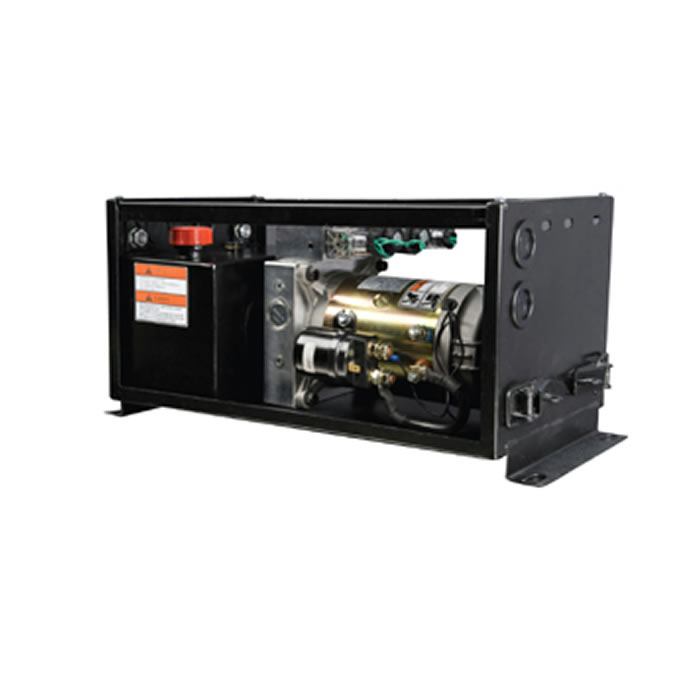
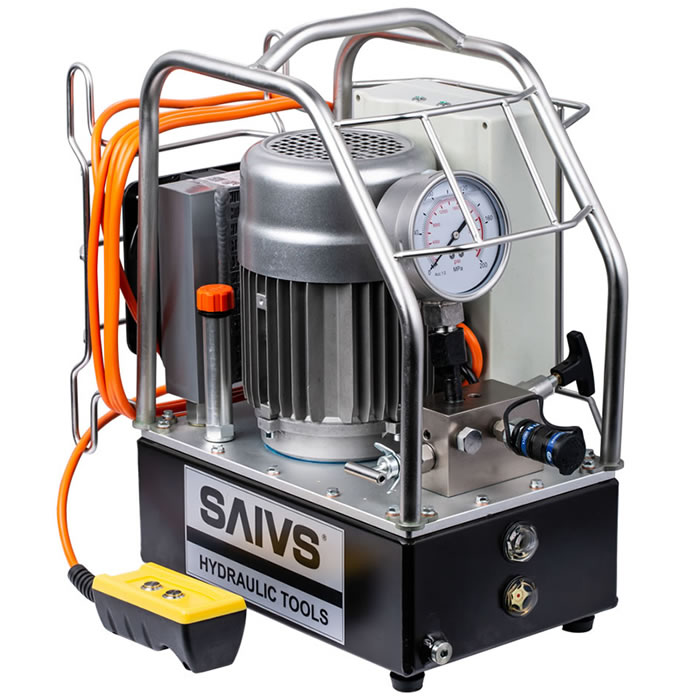
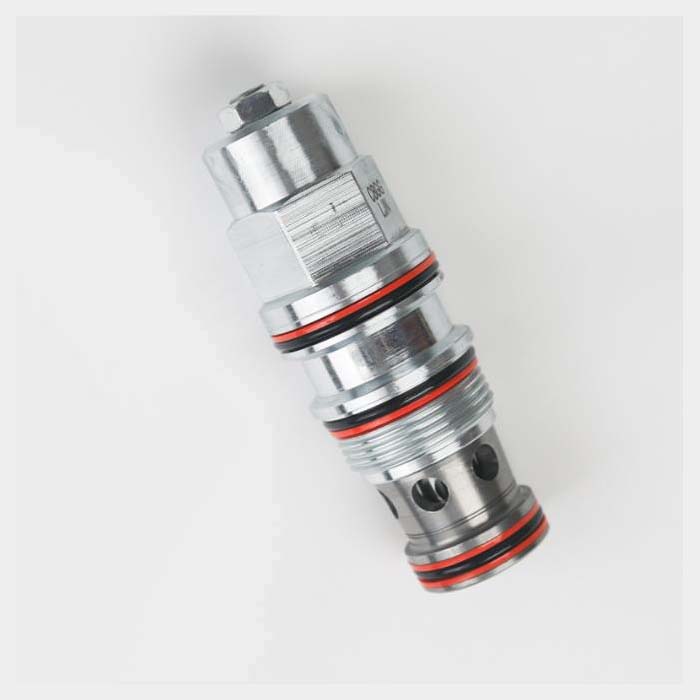
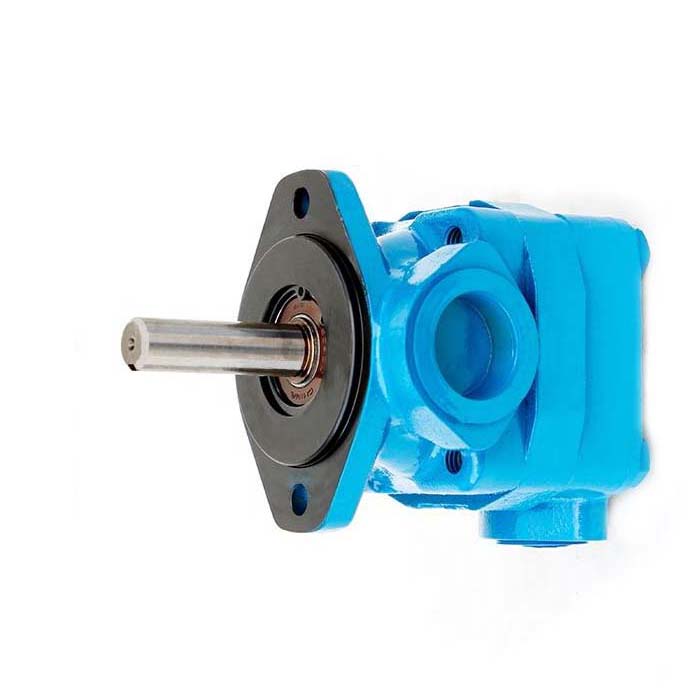
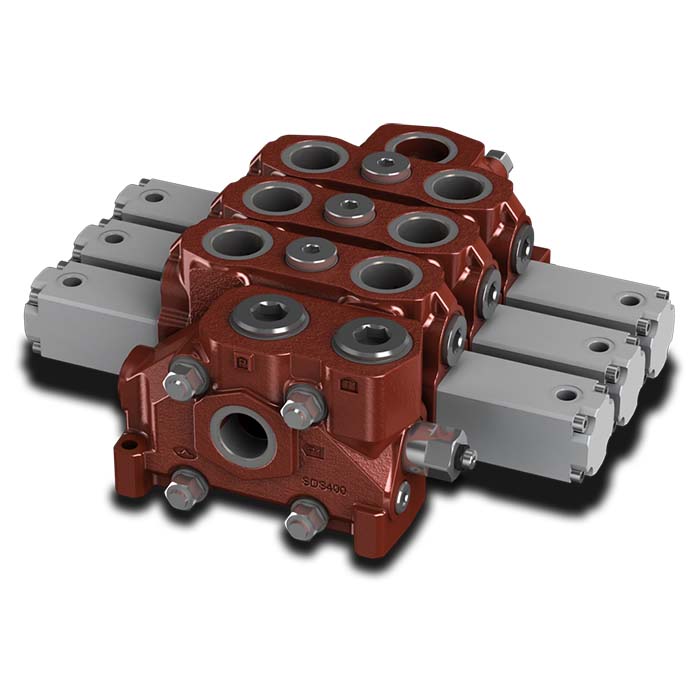
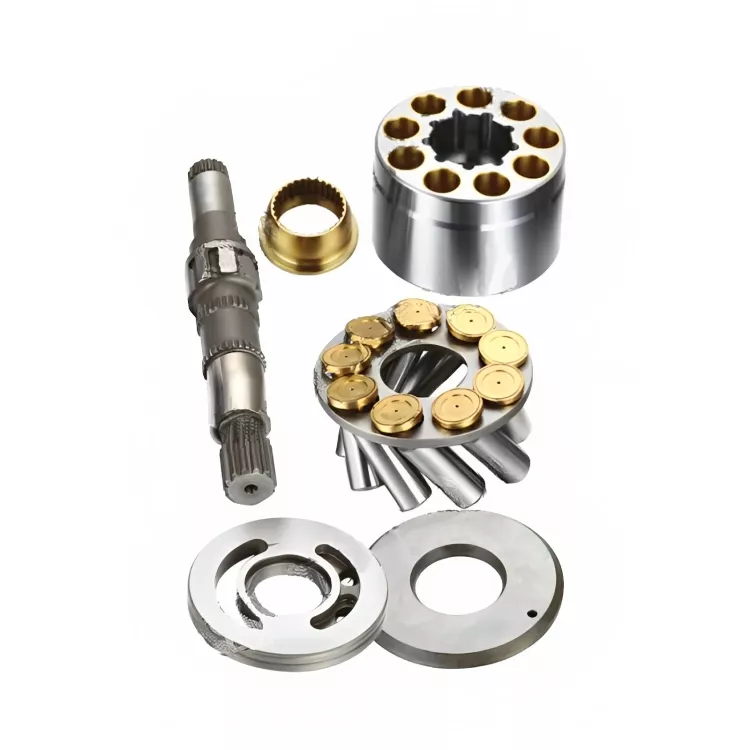
In the world of mechanical assembly, accuracy is everything. You may have heard technicians talk about the "20-80 rule," which refers to the operating range of a torque wrench. This rule suggests that for the best accuracy and safety, you should only use a torque wrench within 20% to 80% of its full capacity. Using high-quality Hydraulic pumps and precise Hydraulic valves allows technicians to maintain these standards consistently across complex systems, supported by reliable hydraulic tools that ensure every connection is tightened just right.
This rule is a simple guide to keep your equipment functioning as intended. By following it, you avoid the parts of the tool's scale where it might be less reliable, ensuring that your work meets professional standards every time.
Understanding the torque wrench operating range
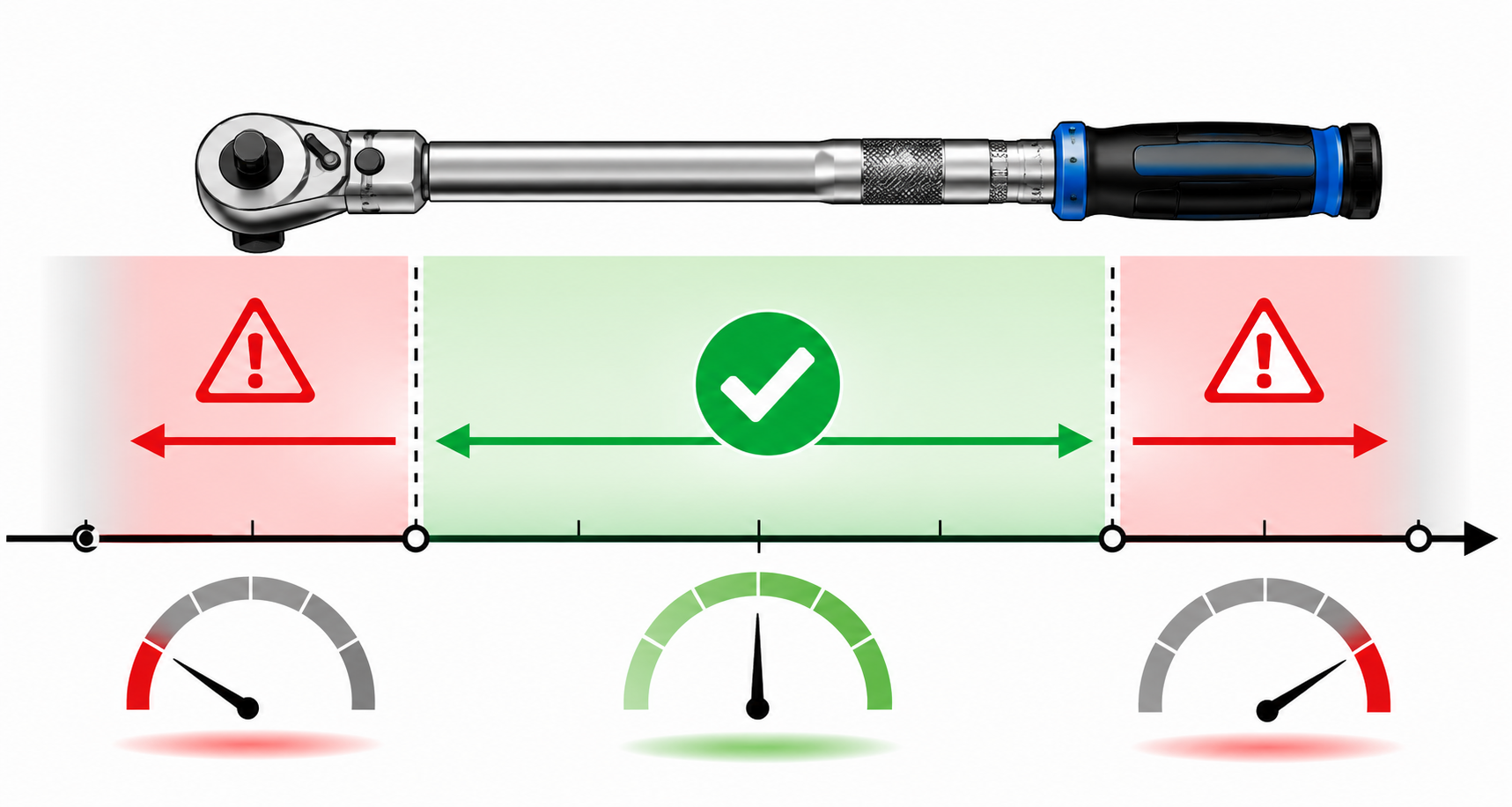
Every torque wrench has a specific range it is designed to measure. While a wrench might show numbers from 10 to 100, the "20-80 rule" tells us where that tool actually performs its best.
Why is the 20-80 rule critical for accuracy?
At the very bottom end of a scale (below 20%), the internal springs in a mechanical wrench are often not compressed enough to give a precise "click" or reading. Conversely, at the very top end (above 80%), the tool is working at its maximum stress, which can lead to fatigue or inaccuracies if the wrench is used repeatedly at that limit. By staying within the 20% to 80% middle zone, you ensure that the tool is operating in its "sweet spot," where the internal mechanism is most stable and consistent. This helps prevent accidental overtightening or undertightening of critical bolts.
How does tool calibration change based on this range?
Calibration is the process of checking a tool against a known standard to make sure it is accurate. When a torque wrench is calibrated, the lab technicians pay the most attention to this middle range because that is where the tool will spend most of its life. If you find yourself frequently using a wrench near the very bottom or top of its scale, it might be time to switch to a different tool size. Professionals carry multiple wrenches of different sizes so that no matter what bolt they are working on, they can always find one that allows them to work within that reliable 20-80% window.
What happens if you consistently work outside these limits?
Working outside the 20-80% rule introduces a higher margin of error. If you are constantly forcing a wrench to its maximum limit, you risk damaging the internal calibration, meaning the tool might start giving you "false" readings. If you use it at the very bottom, you might miss the signal that you have reached the target, leading to loose bolts. For companies that care about safety and long-term machine health, following this rule is an easy way to avoid unnecessary maintenance issues and ensure that every assembly step is performed with the high level of precision required for heavy industrial machines.
Best practices for selecting the right wrench
Since a single wrench cannot cover every bolt size, picking the right tool is the first step in successful assembly.
How do you choose the correct tool size for a job?
To pick the right wrench, look at the torque specification for the bolt you are tightening. If the target is 50 units, a wrench with a range of 10-100 is perfect because 50 falls right in the middle. If your target is only 15 units, that 10-100 wrench is a poor choice because it is too close to the bottom of the scale. In that case, a smaller wrench with a 5-30 range would be much safer and more accurate. Always aim to have your target torque sit as close to the center of the wrench’s range as possible.
Why is tool selection vital for industrial safety?
Industrial equipment often involves large flanges and high-pressure joints where every bolt must be tightened to an exact, uniform force. If a worker uses the wrong tool, they might accidentally apply 10% more or less force than required without realizing it. Over many bolts, this creates "imbalanced loading," where one side of a joint is under more stress than the other. This can cause leaks in pipe systems or cracks in metal frames. Using the right tool size ensures that the force applied is exactly what the engineer intended.
How does the condition of the tool affect the 20-80 rule?
Even if you are working within the 20-80% range, a damaged or dirty tool will still fail you. Torque wrenches are precision instruments; if they are dropped, stored incorrectly, or used to break loose stuck bolts (which they are not designed to do), their accuracy will degrade. A tool used for breaking bolts will likely lose its precision for tightening them later. Keeping your tools clean and storing them at their lowest setting (to relax the internal spring) helps maintain their accuracy for a longer time, ensuring they continue to provide reliable results.
The importance of precision in modern machinery
Modern machines are built to tighter tolerances than ever before, making precise fastening a requirement, not an option.
Why do manufacturers specify exact torque values?
Engineers calculate the exact force needed to keep a joint together while ensuring the metal does not stretch too far. These specifications are based on the strength of the bolt, the material it is fastening, and how much pressure the machine will face. If a mechanic ignores these numbers or uses an inaccurate tool, they are effectively ignoring the design safety of the machine. Precision fastening is the "hidden" factor that allows modern cars, planes, and power plants to run for years without needing major repairs.
How does digital technology improve torque measurement?
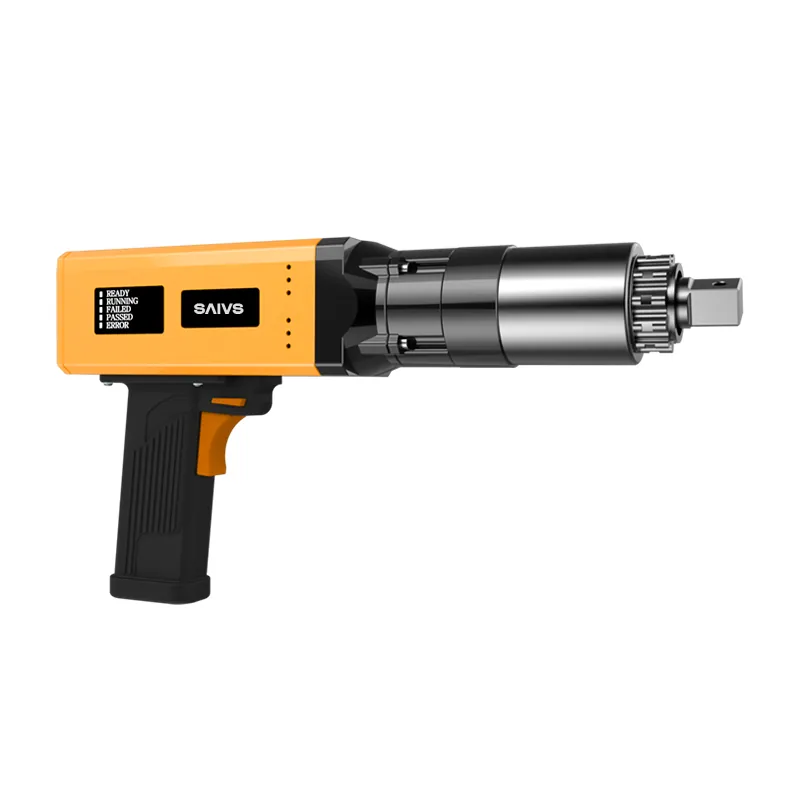
digital torque wrenches are becoming more popular because they take the guesswork out of the process. Instead of waiting for a manual "click," these tools show the actual torque value on a screen in real-time. Many digital tools can also be set to alert the user with a light or vibration as they get close to the target, helping them avoid going over. Because these tools are electronic, they are less dependent on mechanical springs and can maintain high accuracy across a wider portion of their range, often making the 20-80 rule less restrictive.
What are the benefits of using controlled fastening systems?
Controlled fastening systems, such as those used in large-scale assembly, use computers to manage the entire process. These systems can tighten multiple bolts at once and record the torque applied to every single one. This creates a "digital footprint" of the build, which proves that the job was done correctly. This level of control is essential in industries like energy and aerospace, where a single loose bolt can have serious consequences. It turns a manual, error-prone task into a reliable, automated step.
Maintaining accuracy in demanding environments
Industrial sites are rarely perfect, so taking extra steps to maintain accuracy is standard procedure.
How do environmental factors impact torque accuracy?
Extremely cold temperatures can make lubricants thicker and metal stiffer, which might affect how a tool feels and performs. Likewise, extreme heat can affect the internal mechanics of a torque wrench. When working in harsh environments, it is important to check your tools more frequently. Some tools are built specifically for outdoor or offshore use, featuring better seals to protect the internal parts from dust, salt, and moisture. Protecting your tools from the environment is just as important as choosing the right size.
Why should torque wrenches be stored at the lowest setting?
Mechanical torque wrenches use a spring that is compressed when you set the torque value. If you leave the wrench set at a high value while it sits in your toolbox, that spring stays compressed for days or weeks. Over time, this constant tension can cause the spring to "set" or lose its original tension, which will make the wrench inaccurate. Always winding the tool back to its lowest setting after you finish a job is the easiest way to make sure the spring stays in good shape for the next time you need it.
What should you do if you drop a torque wrench?
A dropped torque wrench should be treated as potentially inaccurate. Even if it looks fine on the outside, the internal components could have shifted or been knocked out of alignment. The safest thing to do is to take it out of service until it can be re-calibrated. Using a tool that you know has been dropped is a gamble, and in industrial assembly, gambling with safety is never the right choice. Proper care and regular maintenance are what keep these tools reliable for years of hard work.
Future trends in industrial fastening
As technology moves forward, the way we secure bolts is becoming smarter and more efficient.
What are the future advancements in torque control?
We are moving toward "connected" tools that can communicate with plant-wide networks. These tools can automatically download the torque requirements for a specific machine from a central server, ensuring that a technician can never use the wrong setting. This eliminates human error entirely. We are also seeing the development of more lightweight materials for the tools themselves, making it easier for workers to handle heavy-duty equipment without getting tired, which also leads to better work quality.
How are new materials changing the bolting industry?
New, high-strength alloys allow for smaller bolts to do the work of much larger, heavier ones. This changes the requirements for torque wrenches, as we need tools that can handle high loads while remaining compact. Additionally, self-lubricating bolt coatings are becoming more common, which reduces the friction problems we discussed earlier, making torque readings more consistent. These innovations are helping to make machines lighter, more efficient, and easier to maintain.
How does the industry stay committed to high standards?
The industry stays committed to safety through rigorous training and certification programs. Workers are taught not just how to turn a wrench, but the physics of why a bolt stays tight and how to recognize when a connection is compromised. By combining better technology with better training, companies ensure that the highest standards of safety are met in every facility, from small local shops to global manufacturing plants, all provided by the high-quality aftermarket support and solutions from companies like Saivs.