What is considered high pressure for hydraulics?
In industrial automation, heavy construction machinery, and fluid power systems, understanding pressure thresholds is critical for equipment safety and design efficiency. Many engineers and technicians often search for standard operating definitions when evaluating a high-pressure hydraulic pump or specifying components for demanding circuits. While "high pressure" can vary depending on the industry and the scale of the machinery, modern engineering generally classifies hydraulic pressures above 3,000 PSI (approx. 200 bar) as high pressure.
Achieving safe and reliable performance under intense operating conditions requires more than just robust hardware; it requires selecting components engineered to handle extreme stress without leaking or failing. By exploring standard pressure classifications, you can ensure your hydraulic circuits are properly designed for safety and efficiency.
Standard Hydraulic Pressure Classifications
Fluid power systems are typically divided into distinct pressure tiers based on their operational output and application requirements.
Low Pressure Systems: Basic Fluid Transfer
Low-pressure Hydraulic Systems generally operate below 500 PSI (35 bar). These circuits are commonly found in basic lubrication setups, simple cooling loops, or low-force fluid transfer applications. Because the mechanical stress on hoses, seals, and a standard hydraulic oil pump is relatively low, these systems often use lightweight materials and straightforward mechanical components while still providing reliable operation for light-duty tasks.
Medium Pressure Systems: Industrial Automation
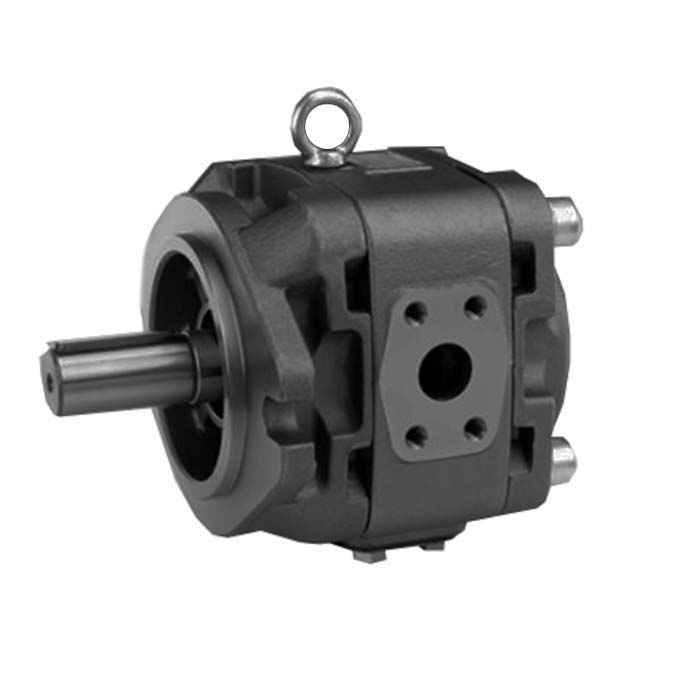
Medium-pressure systems range from 500 PSI to 3,000 PSI (35 to 200 bar). This is the most common operational range for standard factory machinery, hydraulic presses, material handling equipment, and mobile utility vehicles. Equipment operating in this tier strikes a balance between power density and component cost, utilizing durable gear and vane designs to maintain steady workflow efficiency.
High Pressure Systems: Heavy Machinery and Extreme Loads
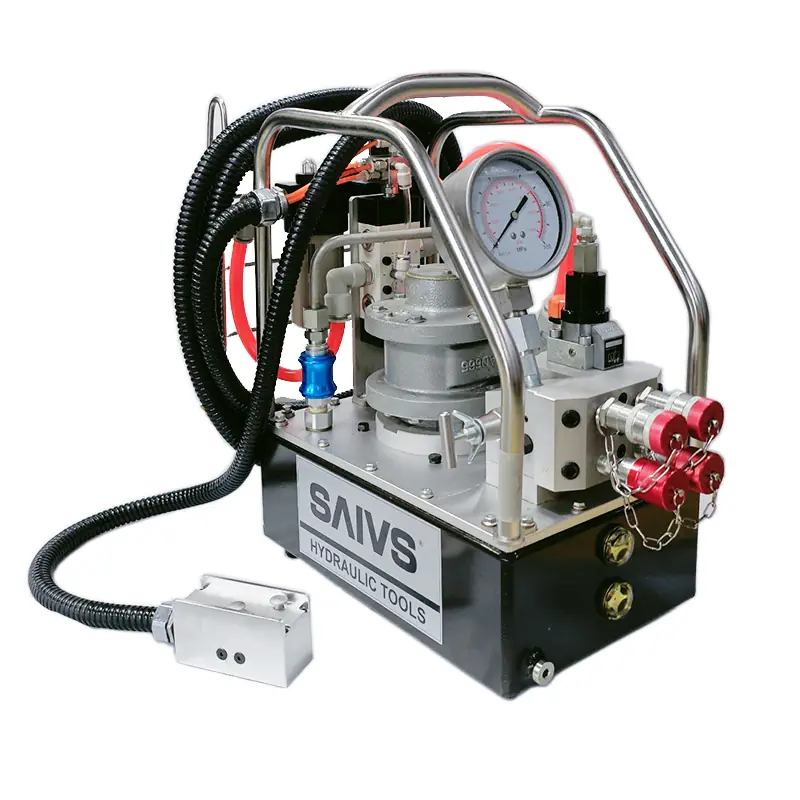
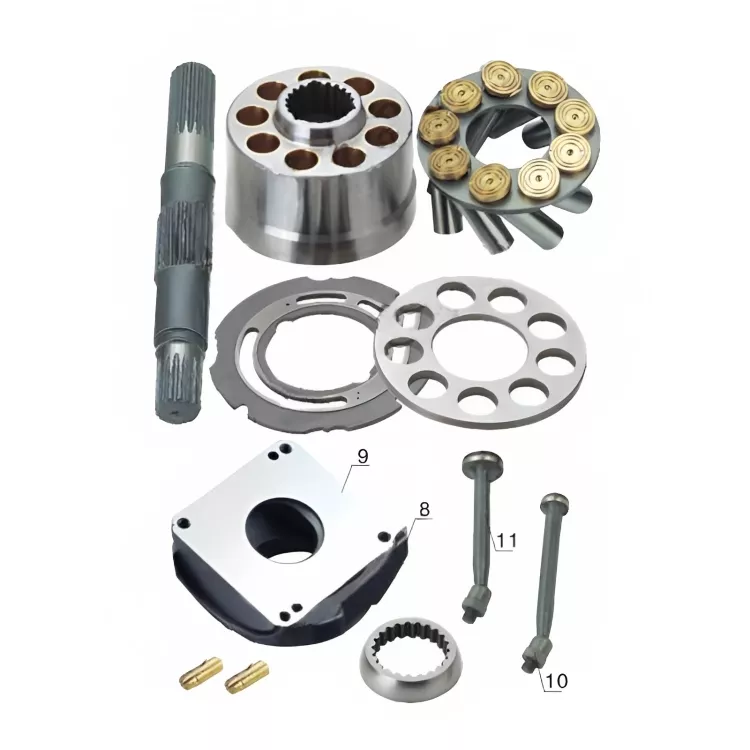
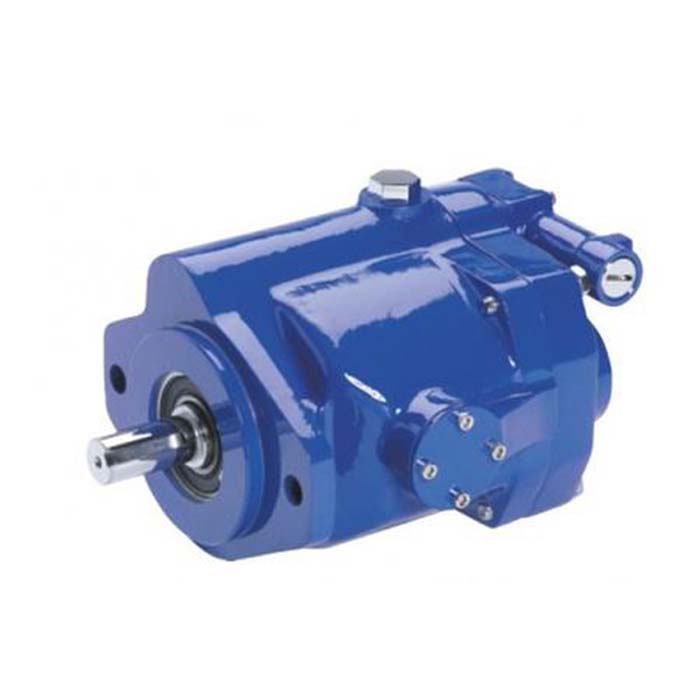
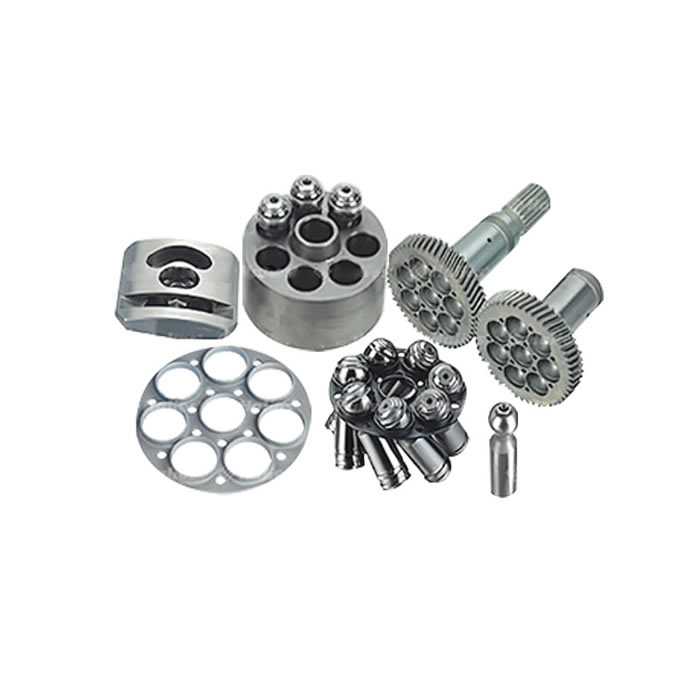
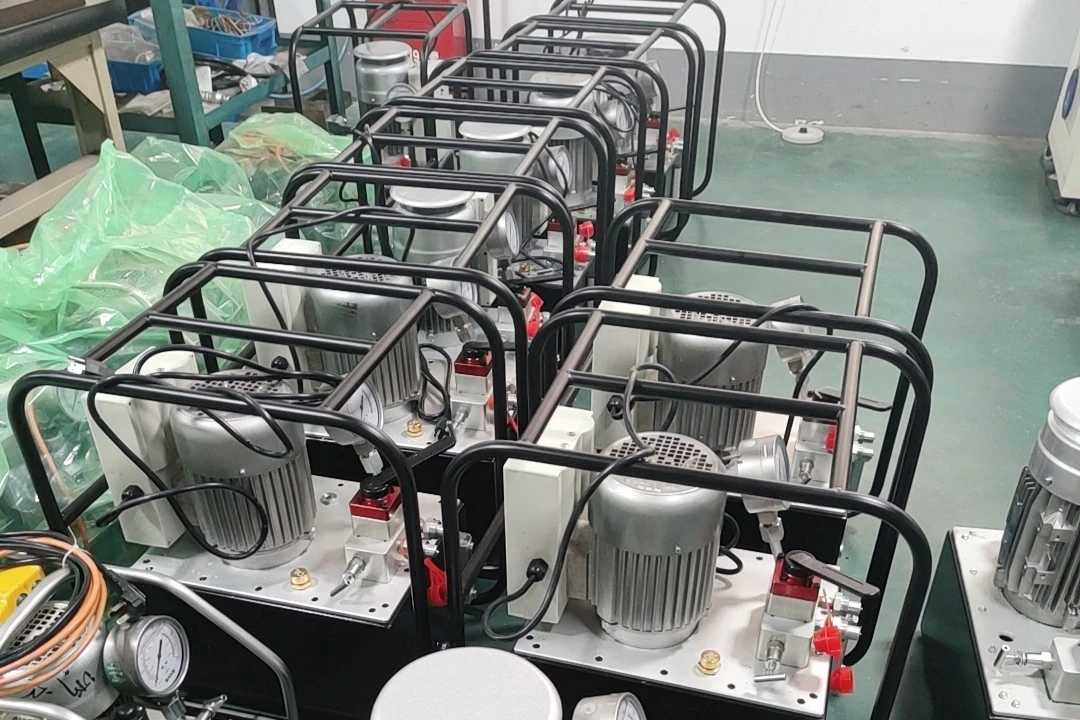
When operating pressures exceed 3,000 PSI and can scale up to 10,000 PSI (690 bar) or higher, systems enter the true high-pressure domain. These extreme pressures are required in heavy construction equipment, large stamping presses, aerospace actuators, and high-capacity electric hydraulic pump units used for specialized industrial tooling. Managing these forces requires heavy-duty hydraulic piston pump assemblies, thick-walled steel tubing, and specialized high-pressure seals to prevent catastrophic blowouts.
Factors That Influence High-Pressure System Design
Operating at elevated pressure thresholds introduces unique engineering challenges that demand careful planning and strict maintenance protocols.
Component Integrity and Safety Margins
In high-pressure environments, even a minor flaw in a hose, fitting, or pump housing can lead to dangerous fluid injection injuries or system failure. Engineers must select components with high burst-pressure safety margins. Utilizing a reliable variable displacement hydraulic pump or heavy-duty system components ensures that the hardware can withstand peak load spikes without exceeding its safe structural limits.
Heat Generation and Fluid Breakdown
As hydraulic pressure increases, internal fluid friction and volumetric slippage generate significant heat. If operating temperatures climb too high, oil viscosity breaks down, accelerating wear on internal pump parts and reducing system efficiency. Implementing proper cooling loops and maintaining clean, high-grade hydraulic fluid is essential for protecting high-pressure circuits.
Selecting the Right Equipment for the Job
Matching your equipment to your actual pressure requirements prevents both premature wear and unnecessary capital expenditure. Whether you are building a custom power unit or replacing an aging hydraulic pump, consulting system specifications ensures your machinery operates safely and efficiently within its intended parameters.
Achieving Excellence with Professional Equipment
Success in fluid power applications requires a commitment to quality hardware, precise engineering, and reliable manufacturing standards.
Engineering for Consistent Results
When operating high-pressure industrial systems, you need equipment designed for extreme durability and effortless serviceability. Robust pump housings, precise internal machining, and high-grade seals ensure reliable performance under continuous heavy loads. Saivs focuses on providing heavy-duty fluid power hardware that stands up to demanding industrial use, giving you dependable results every single time.
Expert Support for Your Hydraulic Needs
Selecting the ideal pump category or matching the correct system components to your application requires a clear understanding of fluid dynamics. If you need assistance with equipment selection, calibration, or maintenance procedures, consult with experts who understand industrial hydraulics. Professional guidance ensures that your hardware investments accurately protect your operational safety and efficiency.
Trusted Solutions for Industrial Excellence
For professionals demanding the best in fluid control and heavy machinery support, Saivs offers a comprehensive range of industrial equipment. Their commitment to engineering quality and reliability helps keep your operations running smoothly without unexpected interruptions. By choosing Saivs, you invest in durability, precision, and the long-term success of your industrial operations.