What Size Torque Wrench Do You Need for Tire Lug Nuts?
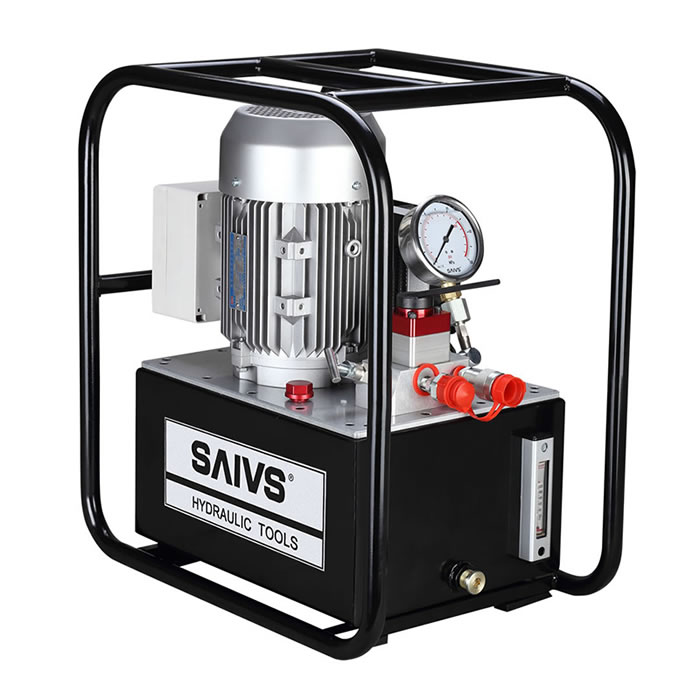
In automotive maintenance, tire service, and commercial fleet operations, tightening wheel lug nuts to exact factory specifications is critical for driver safety. Many car owners, mechanics, and technicians often ask: what size torque wrench do you need for tire lug nuts? For almost all passenger cars, SUVs, and light-duty pickup trucks, the ideal choice is a 1/2-inch drive torque wrench rated between 20 and 250 foot-pounds (ft-lbs)—often referred to in the industry as a car tire torque wrench. Using the right drive size and torque range ensures smooth, accurate tightening without straining the tool, stretching wheel studs, or warping brake rotors. Different vehicles require vastly different clamping forces depending on wheel stud diameter, hub design, and gross vehicle weight. Most standard passenger cars require lug nut torque between 75 and 100 ft-lbs (100 to 135 Nm). Best Tool Size: A 1/2-inch drive manual torque wrench with a torque range of 20–150 ft-lbs or 25–250 ft-lbs. Why 1/2-Inch Drive Works Best: While a 3/8-inch drive wrench may reach 80 or 100 ft-lbs, operating any torque wrench near the very top of its maximum range reduces mechanical leverage and shortens tool life. A 1/2-inch drive places typical passenger car torque ratings right in the middle of the wrench's most accurate sweet spot. Larger family SUVs and half-ton to one-ton pickup trucks use thicker wheel studs and heavier wheels, requiring 100 to 165 ft-lbs (135 to 225 Nm) of tightening force. Best Tool Size: A 1/2-inch drive manual torque wrench rated up to 250 ft-lbs with a long handle (typically 18 to 24 inches) to provide comfortable operator leverage. Commercial delivery trucks, buses, and Class 8 semi-trucks operate under massive axle loads, requiring 450 to 500+ ft-lbs (610 to 680+ Nm) on wheel hub fasteners. Best Tool Size: A 3/4-inch or 1-inch drive torque wrench, heavy-duty torque multiplier, or industrial Hydraulic Torque Wrench built for high-load commercial fleet maintenance. When selecting a wrench for wheel service, look beyond just the drive size to ensure accuracy and durability in the shop or garage. Micrometer Click Wrenches: The most popular choice for tire shops and DIY garages. You dial in your target torque on the handle, and the wrench emits an audible and tactile "click" when the setting is reached. Digital Torque Wrenches: Feature an LCD screen, LED alert lights, and audible beeps, making them easy to read in noisy workshops while offering high precision. Always pair your 1/2-inch drive wrench with deep-well 6-point sockets sized to your vehicle's lug nuts (commonly 17 mm, 19 mm, 21 mm, or 3/4-inch and 13/16-inch). Choosing sockets with protective outer nylon sleeves prevents scratching expensive alloy wheels during tightening. Even with the best torque wrench, proper technique is essential to keep wheels secure on the road: Hand-Thread First: Always start lug nuts by hand for several full turns to prevent cross-threading before touching them with any wrench. Tighten in a Star (Criss-Cross) Pattern: Tighten lug nuts in an alternating star sequence so the wheel seats flat and evenly against the hub face. Never Lubricate Wheel Studs: Unless explicitly stated by the vehicle manufacturer, keep wheel studs and lug nut seats clean and dry. Oil or anti-seize lowers friction and causes accidental over-torquing. Never Use a Torque Wrench to Loosen: Use a standard breaker bar to break rusted or tight lug nuts loose—reserving your torque wrench strictly for final tightening preserves its internal calibration. Reset the Scale After Use: Dial a click-type wrench back to its lowest setting before storing it in its protective case to prevent spring fatigue. Success in automotive and industrial maintenance relies on selecting robust tools engineered for accuracy and long-term durability. When securing critical wheel assemblies, suspension components, or heavy machinery, you need fastening tools built to deliver repeatable accuracy under demanding shop conditions. Precision internal mechanisms, ergonomic handles, and clear scale markings help technicians achieve exact specifications every single time. Saivs focuses on providing dependable bolting and fluid power solutions—from manual torque wrenches to heavy-duty Hydraulic torque wrenches, Hydraulic Cylinders, and Hydraulic pumps—designed for reliable performance across automotive and industrial environments. Selecting the right drive size, matching torque ranges to your fleet, or setting up routine calibration schedules requires a clear understanding of mechanical standards. If you need assistance choosing precision torque tools or heavy bolting hardware, consult with experts who understand industrial and automotive fastening. For professionals who demand accuracy, durability, and consistent performance on every job, Saivs offers a comprehensive lineup of industrial tools and equipment. With a commitment to practical engineering and reliable quality, Saivs helps keep your maintenance operations safe and efficient.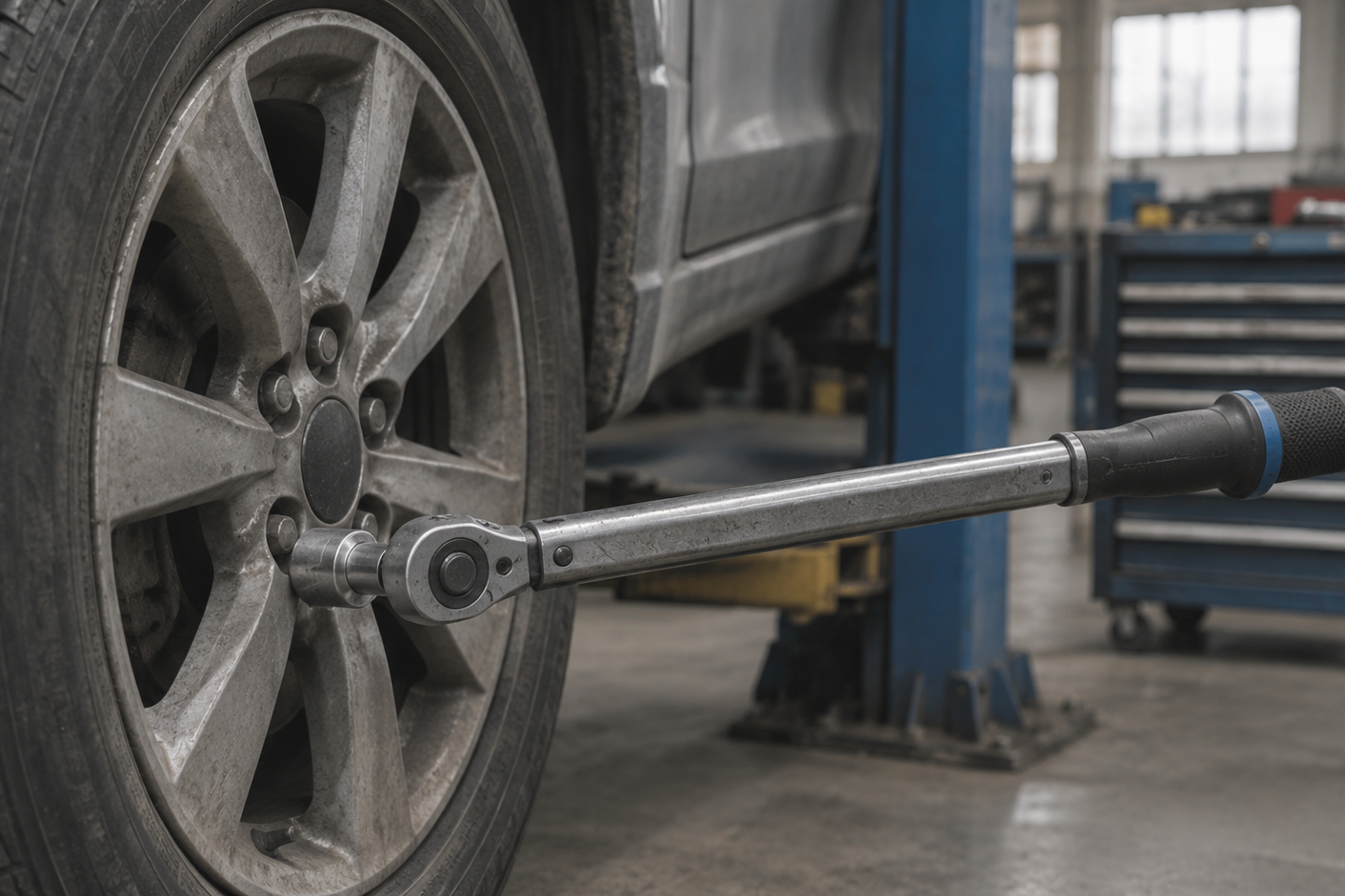
Recommended Torque Wrench Sizes by Vehicle Type
1. Passenger Cars, Sedans, and Compact Crossovers
2. SUVs, Minivans, and Light-Duty Pickup Trucks
3. Heavy-Duty Commercial Trucks and Semi-Trailers
Key Features to Look for in a Tire Torque Wrench
Click-Type vs. digital torque wrenches
Deep Non-Marring Impact Sockets
Best Practices for Torquing Tire Lug Nuts
Achieving Excellence with Professional Equipment
Engineering for Consistent Results
Expert Support for Your Tooling Needs
Trusted Solutions for Industrial Excellence