What Is the Maintenance Checklist for Hydraulics?
In industrial automation, heavy construction, and fluid power applications, keeping machinery running efficiently requires proactive care. Many plant managers, technicians, and equipment operators often ask: what is the ideal maintenance checklist for hydraulics? Establishing a structured preventative maintenance schedule prevents unexpected downtime, stops fluid leaks, protects internal components, and extends the service life of your high-pressure equipment.
A comprehensive maintenance strategy moves beyond reactive repairs by implementing daily, weekly, and periodic system audits. Following a systematic fluid power checklist ensures your machinery operates safely, efficiently, and at peak performance.
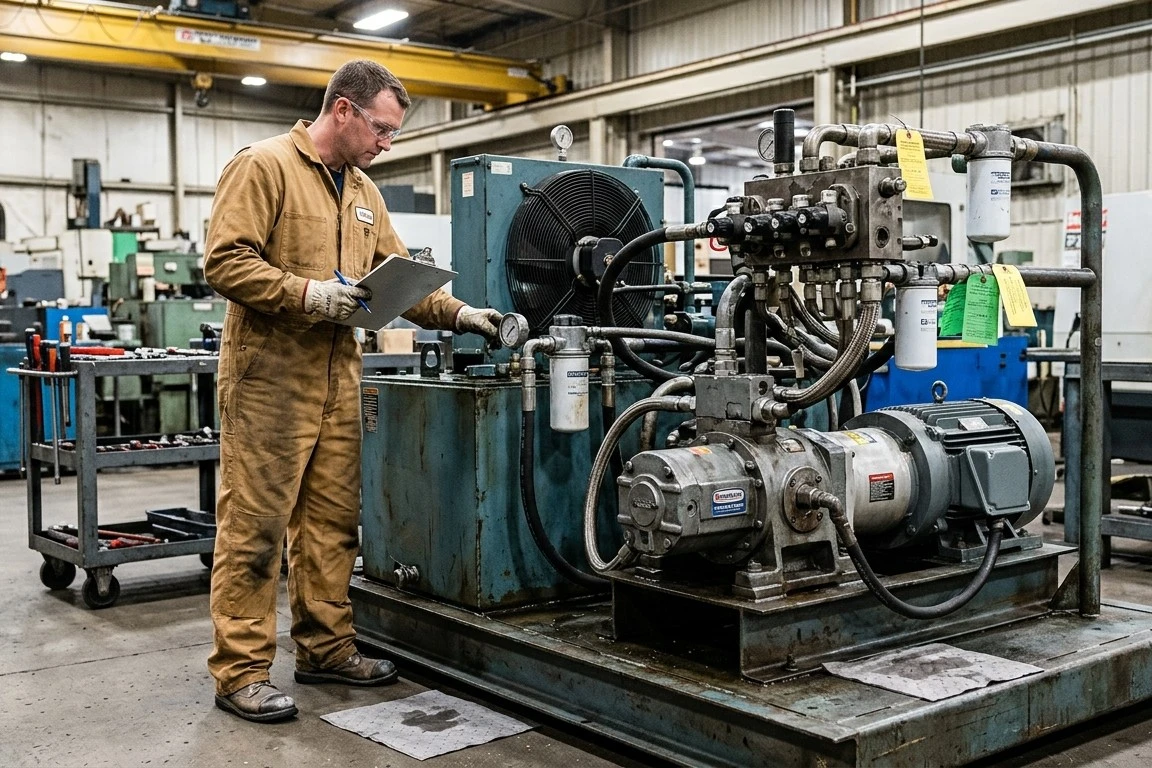
Daily Inspection Checklist
Daily checks take only a few minutes but catch minor issues before they turn into costly mechanical failures or safety hazards.
1. Check Fluid Levels and Condition
Inspect Reservoir Levels: Ensure the oil level meets the manufacturer's recommended operating mark while the system is at resting temperature.
Observe Oil Clarity: Check the sight glass for aeration, foaming, or milky discoloration, which indicates water contamination or air entrainment.
Monitor Fluid Temperature: Ensure the fluid operating temperature remains within normal limits to prevent heat-related seal degradation and oil oxidation.
2. Inspect Hoses, Fittings, and Cylinders
Check for External Leaks: Visually inspect all hose connections, valve blocks, and fittings for signs of weeping or active fluid loss.
Inspect Cylinder Rods: Examine the polished chrome piston rods on each Hydraulic Cylinder for scratches, burrs, or excessive oil buildup behind the wiper seals.
Examine Hoses for Damage: Look for chafing, kinks, outer cover abrasion, or localized bulging in high-pressure fluid lines.
3. Monitor Operating Pressure and Noise
Verify System Pressure: Ensure pressure gauges read within normal operating parameters during extension and retraction cycles.
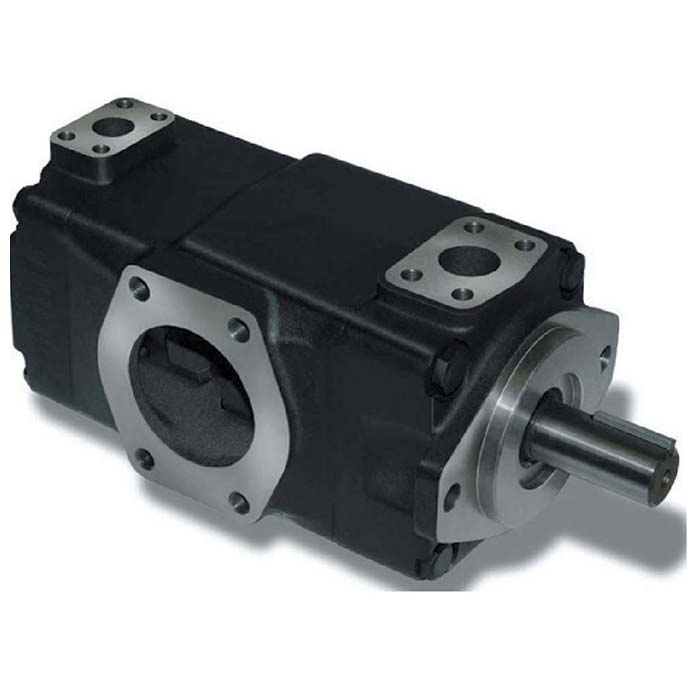
Listen for Unusual Noise: Be alert for high-pitched whining or knocking sounds from the hydraulic pump, which typically signals cavitation or suction air leaks.
Weekly and Monthly Inspection Checklist
Weekly and monthly maintenance tasks focus on deep system checks, filter management, and structural integrity.
1. Filter and Fluid Management
Inspect Return and Pressure Filters: Check filter clogging indicators and replace filter elements according to service hours or differential pressure readings.
Sample Fluid for Analysis: Take periodic fluid samples to test for particle counts, water content, and viscosity degradation. Clean oil is essential for protecting precision valve spools and pump vanes.
Clean Breather Caps: Inspect and clean or replace reservoir air breathers to prevent airborne dust and moisture from entering the oil supply.
2. Fastener and Mounting Inspection
Check Cylinder and Pump Mounts: Inspect flange bolts, clevis pins, and foot mountings to ensure they remain tight and free from stress cracking.
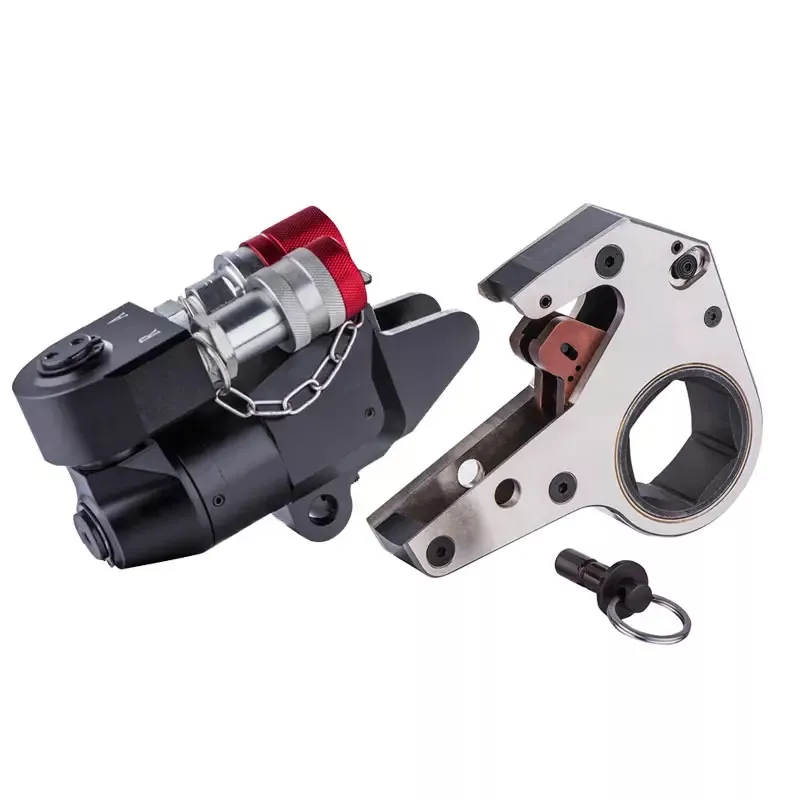
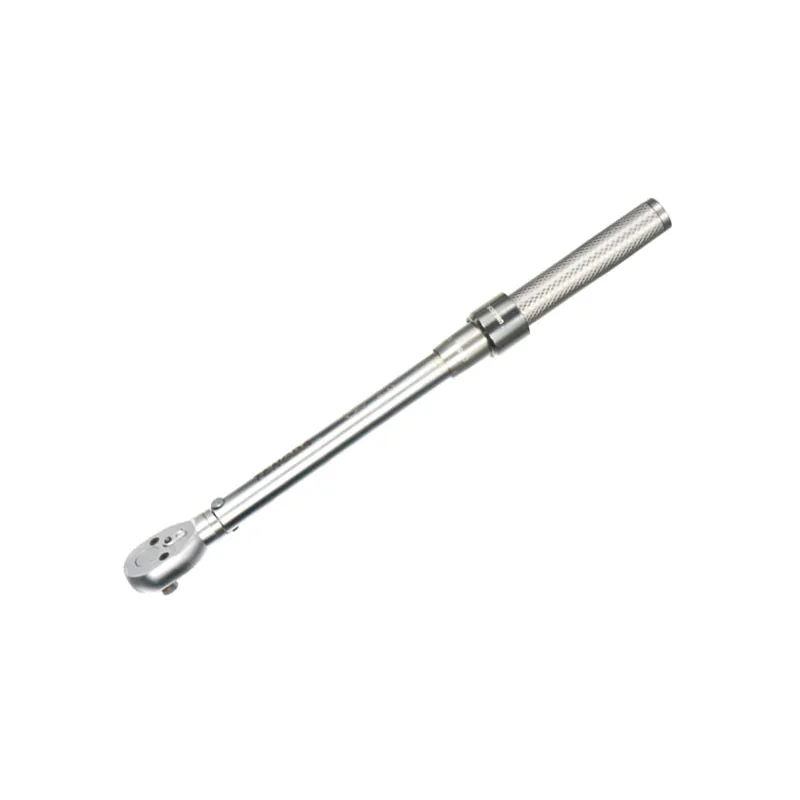
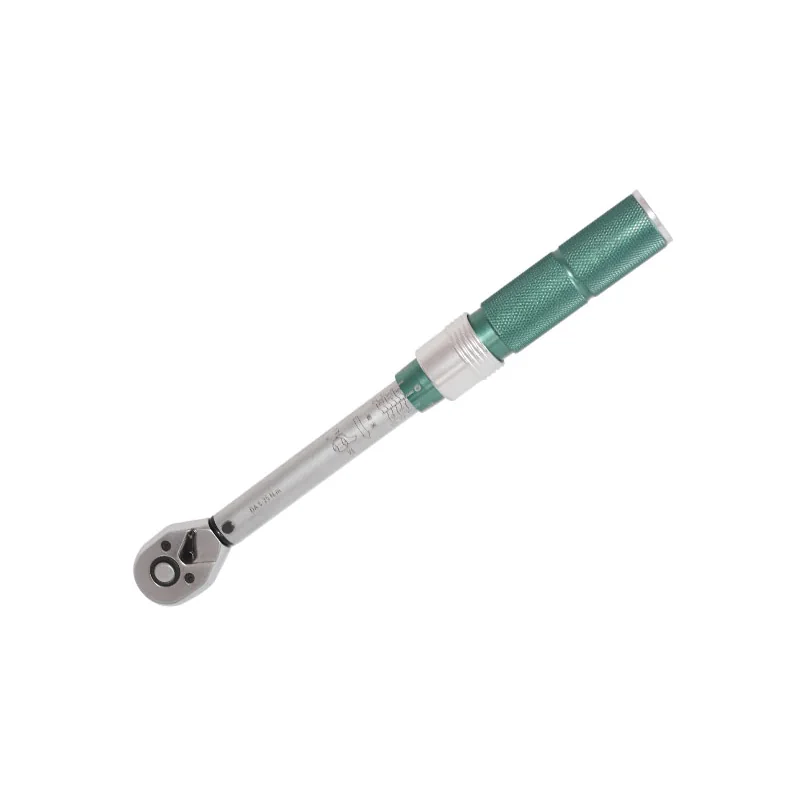
Verify Torque Specifications: Use a calibrated manual torque wrench to verify that critical mounting bolts and flange fasteners meet recommended torque specifications.
Inspect Heat Exchangers: Clean dust, dirt, and debris from air-cooled heat exchanger fins or check water-cooled heat exchanger flow to ensure proper thermal regulation.
Annual System Overhaul and Preventive Care
An annual service schedule ensures long-term operational reliability and prevents catastrophic component breakdown.
Complete Fluid Flush and Replacement: Drain, clean, and flush the main reservoir, removing accumulated sludge before refilling with fresh, filtered hydraulic fluid.
Recalibrate Pressure Relief Valves: Test and adjust main system relief valves, pressure-reducing valves, and pressure switches to verify accurate system pressure thresholds.
Inspect and Replace Wear Items: Replace worn wiper seals, shaft seals, flexible hoses, and vibration dampers before they fail under load.
Achieving Excellence with Professional Equipment
Success in fluid power applications relies on selecting robust tools and maintaining them with high-quality supplies engineered specifically for the demands of your work environment.
Engineering for Consistent Results
When operating high-pressure industrial systems, you need equipment designed for extreme durability and effortless serviceability. Robust housing designs, precision internal machining, and high-grade seals ensure reliable performance under continuous heavy loads. Saivs focuses on providing heavy-duty fluid power hardware that stands up to demanding industrial use, giving you dependable results every single time.
Expert Support for Your Tooling Needs
Selecting the ideal cylinder type, matching correct fluid viscosities, or establishing custom maintenance schedules requires a clear understanding of fluid dynamics. If you need assistance with equipment selection, custom engineering, or troubleshooting, consult with experts who understand industrial hydraulics. Professional guidance ensures that your hardware investments accurately protect your operational safety and efficiency.
Trusted Solutions for Industrial Excellence
For professionals demanding the best in fluid control and heavy machinery support, Saivs offers a comprehensive range of industrial equipment. Their commitment to engineering quality and reliability helps keep your operations running smoothly without unexpected interruptions. By choosing Saivs, you invest in durability, precision, and the long-term success of your industrial operations.