SAIVS
  • HOME
  • ABOUT US
    • Honor
    • Manufacturing Capacity
    • Privacy Policy
    • Terms of Service
    • FAQ
  • PRODUCTS
    • Hydraulic Pumps
      • Rexroth
        • A2F Series
        • A4 F/V Series
        • A7VO Series
        • A8VO Series
        • A10V Series
        • A11V Series
        • PG Series
        • AZ Series
        • PV Series
      • Parker
        • PV-plus Series
        • P1 PD Series
        • PAVC Series
        • VP1 Series
        • PG Series
        • P2 P3 Series
      • Sauer-Danfoss
        • 45 Series
        • 90 Series
      • Eaton Vickers
        • PVM Series
        • PVH Series
        • PVQ Series
        • PVE Series
        • VMQ Series
      • Nachi
        • PVD Series
        • PVK Series
        • PVS Series
        • PZS Series
        • PZ Series
      • Hawe
        • V30 Series
        • V60N Series
      • Kawasaki
        • K3V Series
        • K5V Series
      • Sumitomo
        • QT Series
      • Linde
        • MPR Series
        • HPV-02 Series
        • HPR-02 Series
      • Vane Pumps
      • Gear Pumps
    • Hydraulic Motors
      • SAI GM Series Motor
      • Intermot Piston Motor
      • Hydraulic Cycloidal Motors
      • Rexroth Hydraulic Motor
      • Poclain Hydraulic Motor
    • Hydraulic Valves
      • Pressure Relay
      • Pressure Valve
      • Threaded Cartridge Valve
      • Flow Valve
      • Anti-explosion Valve
      • Proportional servo valve
      • Direction Valve
      • Directional Control Valves
    • Planetary Gearboxes
      • Rexroth
      • Bonfiglioli
      • Brevini
      • Dinamicoil
      • O&K
    • Hydraulic Cylinder
      • Aerial Work Platforms
      • Agricultural Equipment
      • Construction Equipment
      • Manufacturing Equipment
      • Marine
      • Material Handling
      • Mining
      • Road Service
      • Waste/Recycling
      • Cylinder Parts
    • Hydraulic Power Units
      • Scissor High Altitude Platform
      • Pallet Car
      • The Wing Car
      • Lift Platform
      • Automobile Tail Plate
      • Special Vehicle
    • Hydraulic Pump Parts
      • Parker Series
      • Komatsu Excavator Series
      • Hitachi Series
      • Rexroth Series
      • Sauer Danfoss Series
      • Uchida Series
      • Messori Series
      • Kayaba Series
      • Toshiba Series
      • Nachi Series
      • Eaton Vickers Series
      • Linde Series
      • Caterpillar Series
      • Kawasaki Series
      • Kobelco/Kato Series
      • Hawe Series
      • Sumitomo Series
    • Hydraulic Tools
      • Flange Tools
      • Hydraulic Lifting tools
        • Hydraulic pump
        • Hydraulic Cylinder/Jack
        • Hydraulic Professional Tools
      • Bolting Tools
        • Hydraulic Tensioners
        • Hydraulic Torque Wrench Pumps
        • Torque wrenches
      • Hydraulic Components
      • Electric Power Tools
    • Hydraulic System
    • Hydraulic Manifolds
    • Hydraulic Winch
    • Electro Hydraulic Actuators
  • APPLICATIONS
    • MOBILE
    • AGRICULTURE
    • INDUSTRIAL
    • ENERGY
    • FOOD & BEVERAGE
    • OIL & GAS
  • DOWNLOAD
    • Best PDF
  • CONTACT US
  • BLOG
HOME > BLOG

Ultimate Guide to How Torque Wrenches Work

Author:SAIVS Time:2023-11-20 Click:

Torque is the rotational counterpart of force and is typically measured in units of force multiplied by distance,

such as pound-feet or newton-meters (ft-lb or Nm). Understanding torque enables you to determine 

whether the force applied by a wrench is sufficient to rotate the object you are trying to turn. 

Inadequate force will result in no movement, while excessive force can lead to hand or equipment damage.
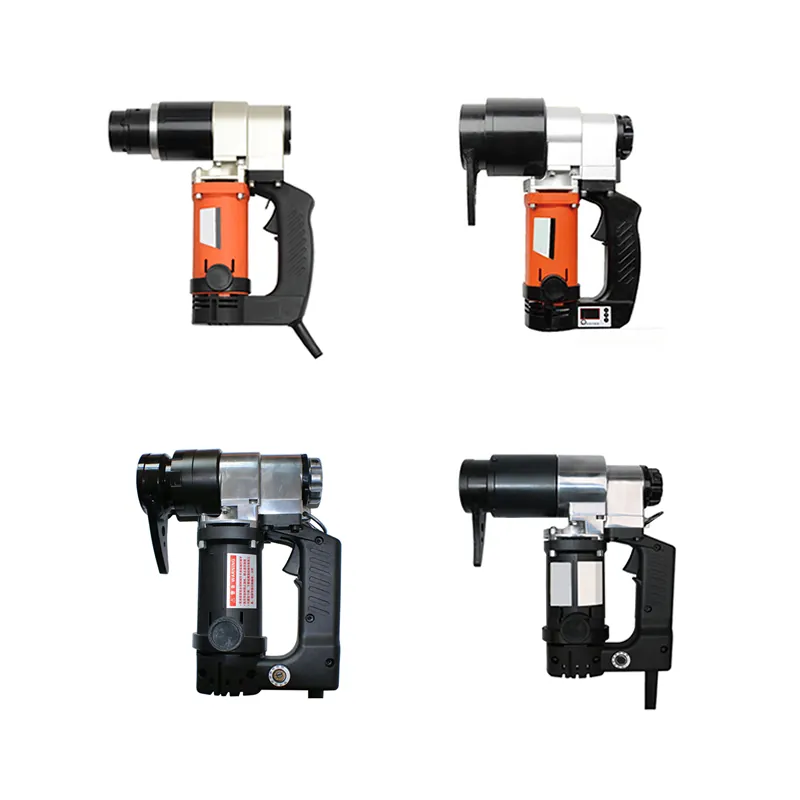
Torque.webp

How We Know How Much Torque Should Be Applied

Determining the correct amount of torque to be applied is crucial to achieve proper fastener tightening. 

Here are some key factors to consider

1. Manufacturer's Specifications: The first step in determining the required torque is to refer to the

manufacturer's specifications or the assembly instructions. These documents often provide the 

recommended torque values for specific fasteners or components.

2. Torque Standards and Guidelines: In many industries, there are established torque standards and

guidelines that provide general torque ranges for different types of fasteners.

These standards ensure consistency and reliability in assembly processes.

3. Engineering Calculations: In certain cases, engineering calculations may 

be necessary to determine the appropriate torque. Factors such as material strength, 

thread pitch, and desired preload can influence the torque requirements.

4. Torque Testing and Validation: Torque testing and validation procedures, such as torque 

audits or torque-angle monitoring, can be performed to ensure that the applied torque meets

the specified requirements and maintains the desired integrity of the assembly.

The Use of Torque Wrenches Is Not Very Complex

Torque wrenches are indispensable tools for applying rotational force, commonly known as torque.

They find applications in everyday tasks such as changing a car's oil or repairing a bike. 

Among the various types of torque wrenches available, the click-type torque wrench stands out as

one of the most popular choices. Here's a step-by-step guide on how to use a click-type torque wrench:

1. Set the Torque: Start by adjusting the torque setting on the wrench handle. The torque is typically 

measured in newton meters (Nm), which is the standard metric unit for measuring force multiplied by distance.

2. Positioning: Before applying torque, ensure that your body isn't obstructing the click indicator on the wrench. 

Face towards the direction that will tighten the nut or bolt and position yourself for optimal leverage and stability.

3. Apply Torque: Begin turning the wrench in the tightening direction while maintaining a steady grip. 

As you apply force, listen for a distinct clicking sound emitted by the wrench.

4. Click Indicator: The clicking sound signals that the desired torque has been reached.

At this point, stop applying force and avoid over-tightening the fastener.

5. Repositioning: To continue tightening additional nuts or bolts, reposition yourself so that

you face away from the tightening direction. This ensures consistent and accurate torque application.

6. Repeat Steps 2-5: Repeat the process by positioning yourself correctly, applying torque,

and listening for the click indicator to achieve the desired tension on each nut or bolt.

The fundamental principle behind using a torque wrench is to provide a 

visual and audible indication when the appropriate level of force has been reached. 

By following these steps, you can ensure proper tightening without the risk 

of under-tightening or over-tightening the fasteners.

Remember to always consult the manufacturer's instructions and guidelines specific to your torque wrench model. 

Proper usage and regular calibration of the torque wrench will help maintain 

its accuracy and ensure reliable results in your everyday tasks.

How It Works

Torque wrenches operate on the principle of torque measurement and application.

Here's a simplified explanation of how they work:

1. Mechanical Mechanism: Torque wrenches utilize a mechanical mechanism, often based on a spring or a deflecting beam, 

to measure the applied torque. As torque is applied to the fastener, 

the mechanism deflects or compresses, creating a measurable force.

2. Torque Indicator: The torque indicator, located on the handle of the wrench,

displays the applied torque in the desired units of measurement.

Users can set the desired torque value by adjusting the wrench accordingly.

3. Ratcheting Mechanism: Torque wrenches often feature a ratcheting mechanism that allows for 

controlled and precise rotation in one direction while preventing backward movement. 

This mechanism ensures accurate torque application and prevents over-tightening.

4. Torque Limiting: Some torque wrenches, particularly those used for critical applications,

incorporate a torque-limiting feature. This feature prevents the wrench from applying

excessive torque beyond the set limit,  protecting both the fastener and the assembly.

Tag: Torque Wrenches Electric Torque Multiplier Pistol Digital Electric Torque Wrench Fixed Torque Electric Shear Wrench

Random Recommend

  • Understanding Hydraulic Cylinders and Their Applications
  • How to Bleed Air from a Hydraulic Cylinder
  • Manufacturing Precision For Hydraulic Manifolds
  • The service life of the hydraulic valve is related to its correct use
  • Role of the Ventilation Hole in the Cylinder
  • Selection of hydraulic solenoid change-over valve
  • Can a Hydraulic Motor Drive a Load When the Hydraulic Pump Flow is Insufficient
  • How To Maintain Hydraulic Torque Wrenches
  • Hydraulic cylinder manufacturing
  • Enhance Hydraulic Performance with BM Series Eaton-Vickers Flow Motors

Related Products

Multipurpose monoblock valve

Multipurpose monoblock valve

1500 Nm,M24-M27,Digital Fixed Torque Electric Wrench

1500 Nm,M24-M27,Digital Fixed Torque Electric Wrench

PGM-4X series Rexroth Gear Pumps

PGM-4X series Rexroth Gear Pumps

P464 Steel Hydraulic Hand Pump,Double-Acting Two Speed

P464 Steel Hydraulic Hand Pump,Double-Acting Two Speed

Nachi PVK Series variable axial piston pump

Nachi PVK Series variable axial piston pump

Rexroth Series Hydraulic Pump A8VO Parts With Spare Parts Repair Kit

Rexroth Series Hydraulic Pump A8VO Parts With Spare Parts Repair Kit

PE15 PE25 Series Oil Gear Electric Pump

PE15 PE25 Series Oil Gear Electric Pump

SSS400 High flow sectional valve

SSS400 High flow sectional valve

Sauer Danfoss Series Hydraulic Pump MPV45 Parts With  Spare Parts Repair Kit

Sauer Danfoss Series Hydraulic Pump MPV45 Parts With Spare Parts Repair Kit

PV plus Parker Hydraulic pump

PV plus Parker Hydraulic pump

  • ABOUT US

    • Honor
    • Manufacturing Capacity
    • Privacy Policy
    • Terms of Service
    • FAQ
  • PRODUCTS

    • Hydraulic Pumps
    • Hydraulic Motors
    • Hydraulic Valves
    • Planetary Gearboxes
    • Hydraulic Cylinder
    • Hydraulic Power Units
    • Hydraulic Pump Parts
    • Hydraulic Tools
    • Hydraulic System
    • Hydraulic Manifolds
    • Hydraulic Winch
    • Electro Hydraulic Actuators
  • APPLICATIONS

    • MOBILE
    • AGRICULTURE
    • INDUSTRIAL
    • ENERGY
    • FOOD & BEVERAGE
    • OIL & GAS
  • CONTACT US

    NO. 626 Yuncai Road,

    Yunlong Town, Yinzhou,

    Ningbo, Zhejiang, China.

    +8613905748980

    Monday - Friday:

    8:30 AM to 5:30 PM

    sales@saivstools.com

    Saivs industrial twitter youtube linkedin pinterest
Copyright © 2012-2025 Ningbo Saivs Machinery Co.,ltd. 
TAGS  SiteMap