Should you lubricate bolts before torquing?
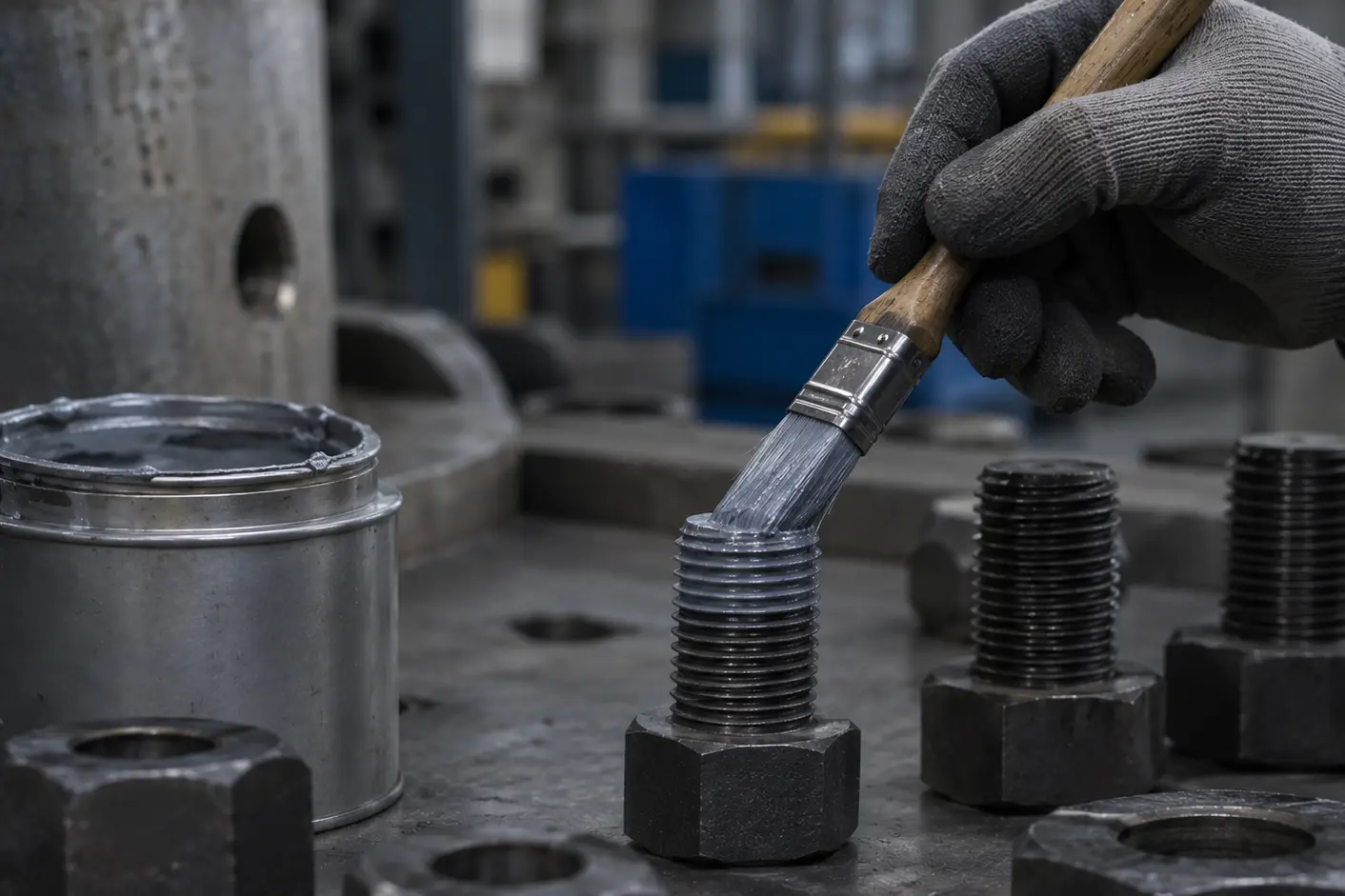
In automotive repair, industrial assembly, and heavy construction, achieving precise fastener clamp load is vital for structural safety. Many technicians, mechanics, and engineers often ask: should you lubricate bolts before torquing? The short answer is yes, very often you should—but only when specified by engineering guidelines, and using the exact type and amount of lubricant required.
Understanding how thread friction affects clamping force allows maintenance teams to avoid undertightening, prevent thread galling, and ensure that every bolted joint holds securely under extreme operational loads.
The Role of Friction in Bolt Torquing
To understand why lubrication matters, it helps to look at where your tightening effort actually goes when you use a manual torque wrench or heavy-duty bolting tool.
Where Does the Torque Go?
When you tighten a lubricated or dry fastener, roughly 90% of the applied torque is wasted overcoming friction—specifically thread friction and head friction under the nut or bolt flange. Only about 10% of your effort actually stretches the bolt axially to create the vital clamping force (preload) that holds the joint together.
The Problem with Dry Threads
If you torque a dry, unlubricated bolt, high surface friction builds up rapidly between the mating threads. This premature resistance tricks your torque wrench into clicking early. Even though your wrench reads the correct target number, high friction has absorbed most of the energy, leaving the bolt severely undertightened and prone to vibrating loose.
When You Should Lubricate Bolts
Lubricating fasteners is standard practice in many engineering applications, provided specific conditions are met.
1. High-Temperature and Corrosive Environments
In exhaust systems, power plants, and industrial refineries, extreme heat causes unprotected steel threads to fuse together permanently (galling). Applying high-temperature anti-seize lubricant or specialized paste prevents metal-to-metal bonding, ensuring the bolts can still be disassembled during future maintenance.
2. Large Industrial Fasteners and Structural Flanges
When tightening large-diameter bolts on pressure vessels, pipeline flanges, or heavy machinery, manufacturers frequently mandate thread lubricants (such as Moly paste or graphite compounds). Lubrication creates a consistent, predictable friction coefficient, ensuring that every bolt in a multi-bolt pattern achieves an even, uniform clamp load.
3. Preventing Galling in Stainless Steel and Aluminum
Softer metals like stainless steel and aluminum are highly susceptible to thread galling—where friction strips the metal threads apart during tightening. A light coat of approved lubricant drastically reduces friction and protects the threads from shredding.
When You Should NOT Lubricate Bolts
Despite the benefits of reducing friction, there are critical situations where lubrication is strictly prohibited.
1. Wheel Lug Nuts on Passenger Vehicles
Most automotive manufacturers explicitly state that wheel lug nuts and studs must be installed completely clean and dry. Applying grease, oil, or anti-seize to wheel studs drastically lowers thread friction, causing technicians to unknowingly overtighten the lug nuts. This can stretch the wheel studs beyond their yield point, warp brake rotors, or cause wheels to loosen while driving.
2. Pre-Applied Locking Patches (Nylok or Microencapsulated)
Many modern bolts come from the factory with pre-applied nylon patches, locking pellets, or microencapsulated thread-locker adhesives. Adding external grease or oil to these fasteners ruins the chemical or mechanical locking properties designed to resist vibration loosening.
3. When Torque Specifications Are Dry-Only
Always check the manufacturer's engineering manual. If a torque specification is calculated strictly for dry threads, adding lubricant will cause dangerous over-torquing and potential bolt failure.
Best Practices for Applying Lubricants
If your engineering documentation requires thread lubrication, follow these expert rules for safe assembly:
Use the Specified Compound: Never substitute random motor oil for specialized anti-seize or molybdenum disulfide grease unless approved by engineering specs. Different compounds yield radically different friction coefficients.
Adjust Torque Values If Necessary: Because lubricants reduce friction, many manufacturers provide a "lubricated torque specification" that is 15% to 30% lower than the dry spec to prevent over-stretching the bolt.
Apply Sparingly: A thin, uniform film covering the engaged threads is all that is required. Excess lubricant can pool in blind tapped holes, creating a hydraulic lock that prevents the bolt from seating fully.
Achieving Excellence with Professional Equipment
Success in industrial assembly and automotive maintenance relies on selecting robust tools and maintaining them properly for the demands of your work environment.
Engineering for Consistent Results
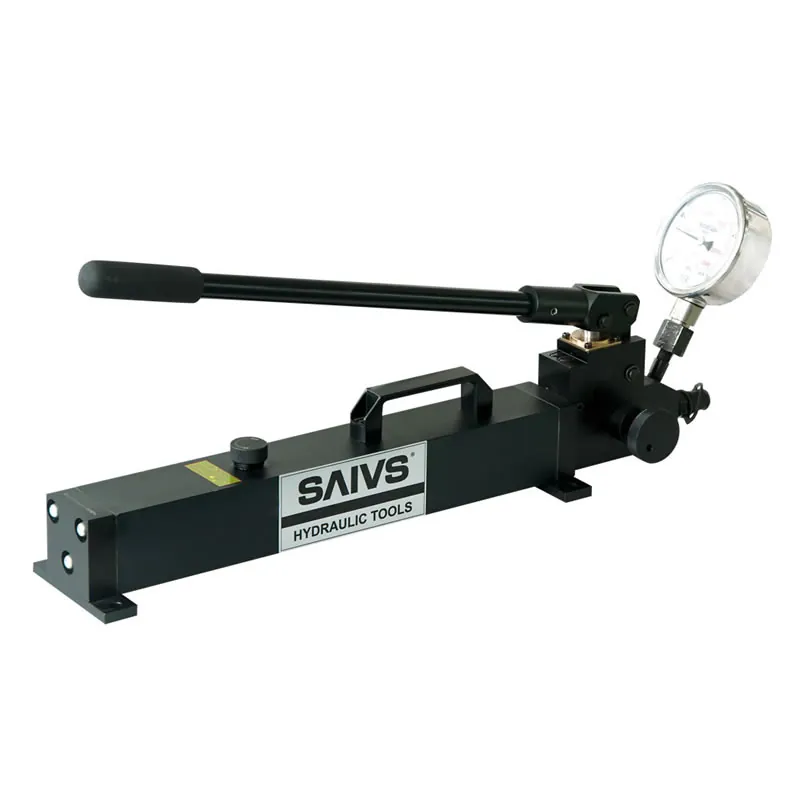
When assembling critical machinery, automotive drivetrains, or structural flanges, you need measurement tools designed for extreme durability and reliable accuracy. Precision-machined internal components, sealed ratchet heads, and clear scale markings ensure consistent performance under continuous heavy use. Saivs focuses on providing high-grade bolting solutions—from manual torque wrenches to advanced Hydraulic Torque Wrenches and Hydraulic pumps—that stand up to demanding industrial environments, giving you dependable results every single time.
Expert Support for Your Tooling Needs
Selecting the ideal torque instrument, establishing proper lubrication protocols, or managing annual calibration schedules requires a clear understanding of mechanical dynamics. If you need assistance with equipment selection, maintenance best practices, or industrial bolting procedures, consult with experts who understand precision tooling. Professional guidance ensures that your hardware investments protect your operational safety and efficiency.
Trusted Solutions for Industrial Excellence
For professionals demanding the best in measurement and assembly, Saivs offers a comprehensive range of industrial equipment. Their commitment to engineering quality and reliability helps keep projects on track and within strict specifications. By choosing Saivs, you invest in precision, durability, and the long-term success of your industrial operations.