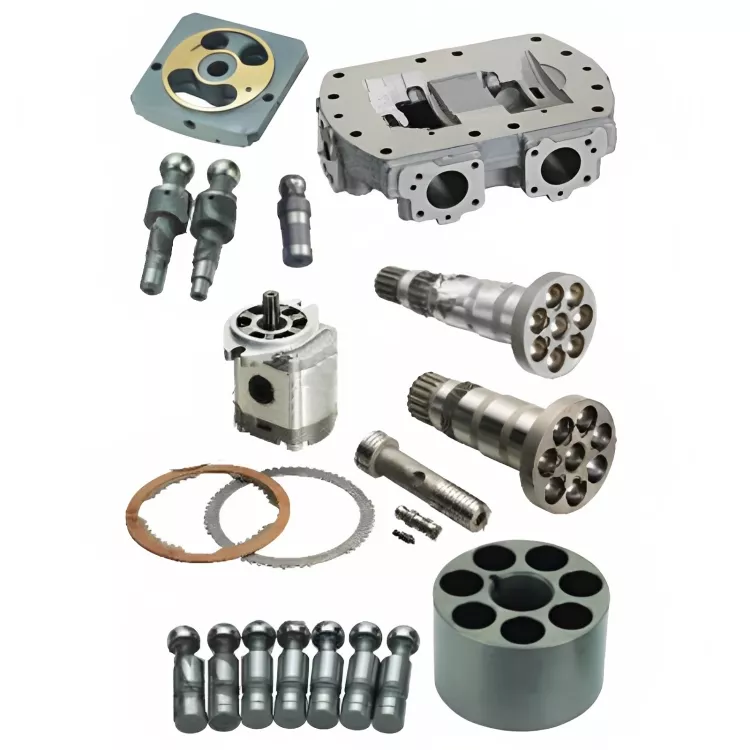
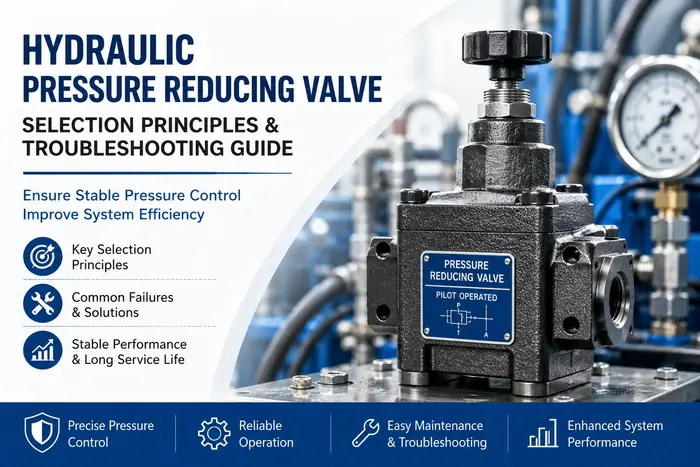
Selection Principles and Troubleshooting of Hydraulic Pressure Reducing Valves
Selection Principles and Troubleshooting of Hydraulic Pressure Reducing Valves
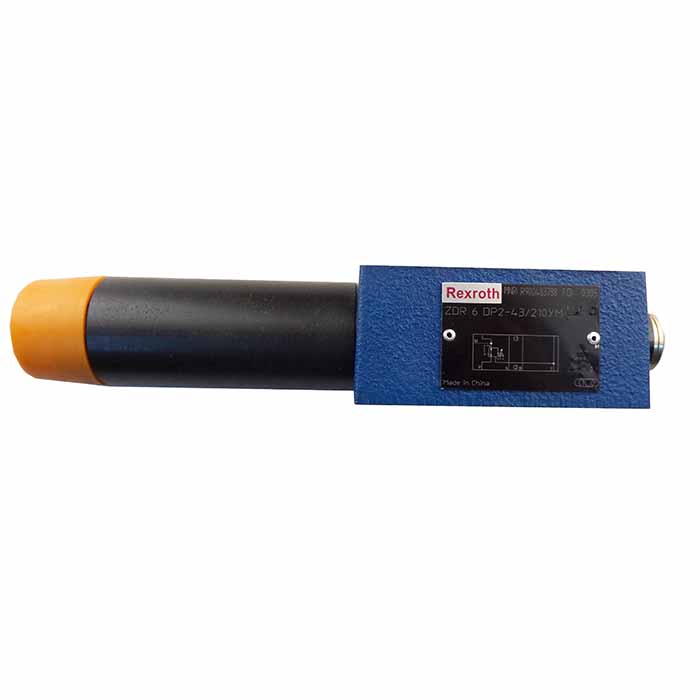
In Hydraulic Systems, the pressure reducing valve plays a critical role in ensuring stable operation and protecting downstream components.
Proper selection and timely fault diagnosis directly affect system efficiency and service life.
1. Key Principles for Selecting a Pressure Reducing Valve
1.1 Control of Inlet Pressure Range
The inlet pressure must be maintained within 80% to 105% of the rated value.
If the pressure fluctuates beyond this range, the valve will lose stability and fail to regulate accurately.
This may lead to inconsistent system performance and potential component damage.
1.2 Relationship Between Inlet and Outlet Pressure
The outlet pressure is typically less than 50% of the inlet pressure.
Each spring corresponds to a specific pressure range.
Using an incorrect spring will result in poor pressure control and reduced efficiency.
Choosing a high-quality hydraulic pressure reducing valve from a reliable manufacturer ensures better durability and precise control.
2. Common Failures of Pilot-Operated Pressure Reducing Valves
2.1 Low or No Outlet Pressure
Blockage in the main spool damping hole can prevent oil from entering the control chamber.
This results in insufficient pressure buildup at the outlet.
Spool sticking or improper adjustment of the handwheel can also cause this issue.
Additionally, leakage or poor sealing in the pilot valve reduces control accuracy.
2.2 No Pressure Reduction Function
When the pilot valve damping hole is blocked, the valve loses control capability.
Oil pressure at the inlet is directly transferred to the outlet.
Blocked drain ports or severe check valve leakage will also eliminate the pressure reduction effect.
2.3 Unstable Secondary Pressure
Deformed or improperly installed springs lead to irregular pressure regulation.
Poor machining accuracy between spool and valve body causes movement resistance.
Contaminants in damping holes create inconsistent flow restriction.
Air in the system or back pressure fluctuations further worsen stability.
2.4 Pressure Increase After Adjustment
Excessive internal leakage in the main valve leads to pressure rise when flow becomes zero.
The additional leakage flow forces pressure buildup in the lower chamber.
This results in an unexpected increase in outlet pressure.
2.5 Noise and Vibration Issues
Excessive flow causes strong hydraulic forces that the spring cannot balance.
This leads to rapid opening and closing of the valve.
The result is pressure fluctuation, vibration, and noise.
Operating within the rated flow range is essential to avoid such problems.
3. Practical Tips to Improve System Performance
Regular maintenance and oil cleanliness are essential for stable operation.
Select valves that match system pressure and flow requirements precisely.
Work with experienced hydraulic component suppliers to ensure product quality.
High-performance pressure reducing valves can significantly reduce downtime and maintenance costs.
If you are sourcing hydraulic pressure reducing valves for industrial applications, choosing the right product can improve system reliability and efficiency.
Contact us today for technical support, customized solutions, and competitive pricing.