Reliable High-Force Flange Spreaders for Demanding Industrial Applications
The Importance of Safe Flange Separation in Industrial Maintenance
Flanged connections are widely used in industrial piping systems to ensure strength, sealing reliability, and pressure resistance.
They play a vital role in power generation plants, refineries, chemical facilities, offshore platforms, and municipal water systems.
While flanges provide structural stability during operation, they can become extremely difficult to separate during maintenance.
Over time, high bolt preload, corrosion, thermal expansion, and hardened gaskets lock flanges together.
Without the proper tools, separating these connections can be unsafe, inefficient, and costly.
Limitations of Conventional Flange Separation Techniques
Traditional methods such as hammer-driven wedges or pry bars are still used in many facilities.
These techniques depend heavily on operator strength and experience.
They often apply uneven force, which increases the risk of flange distortion and sealing surface damage.
In confined environments like turbine housings or boiler rooms, improper separation can lead to sudden flange release.
This creates serious safety hazards for technicians and surrounding equipment.
Why High-Force Tools Are Essential
Modern industrial systems operate at higher pressures and temperatures than ever before.
As a result, flange separation tools must deliver higher force while maintaining control and precision.
High-force flange spreaders are designed specifically to meet these requirements.
Hydraulic Flange Spreaders: Power and Control Combined
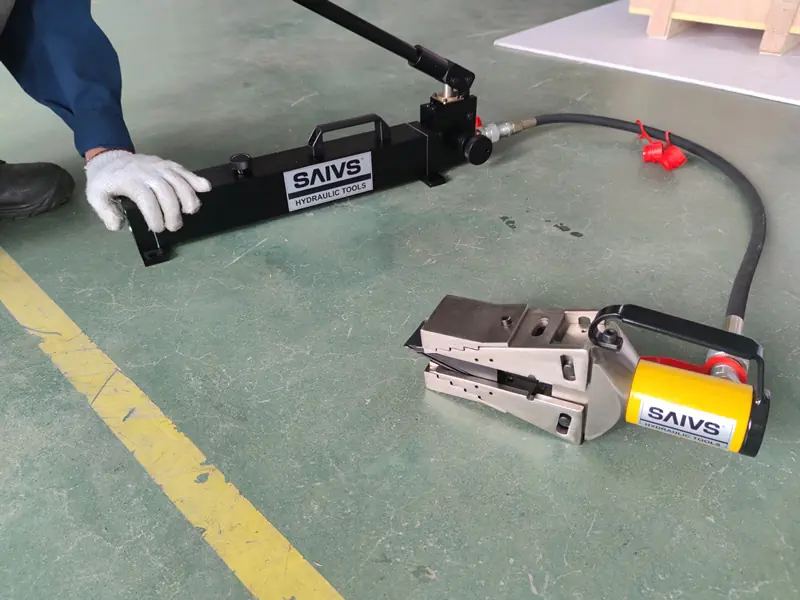
SAIVS hydraulic flange spreaders offer a controlled and efficient solution for separating stubborn flanged joints.
These tools use hydraulic pressure to generate powerful spreading force without excessive manual effort.
Depending on the configuration, SAIVS spreaders can deliver up to 16.3 tons of force per unit.
When used in pairs, total spreading force can reach 32.6 tons, ensuring effective separation of high-pressure flanges.
Structural Features Designed for Heavy Loads
High-Strength Forged Steel Components
Frames and wedges are manufactured from forged steel to withstand extreme stress.
This construction prevents deformation and ensures long-term durability in harsh environments.
Controlled Expansion with Stepped Blocks
Stepped block systems allow technicians to increase the flange gap gradually.
This prevents over-expansion and protects flange faces from accidental damage.
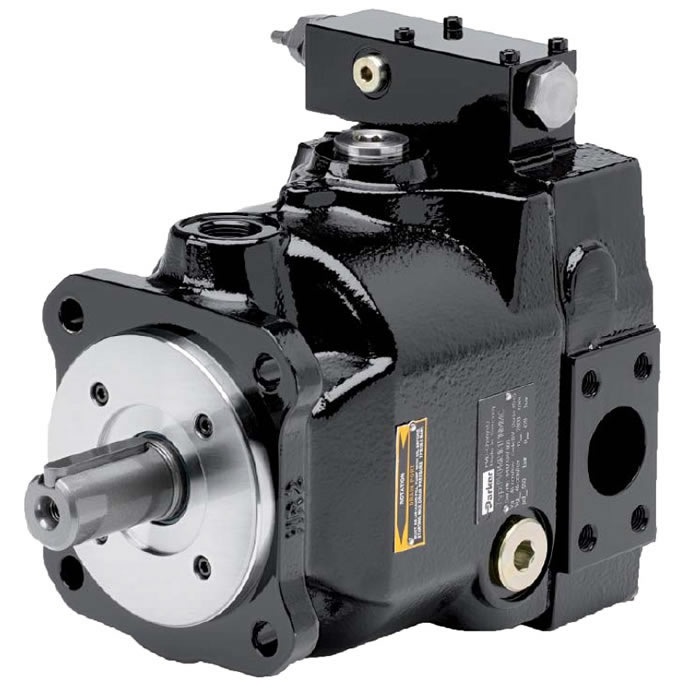
Compact Hydraulic Pump Design
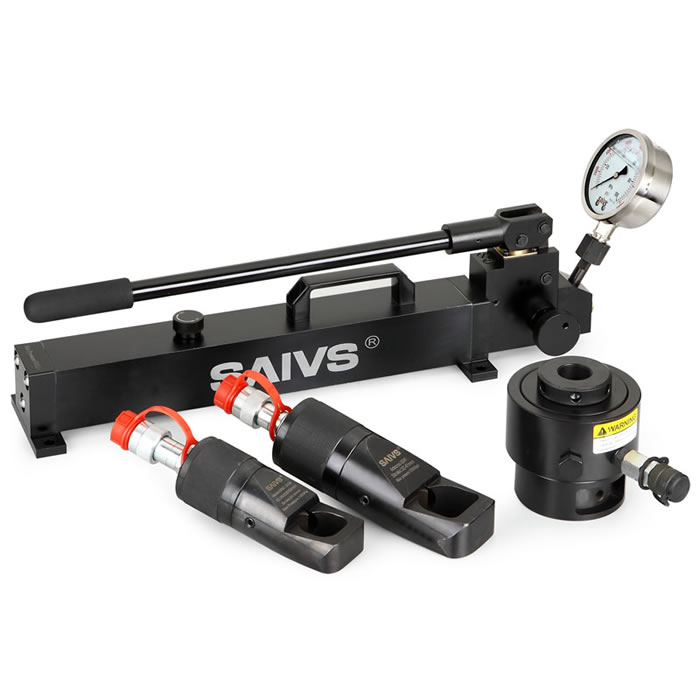
Short and compact Hydraulic pumps provide high power density.
This makes SAIVS flange spreaders suitable for applications with limited working space.
Ergonomic and Portable Design
Lightweight construction and well-designed handles improve tool mobility.
Technicians can easily reposition equipment between flanges and job sites.
Operational Benefits for Maintenance Teams
Reduced Physical Effort
Hydraulic operation eliminates the need for hammering or prying.
This significantly reduces operator fatigue and improves workplace safety.
Precision and Stability
Hydraulic control allows force to be applied evenly and gradually.
This minimizes the risk of sudden flange movement or equipment damage.
Wide Application Range
SAIVS flange spreaders support multiple flange sizes and pressure classes.
They are suitable for generators, turbines, pipelines, heat exchangers, and pressure vessels.
Improved Maintenance Efficiency
Faster flange separation reduces maintenance time.
This helps facilities shorten shutdown periods and maintain production schedules.
How to Select the Right High-Force Flange Spreader
Choosing the correct tool ensures safe and effective operation.
Flange Dimensions and Load Requirements
Always match the spreader’s rated force capacity to the flange size and pressure rating.
Using undersized tools can compromise safety.
Minimum Insertion Gap
Evaluate the available access gap between flange faces.
Compact wedge designs are essential for tight-clearance applications.
Hydraulic Power Options
Integrated pump models provide convenience and portability.
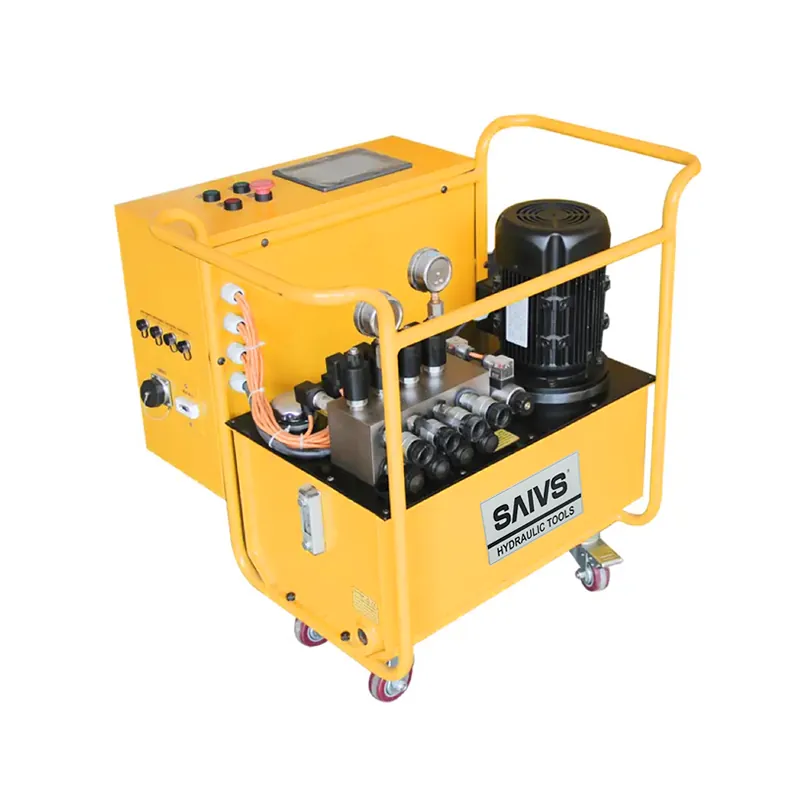
External pump systems offer flexibility for higher-capacity or continuous operations.
Mechanical Flange Spreaders for Specialized Needs
In some scenarios, hydraulic tools may not be required.
Mechanical flange spreaders using manual wedges or screw mechanisms remain effective for lower-pressure flanges.
These tools are compact, cost-efficient, and easy to deploy.
They are ideal for routine maintenance where space and force requirements are limited.
Why Industrial Professionals Choose SAIVS
SAIVS delivers professional flange separation solutions designed for industrial reliability.
Every flange spreader is engineered with safety, performance, and durability in mind.
With strict quality control and practical field-tested designs, SAIVS supports maintenance teams worldwide.
Choosing SAIVS means investing in tools that protect personnel, preserve equipment, and improve operational efficiency.