Manual Torque Wrench Basics and Reliable Torque Control
A manual torque wrench is a precision hand tool designed to apply a controlled amount of torque to bolts and nuts.
Accurate torque application is essential for ensuring safety, structural integrity, and consistent assembly quality.
In industrial and mechanical environments, improper torque can lead to fastener failure or equipment damage.
Understanding the Manual Torque Wrench
A manual torque wrench works on the principle of leverage combined with internal mechanical deformation.
It allows the operator to tighten fasteners to a predefined torque value.
This helps maintain uniform clamping force across multiple connections.
Compared with powered tools, manual torque wrenches provide better control.
They are widely used in maintenance, assembly lines, and quality inspection processes.
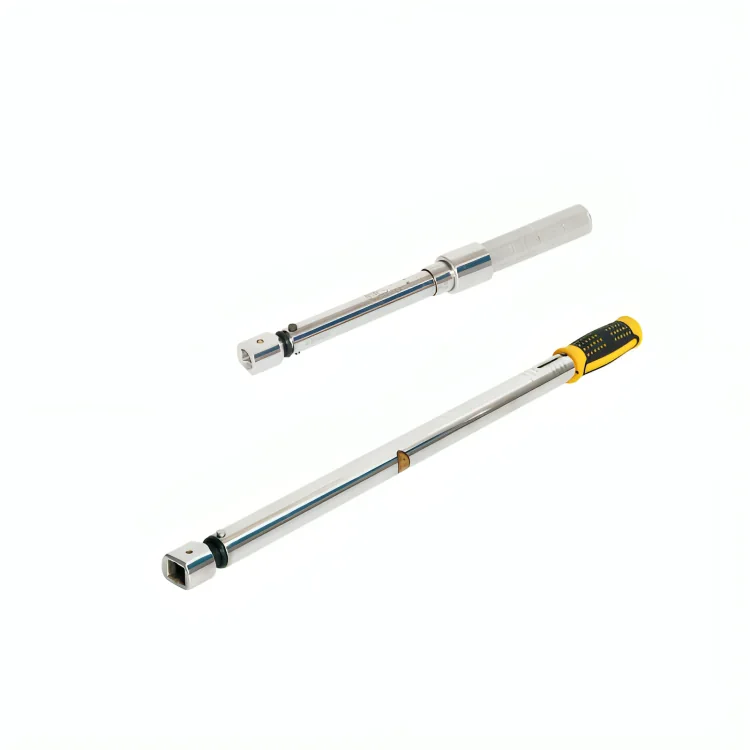
1-500 Nm Plug-In Torque Wrench,TG-1 Series
Key Structural Components
Handle and Grip Design
The handle provides the leverage required to generate torque.
An ergonomic grip reduces operator fatigue during extended use.
Proper handle length ensures stable and repeatable torque output.
Torque Setting Mechanism
The torque adjustment mechanism is usually located near the handle.
Users can set the target torque by rotating or sliding the scale.
Torque values are commonly marked in Nm or ft-lbs.
Clear scale visibility improves setting accuracy.
Stable internal construction helps maintain calibration consistency.
Click and Spring System
Inside the wrench head, a spring-loaded click mechanism controls torque release.
When the preset torque is reached, an audible and tactile click is produced.
This signal indicates that tightening should stop immediately.
The click mechanism prevents over-tightening.
It also protects threaded components from excessive stress.
Ratcheting Head Function
Most manual torque wrenches feature a ratcheting head.
This allows continuous rotation without removing the wrench.
It improves efficiency in confined or repetitive fastening tasks.
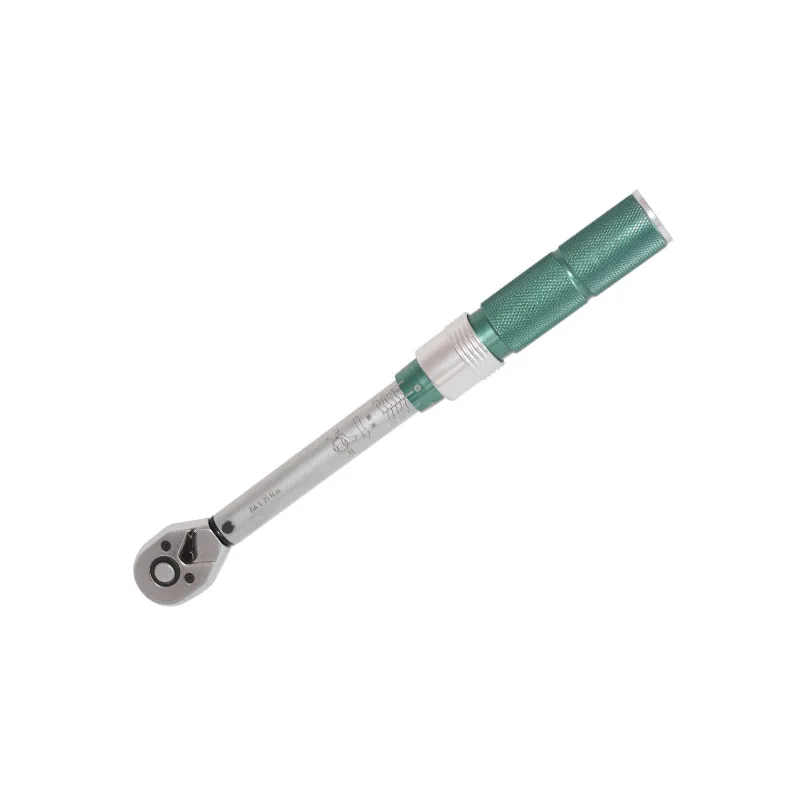
1-500 Nm Preset Torque Wrench,DA Series
Correct Operating Procedure
Basic Usage Steps
First, adjust the wrench to the required torque value.
Ensure the setting is locked before use.
Second, attach a properly sized socket or bit.
A secure fit helps maintain torque accuracy.
Third, apply smooth and steady force to the handle.
Avoid sudden movements that may affect readings.
Once the click is heard or felt, stop applying force.
Continuing beyond this point may result in incorrect torque.
Calibration and Maintenance Importance
Regular calibration is necessary to maintain torque accuracy.
Internal components may wear over time with repeated use.
Routine calibration helps ensure consistent performance.
It also supports quality control and compliance requirements.
Proper storage and handling further extend tool lifespan.
Well-maintained torque wrenches reduce long-term operational risks.
Choosing a Dependable Torque Wrench Supplier
SAIVS offers manual torque wrenches designed for accuracy and durability.
Each tool is produced under controlled manufacturing standards.
Reliable click response and stable torque output improve fastening consistency.
These advantages help reduce rework and equipment downtime.
High-quality torque tools are a valuable investment for industrial users.
They support efficient assembly and long-term reliability.
Summary
A manual torque wrench is essential for precise fastening applications.
Understanding its structure and correct usage improves safety and efficiency.
Selecting reliable tools and maintaining proper calibration ensures consistent results.
Precision fastening contributes directly to product quality and customer trust.