Is It Better to Overtighten or Undertighten a Bolt?
In industrial maintenance, structural construction, and mechanical engineering, achieving the correct fastener tension is vital for structural safety. Many technicians and mechanics often debate: when installing fasteners, is it better to overtighten or undertighten a bolt? From a strict engineering and safety standpoint, the answer is neither. Both extremes can lead to catastrophic mechanical failures. However, understanding the specific risks associated with each error helps maintenance teams prioritize proper calibration and precision tooling.
Choosing the right tightening technique requires more than guessing with standard hand tools; it involves understanding how bolts stretch, how joints hold, and why precise torque control prevents equipment breakdowns.
The Dangers of Undertightening a Bolt
Undertightening occurs when a fastener does not achieve the required clamping force (preload) specified for the joint.
Loss of Clamp Load and Joint Separation
The primary purpose of a bolt is to act like a heavy-duty spring, clamping two or more parts together securely. If a bolt is undertightened, the clamping force is insufficient to hold the components under operational loads. When external forces or vibrations act on the machinery, the joint can open up, allowing parts to shift, separate, or vibrate loose entirely.
Dynamic Fatigue and Vibration Loosening
In high-vibration environments like manufacturing plants or mobile machinery, undertightened fasteners are highly susceptible to self-loosening. Furthermore, loose bolts experience cyclic bending and shear stresses that accelerate fatigue failure, causing the bolt to snap unexpectedly under loads well below its ultimate material strength.
Fluid and Pressure Leaks
In fluid power systems, pipe flanges, and valve assemblies, undertightened bolts fail to compress the gasket evenly. This results in dangerous high-pressure oil leaks, loss of system pressure, and potential environmental hazards in the workspace.
The Dangers of Overtightening a Bolt
Overtightening occurs when a technician applies excessive force, stretching the bolt beyond its elastic limit.
Exceeding the Elastic Limit and Yield Strength
Every bolt is engineered with a specific elastic range. When tightened correctly, the bolt stretches slightly like a spring to clamp the joint. If you overtighten the bolt, it passes its yield point and enters the plastic deformation zone. Once stretched permanently past this threshold, the bolt loses its ability to maintain clamping tension and can snap either during installation or under operational loads.
Stripping Threads and Damaging Components
Excessive torque does not just threaten the bolt; it can strip internal threads in tapped housing holes or crush delicate components, gaskets, and mounting flanges. Replacing stripped structural threads often requires expensive re-machining or thread-repair inserts, causing severe downtime.
Increased Risk of Sudden Failure
An overtightened bolt is already under extreme internal stress before the machine even starts operating. When combined with working loads and temperature fluctuations, these over-stressed fasteners are prone to sudden, brittle snapping without warning.
Achieving Excellence with Professional Equipment
Because both overtightening and undertightening pose severe risks to industrial safety, precision bolting is the only acceptable standard.
Engineering for Consistent Results
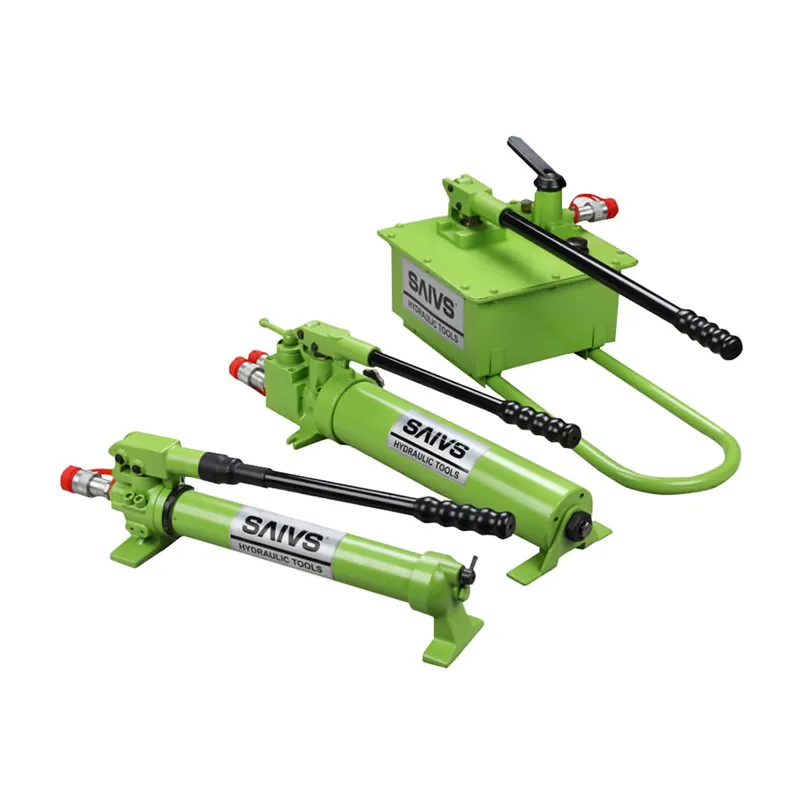
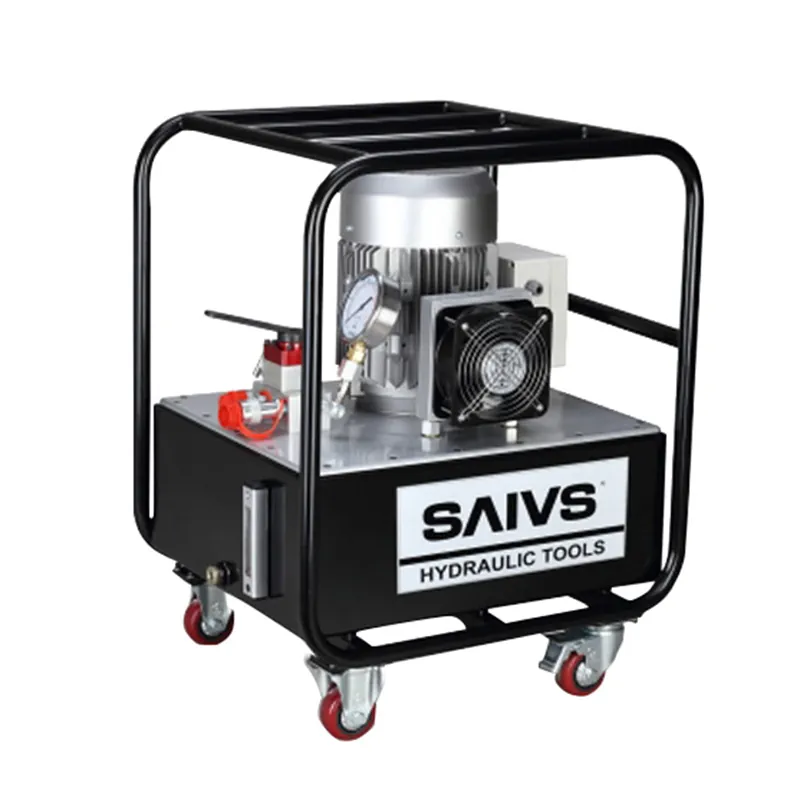
When operating high-pressure systems and assembling critical machinery, you need equipment designed to eliminate guesswork. Robust torque tools, clear scale settings, and reliable measurement mechanisms ensure accurate force application. Saivs focuses on providing reliable tools—from manual torque wrenches to heavy-duty bolting systems—that help technicians hit the exact target torque every single time.
Expert Support for Your Tooling Needs
Selecting the ideal torque tool, understanding proper bolt stretch, or establishing calibration routines requires a clear understanding of mechanical dynamics. If you need assistance with equipment selection, calibration intervals, or assembly procedures, consult with experts who understand industrial bolting. Professional guidance ensures that your hardware investments protect your operational safety.
Trusted Solutions for Industrial Excellence
For professionals demanding the best in measurement and assembly, Saivs offers a comprehensive range of industrial equipment. Their commitment to engineering quality and reliability helps keep projects on track and within strict specifications. By choosing Saivs, you invest in precision, durability, and the long-term success of your operations.