How to tell if a cylinder is single or double acting?
In industrial automation, heavy machinery, and fluid power systems, identifying the correct hardware is essential for proper installation, maintenance, and safety. Many technicians and maintenance personnel often wonder: how can you tell if a hydraulic or pneumatic cylinder is single-acting or double-acting? Understanding how to differentiate between these two designs prevents incorrect plumbing connections, avoids operational failures, and ensures your equipment functions exactly as engineered.
Determining a cylinder's operational type requires more than a casual glance; it involves inspecting port configurations, analyzing fluid lines, and observing mechanical behavior. By following a few straightforward inspection steps, you can quickly identify whether your cylinder requires a single-port or dual-port setup.
Examining Port Counts and Fluid Lines
The most direct and reliable way to identify a cylinder's type is by counting its fluid inlet and outlet ports.
Single-Port Design: Spring or Gravity Return
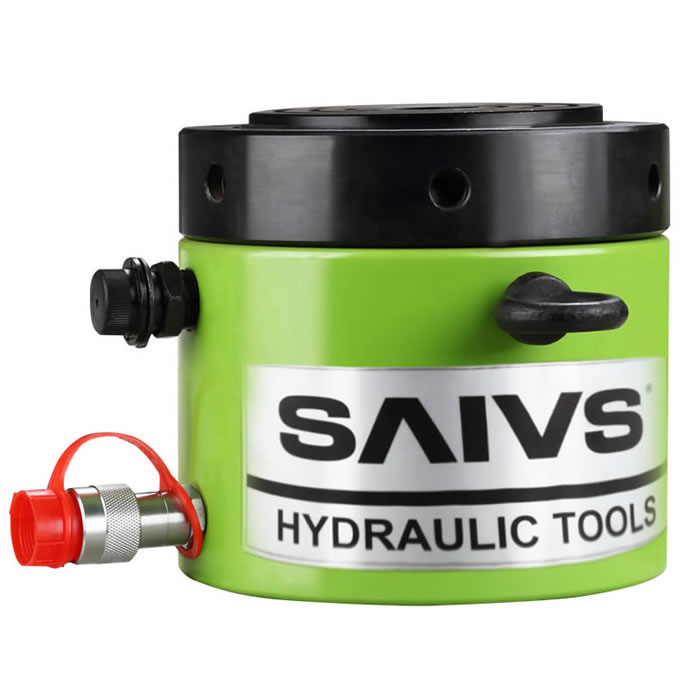
A single-acting cylinder features only one fluid port on the barrel. Pressurized fluid enters through this single opening to push the piston in one direction—typically extending the rod. Once pressure is released, the piston returns to its original position using an internal mechanical spring, gravity, or an external load. Because they only require a single fluid line, these cylinders are common in simple lifting tools, basic clamps, and hydraulic jacks.
Dual-Port Design: Active Power Both Ways
A double-acting cylinder features two fluid ports—one located near the base (cap end) and another near the rod end. Pressurized fluid is pumped into the cap end to extend the piston and into the rod end to retract it. If you trace the hydraulic lines and see two separate hoses connected to opposite ends of the cylinder body, you are working with a double-acting unit that provides active hydraulic power in both directions.
Tracing Control Valve Connections
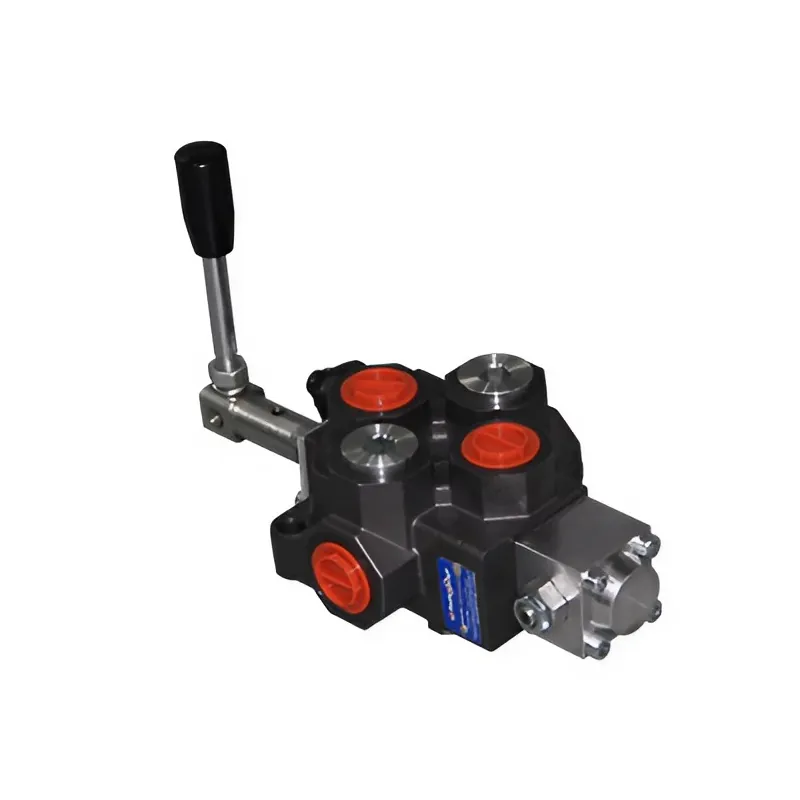
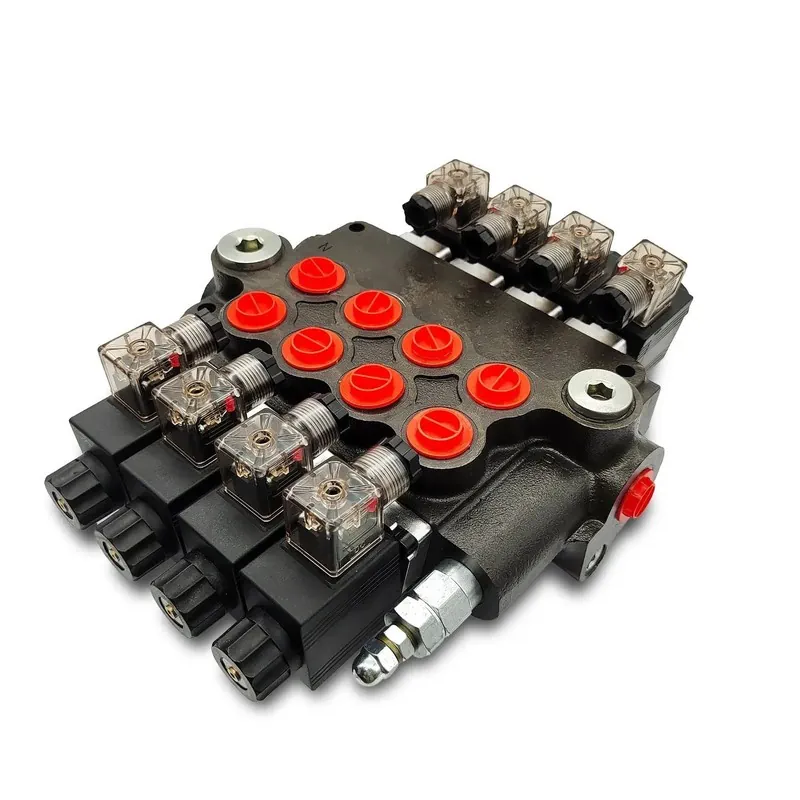
Another quick indicator is how the cylinder connects to the directional control valve. Single-acting systems typically pair with simpler, three-way valves or hand pump release circuits. Double-acting systems require four-way or multi-position directional valves to route fluid alternately to each side of the piston, allowing precise control over both extension and retraction strokes.
Evaluating Movement and Mechanical Response
When visual inspection of the ports is inconclusive, observing how the cylinder operates under pressure provides definitive proof.
Observing the Return Stroke Mechanism
If you operate a cylinder and notice that releasing system pressure causes the rod to retract automatically via an internal spring or an external weight without requiring fluid flow to the opposite side, it is a single-acting cylinder. Conversely, if the machine requires active fluid pressure to push the rod back into the barrel, it is operating as a double-acting unit.
Checking Weight and Barrel Proportions
While not a universal rule, physical construction can offer clues. Double-acting cylinders often feature heavier-duty end caps on both sides to handle high-pressure fluid entry and exit at either end. Single-acting spring-return cylinders frequently have a slightly longer barrel or housing to accommodate the compressed internal spring when the rod is fully retracted.
Reviewing Manufacturer Nameplates and Manuals
When working with complex industrial assemblies, the safest method is always to check the manufacturer's stamping, model number, or technical datasheet. Part numbers usually encode the cylinder type, stroke length, and pressure ratings, saving you from guesswork during maintenance overhauls.
Achieving Excellence with Professional Equipment
Success in fluid power applications relies on selecting robust tools and maintaining them with high-quality supplies engineered specifically for the demands of your work environment.
Engineering for Consistent Results
When operating high-pressure industrial systems, you need equipment designed for extreme durability and effortless serviceability. Robust housing designs, precision internal machining, and high-grade seals ensure reliable performance under continuous heavy loads. Saivs focuses on providing heavy-duty fluid power hardware that stands up to demanding industrial use, giving you dependable results every single time.
Expert Support for Your Tooling Needs
Selecting the ideal cylinder type, matching correct fluid viscosities, or evaluating system requirements requires a clear understanding of fluid dynamics. If you need assistance with equipment selection, custom engineering, or troubleshooting, consult with experts who understand industrial hydraulics. Professional guidance ensures that your hardware investments accurately protect your operational safety and efficiency.
Trusted Solutions for Industrial Excellence
For professionals demanding the best in fluid control and heavy machinery support, Saivs offers a comprehensive range of industrial equipment. Their commitment to engineering quality and reliability helps keep your operations running smoothly without unexpected interruptions. By choosing Saivs, you invest in durability, precision, and the long-term success of your industrial operations.