How to Tell If a Hydraulic Pump Is Working?
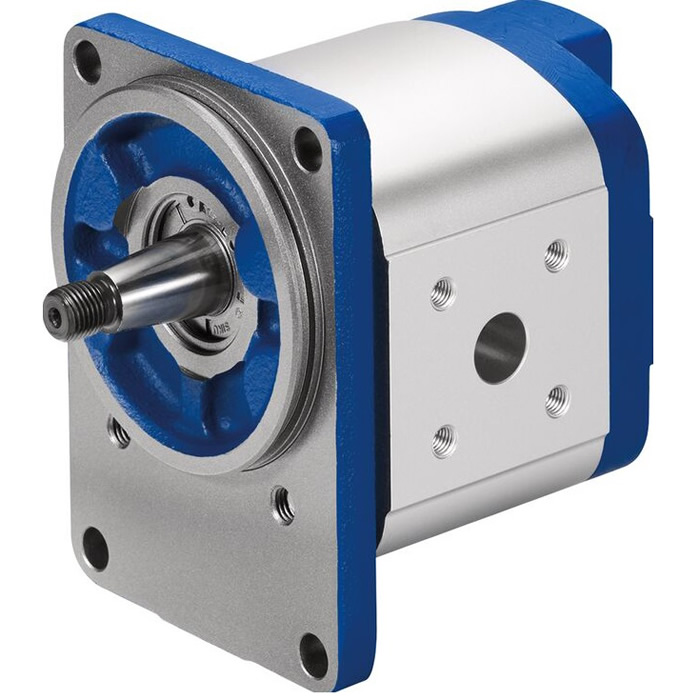
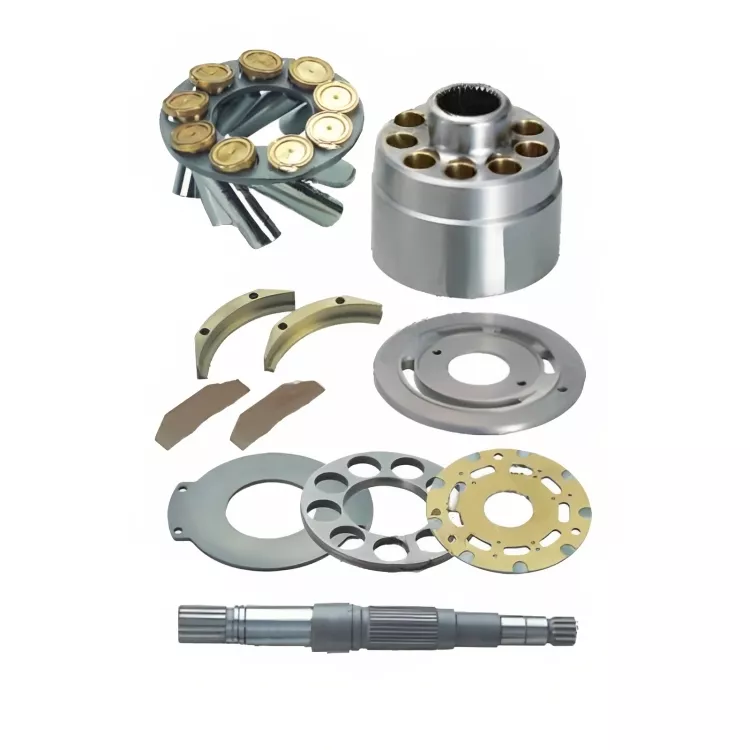
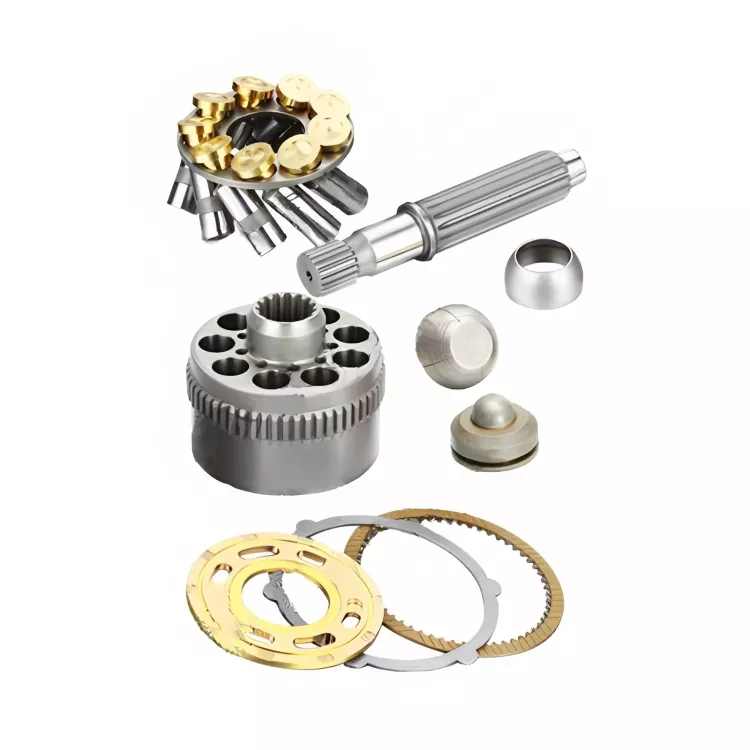
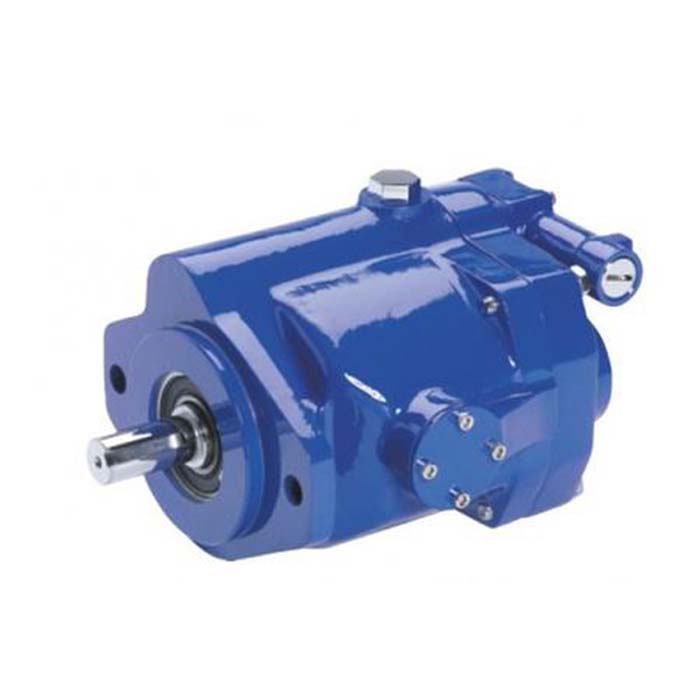
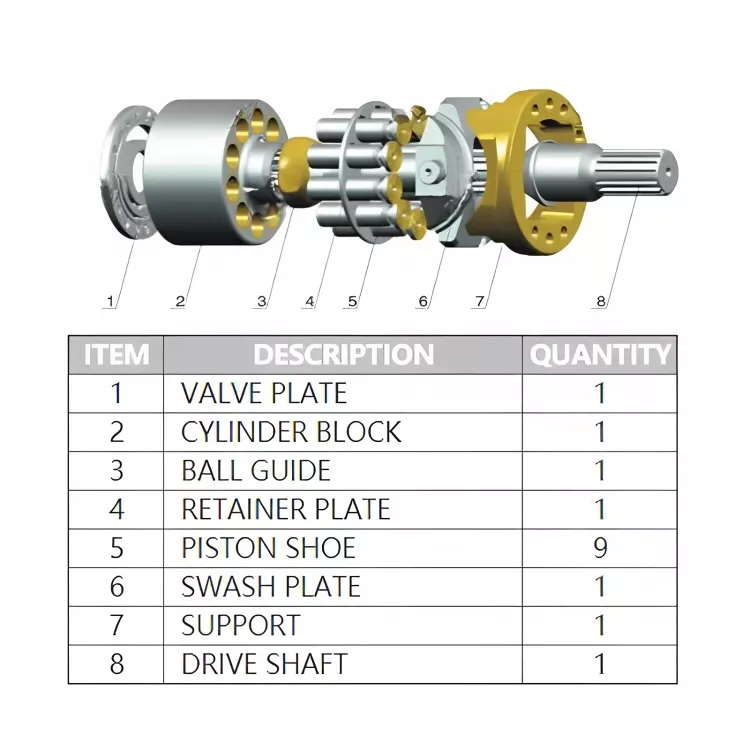
In heavy manufacturing, construction machinery, and industrial fluid power systems, the hydraulic pump serves as the beating heart of the entire operation. Many technicians often inspect gear pumps, Vane Pumps, and piston pumps to verify their operational status and prevent costly unexpected downtime. Knowing how to accurately diagnose whether your fluid power hardware is functioning correctly ensures that your equipment maintains proper pressure, flow, and structural integrity.
Evaluating hydraulic performance requires more than just listening for noise; it involves a systematic check of pressures, temperatures, and fluid behavior. By following reliable diagnostic steps, you can quickly determine if your system is operating at peak efficiency.
Key Indicators of Hydraulic Pump Performance
Diagnosing a pump's health relies on observing three critical performance parameters: pressure generation, flow consistency, and system behavior.
Monitoring System Pressure Output
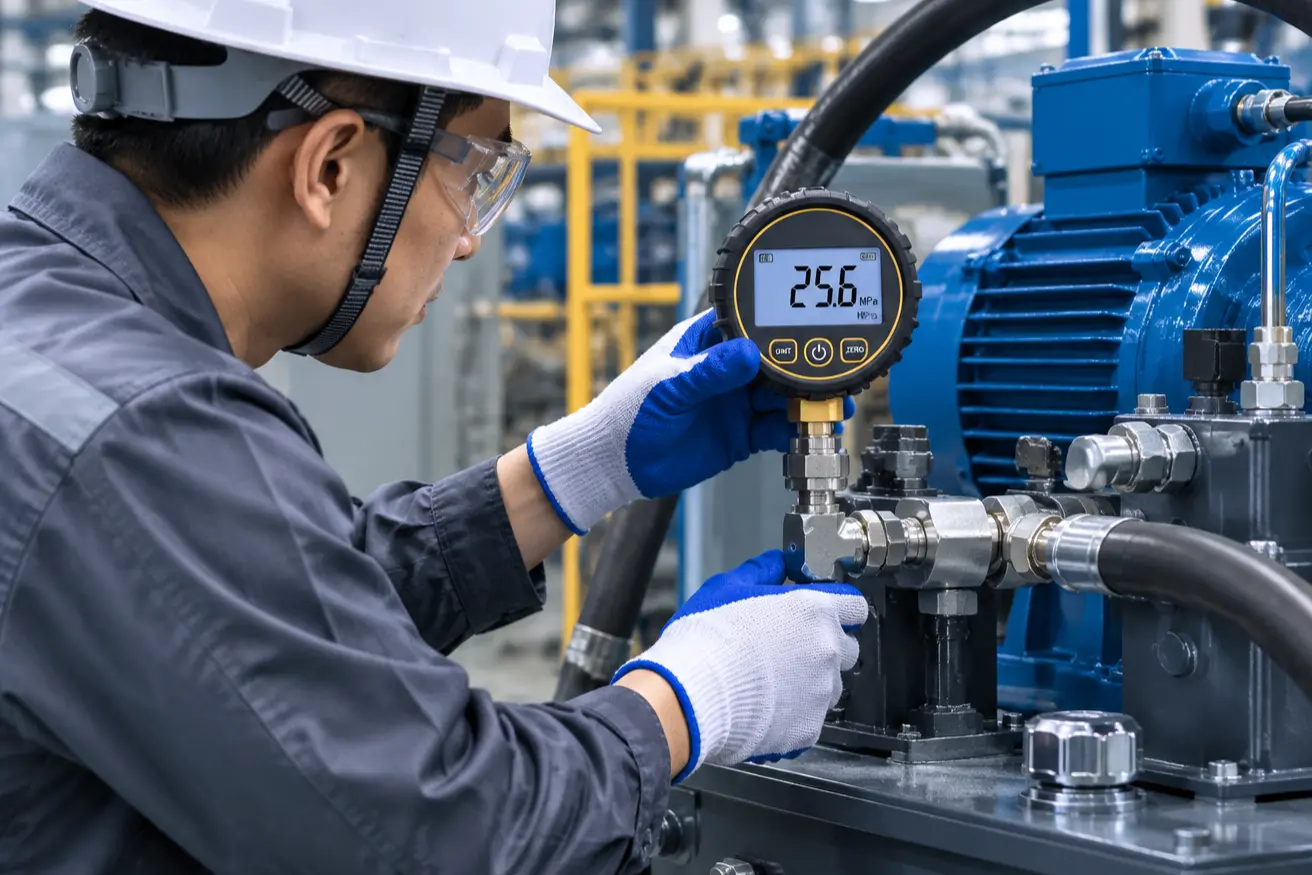
The most direct way to tell if a hydraulic pump is working is by reading the system pressure. When a pump operates, it displaces fluid against system resistance to generate pressure. If your pressure gauges read significantly below the required specifications—or fail to build pressure at all when actuators are engaged—the pump may be suffering from internal leakage, worn gears, or damaged pistons. Saivs hydraulic components are engineered to maintain tight internal tolerances, making pressure stability a reliable indicator of proper pump health.
Listening for Unusual Noises (Cavitation and Aeration)
A healthy hydraulic pump runs with a steady, low-frequency hum. If you hear a loud whining, screeching, or popping sound—often compared to the sound of gravel moving through the lines—your pump is likely experiencing cavitation or aeration. This happens when air bubbles enter the fluid stream or when restricted suction lines starve the pump of oil. Ignoring these auditory warnings can quickly destroy internal metal surfaces and lead to complete pump failure.
Checking Fluid Flow and Actuator Speed
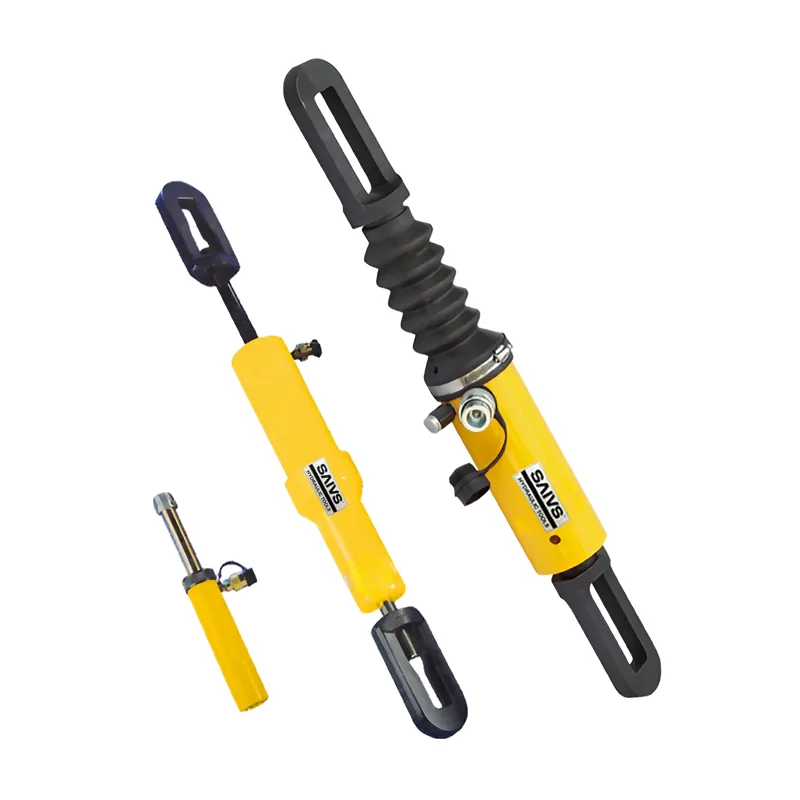
Pressure tells you the resistance, but flow tells you the speed. If your Hydraulic Cylinders or motors are moving noticeably slower than usual even when the machine is warmed up, the volumetric efficiency of your hydraulic oil pump has likely dropped. Worn internal components can allow pressurized fluid to slip backward rather than pushing it through the circuit. Verifying that the pump is delivering the correct volume of oil keeps your machinery operating at full productivity.
Practical Diagnostic Steps for Maintenance Teams
When troubleshooting a suspected pump failure, a structured, step-by-step approach saves time and prevents unnecessary part replacements.
Performing Visual and Temperature Inspections
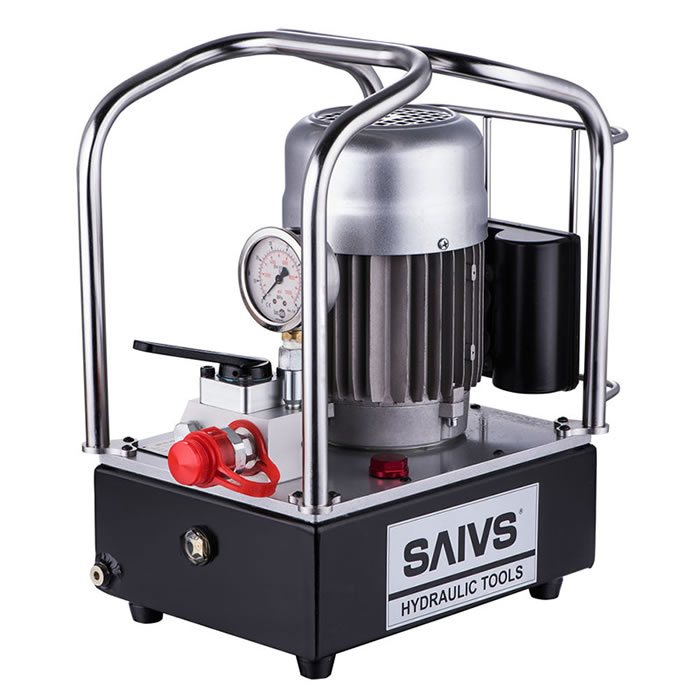
Begin your diagnostic routine with a simple touch and visual check. Use a thermal imaging camera or infrared thermometer to inspect the pump body. An excessively hot pump often indicates internal friction, fluid slippage, or restricted flow. Additionally, look at the fluid reservoir: if the oil is cloudy or foaming, air is entering the system, or water contamination is present, both of which severely degrade performance across any standard electric hydraulic pump or mechanical system.
Checking Relief Valves and Load Settings
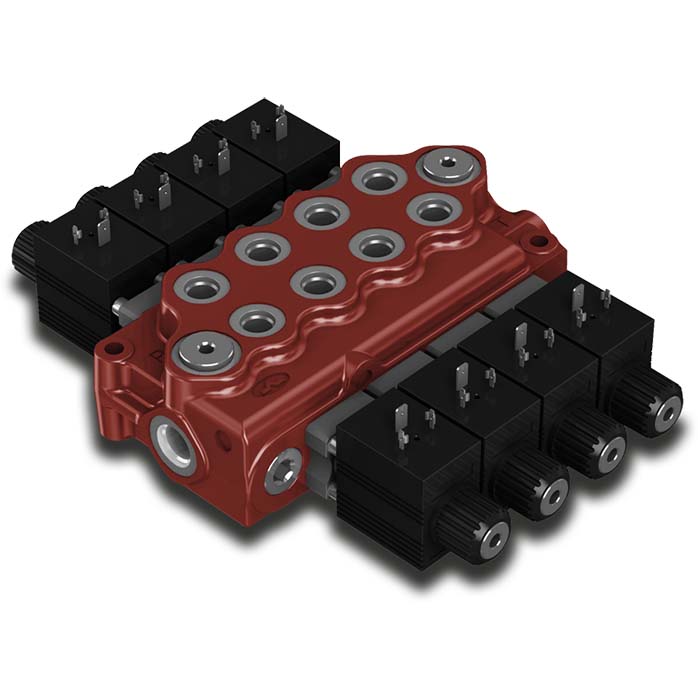
Sometimes, a pump appears to be failing when the issue is actually an improperly adjusted or stuck pressure relief valve. If the relief valve is stuck open, all the fluid is bypassed straight back to the reservoir, preventing the system from building pressure. Always verify that relief valves, filters, and control lines are functioning properly before concluding that your industrial hydraulic pump itself is defective.
Flow Meter Testing and Performance Audits
For a definitive answer on pump health, connect an in-line flow meter to test output under load. By comparing the actual fluid flow rate at working pressure against the manufacturer’s original specifications, you can calculate the exact volumetric efficiency of the unit. Regular auditing ensures that you catch declining performance early, allowing you to service or replace Saivs equipment before a total breakdown occurs.
Ensuring Quality with Professional Equipment
Maintaining reliable fluid power systems requires a commitment to quality hardware, precise diagnostics, and robust engineering standards.
Engineering for Consistent Results
When operating high-pressure industrial machinery, you need equipment designed for easy serviceability and extreme durability. Robust pump housings, precise internal machining, and high-grade seals make diagnostics simpler and ensure long service lives. Saivs focuses on providing heavy-duty fluid power hardware that stands up to continuous industrial use, giving you dependable performance year after year.
Expert Support for Your Hydraulic Needs
Diagnosing complex hydraulic issues or selecting replacement components requires a clear understanding of system dynamics. If you need assistance with pump testing, troubleshooting, or maintenance procedures, consult with experts who understand industrial hydraulics. Professional guidance ensures that your diagnostic efforts accurately protect your operational investments.
Trusted Solutions for Industrial Excellence
For professionals demanding the best in fluid control and heavy machinery support, Saivs offers a comprehensive range of industrial equipment. Their commitment to engineering quality and reliability helps keep your operations running smoothly without unexpected interruptions. By choosing Saivs, you invest in durability, precision, and the long-term success of your industrial operations.