How to Choose the Right Hydraulic Torque Wrench for Industrial Projects
Hydraulic Torque Wrench selection, industrial torque tools supplier, bolting tools
In industrial bolting applications, choosing the correct Hydraulic torque wrench directly affects safety, efficiency, and long-term equipment reliability.
Different working conditions require different torque ranges, tool structures, and drive mechanisms.
A proper selection process helps reduce maintenance costs and improves fastening accuracy.
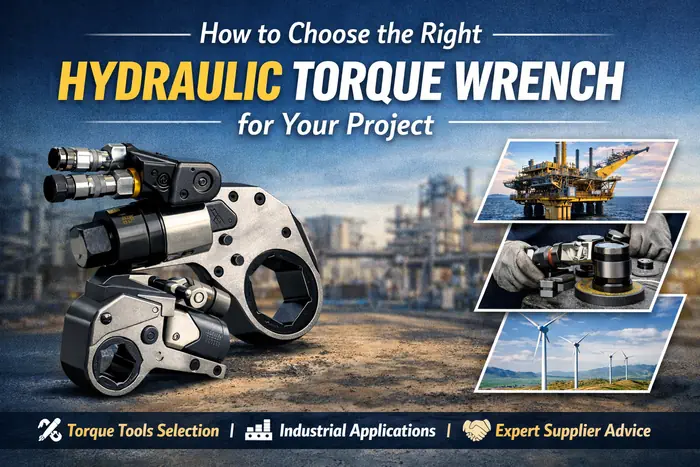
Understanding hydraulic torque wrench Basics
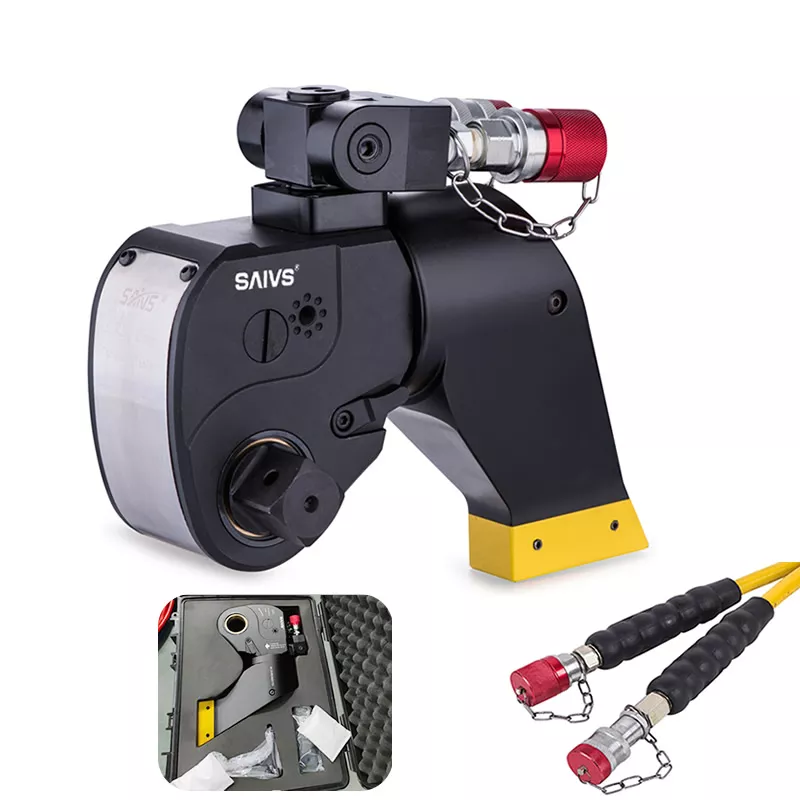
A hydraulic torque wrench uses pressurized hydraulic oil to generate controlled torque output.
It is widely used in industries such as oil and gas, wind energy, heavy machinery, and construction.
Compared with manual tools, Hydraulic Systems deliver consistent torque with minimal human error.
This ensures bolts are tightened according to precise specifications.
Key Types of Hydraulic Torque Wrenches
There are two main types available in the market.
Square Drive Torque Wrench
This type is flexible and suitable for general maintenance tasks.
It works with standard sockets and is ideal for applications with sufficient working space.
It is commonly used in workshops and routine equipment servicing.
Low Profile (Hex) Torque Wrench
This design is compact and specifically built for tight spaces.
It is often used in flange bolting where clearance is limited.
It provides high precision in critical bolting operations.
Important Factors to Consider Before Purchase
Torque Range Requirements
Each project has specific torque requirements.
Select a tool that covers your required torque range without operating at its limits continuously.
Operating within the optimal range improves tool lifespan and accuracy.
Working Environment
Consider whether the tool will be used in confined spaces, offshore platforms, or harsh industrial environments.
Compact models are better suited for restricted areas.
Durable materials are essential for corrosion resistance in demanding conditions.
Pump Compatibility
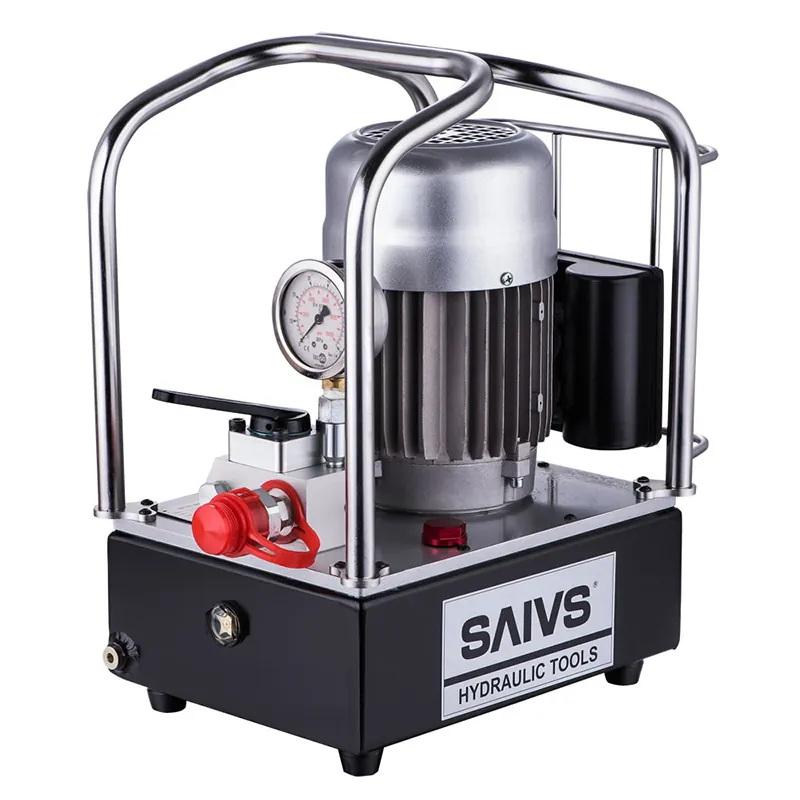
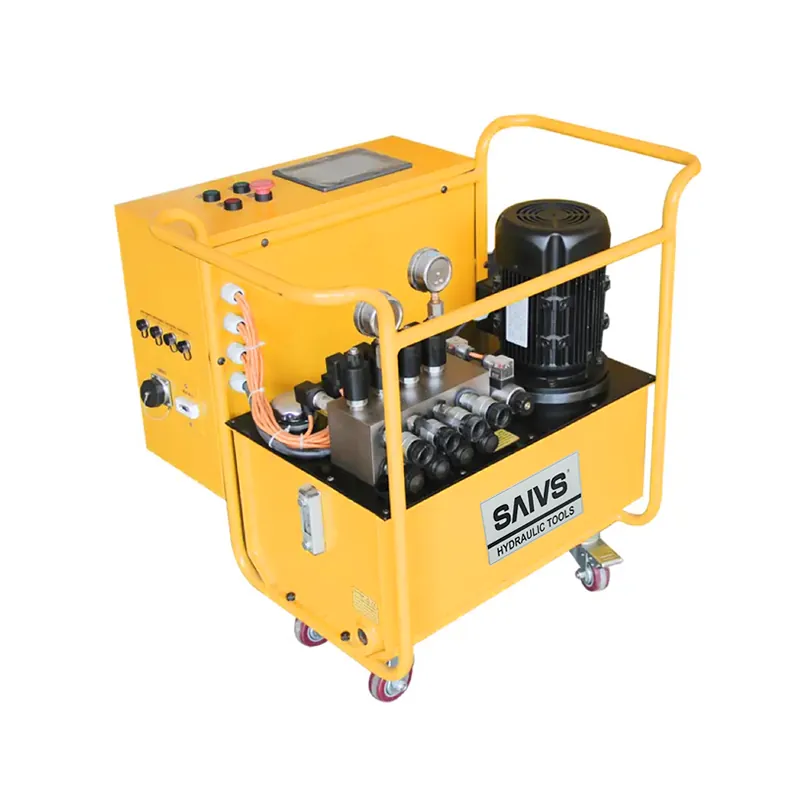
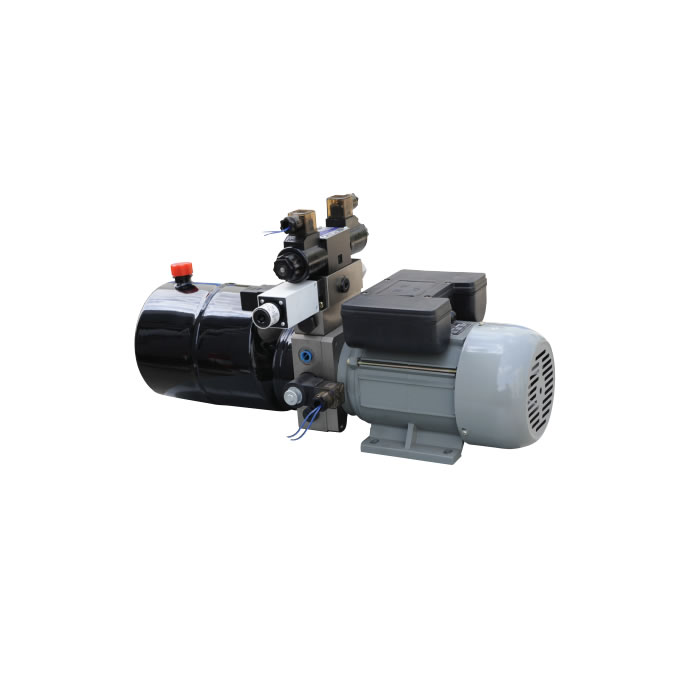
Hydraulic torque wrenches require compatible Hydraulic pumps.
Ensure the pump provides stable pressure output and matches the tool specifications.
A mismatch can lead to inaccurate torque or system failure.
Accuracy and Calibration
High precision is critical in industrial bolting.
Choose tools with certified calibration and low tolerance levels.
Regular calibration services should also be considered when selecting a supplier.
Choosing the Right Supplier Matters
The quality of the supplier determines the reliability of the tool.
An experienced industrial torque tools supplier provides consistent product quality and technical support.
Customization options are also important for projects with unique requirements.
Reliable suppliers offer after-sales service, spare parts availability, and fast delivery.
Why Professional Support Is Important
Technical guidance helps avoid incorrect tool selection.
Professional teams can recommend the most suitable model based on your application.
This reduces project risks and improves operational efficiency.
Application Scenarios for Hydraulic Torque Wrenches
Hydraulic torque wrenches are widely used across multiple industries.
They are essential for flange tightening in pipelines.
They are used in wind turbine installation and maintenance.
They are also applied in mining equipment assembly and heavy machinery manufacturing.
Each application requires specific torque accuracy and tool configuration.
Conclusion
Selecting the right hydraulic torque wrench requires a clear understanding of your project requirements.
Torque range, working conditions, tool type, and supplier capability must all be evaluated carefully.
Investing in a high-quality hydraulic torque wrench improves safety, efficiency, and long-term performance.
If you are planning to purchase reliable bolting tools, contacting a professional supplier can help you get the most suitable solution quickly.
Submit your inquiry today to receive expert recommendations and competitive pricing for your project needs.