How Much Can a 50-Ton Jack Lift?
In heavy construction, fleet maintenance, industrial rigging, and structural engineering, moving massive loads safely requires high-capacity fluid power tools.
However, lifting capacity is not just about raw weight. Understanding how weight distribution, lifting height (stroke), and safety margins work in real-world operations ensures you lift heavy machinery or structures safely without overloading your equipment.
Breaking Down 50 Tons in Real-World Weight
To put 50 tons (100,000 to 110,231 lbs) into practical perspective, it helps to visualize what a single 50-ton jack—or a coordinated multi-jack setup—can support:
Loaded Semi-Trucks and Commercial Trailers: A fully loaded Class 8 semi-truck typically weighs up to 80,000 lbs. A single 50-ton jack easily exceeds the total gross weight of the entire rig, and when lifting just one axle or corner, it operates well within its safe working load.
Heavy Construction Equipment: Large excavators, bulldozers, wheel loaders, and industrial cranes often weigh between 40,000 and 100,000+ lbs, making 50-ton jacks standard equipment in heavy-duty repair yards.
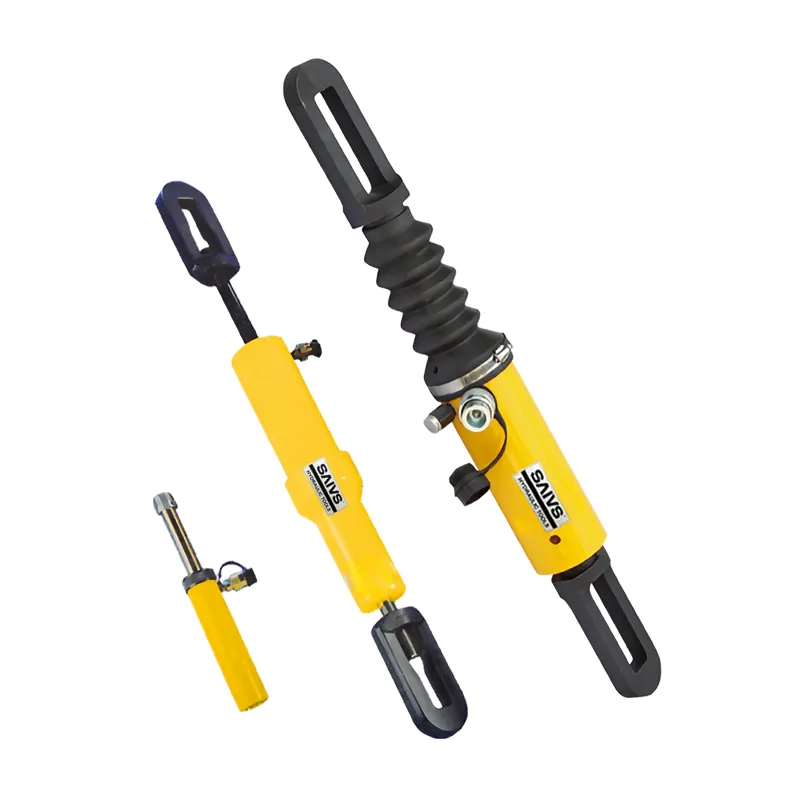
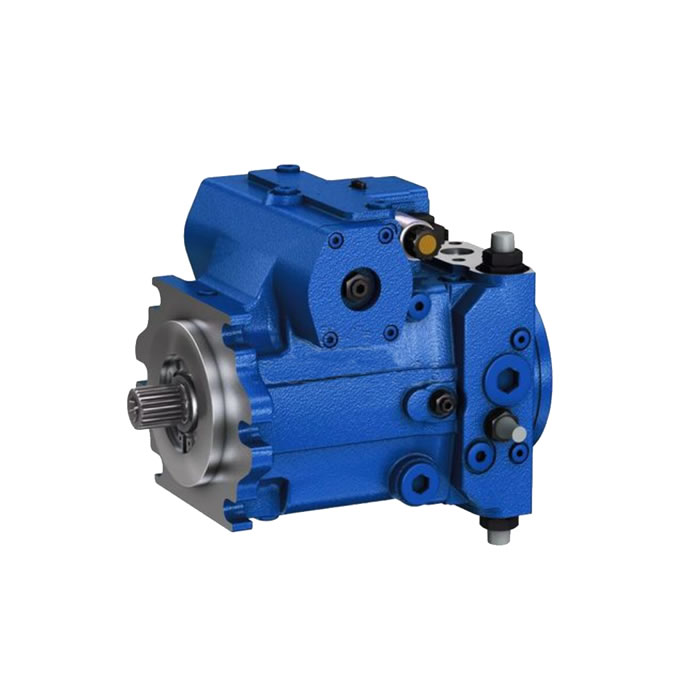
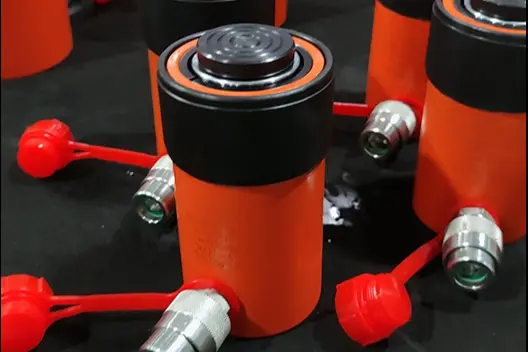
Bridge Girders and Structural Steel: During bridge bearing replacements or foundation leveling, multiple 50-ton Hydraulic Cylinders connected to a synchronized hydraulic pump work together to lift massive concrete and steel spans safely.
Understanding Lifting Height and Stroke Limits
When asking how much a 50-ton jack can lift, operators also need to consider how high it can raise a load. Weight capacity and lifting distance are two different specifications.
Typical Lifting Stroke
Most standard 50-ton hydraulic bottle jacks and industrial rams feature a hydraulic stroke of roughly 4 to 7 inches (100 mm to 180 mm).
Collapsed (Minimum) Height:
Typically ranges from 6.4 to 11.8 inches (162 mm to 300 mm) depending on whether it is a compact pancake cylinder, low-profile ram, or standard bottle jack. Maximum Extended Height: Usually reaches between 10.3 and 18.9 inches (262 mm to 480 mm), sometimes aided by a threaded screw extension or cribbing blocks for staged lifting.
Why You Should Never Lift at 100% Maximum Capacity
In professional rigging and maintenance, engineers follow the 80% safety rule. Even though a jack is rated for 50 tons, you should plan lifts so the actual load does not exceed 80% of the rated capacity (40 tons / 80,000 lbs). Leaving a 20% safety buffer accounts for uneven weight distribution, off-center loading, and dynamic shifts during lifting.
Key Factors That Affect Safe Lifting Performance
Before placing a 50-ton jack under a load, verify three critical job-site conditions:
1. Solid Ground and Base Support
Concentrating 100,000 pounds of downward force onto a small steel base creates immense ground pressure. Always place the jack on solid concrete or thick steel load-spreading plates to prevent the jack from sinking or tilting into asphalt or soil.
2. Centering the Load
Hydraulic rams are engineered for vertical, axial compression. Off-center loads create dangerous side-loading forces that can bend the piston rod, score the cylinder bore, or cause the load to slip off the saddle.
3. Always Use Mechanical Support Stands
A hydraulic jack is a lifting device—not a permanent support stand.
Achieving Excellence with Professional Equipment
Success in heavy lifting and industrial maintenance relies on selecting robust tools engineered for extreme loads and demanding work environments.
Engineering for Consistent Results
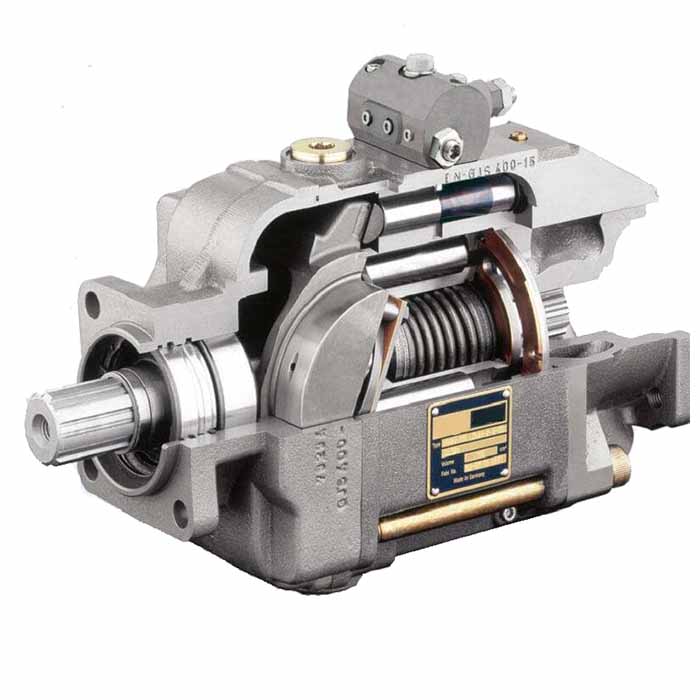
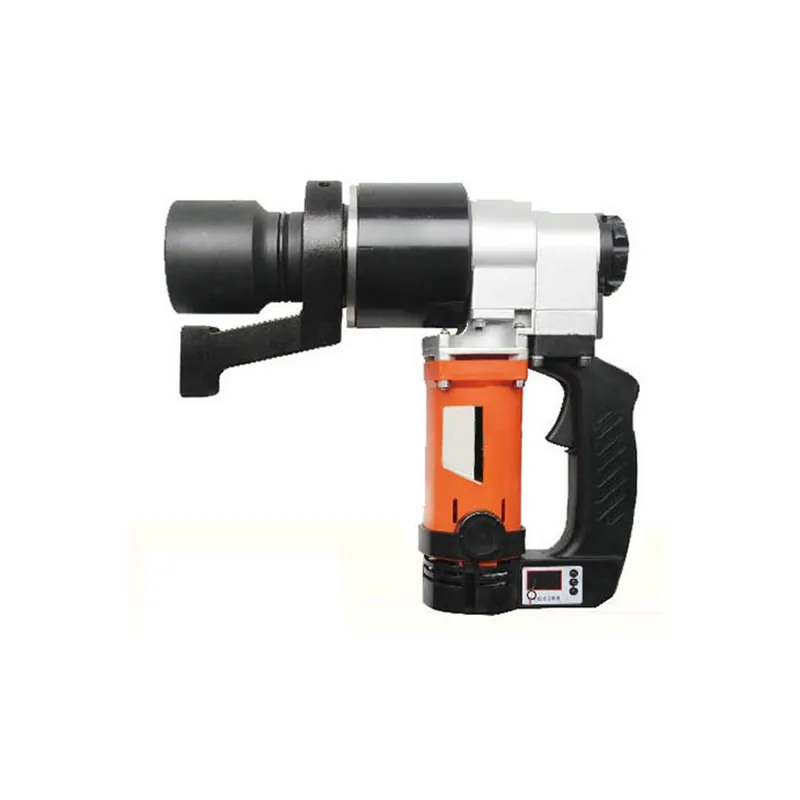
When lifting tens of thousands of pounds, you need fluid power hardware designed for maximum structural integrity and leak-free pressure control. High-strength alloy steel bodies, precision-machined pistons, and reliable seal systems ensure steady performance under heavy loads. Saivs focuses on providing heavy-duty lifting and bolting equipment—from high-tonnage Hydraulic Cylinders and pancake cylinders to Hydraulic pumps and manual torque wrenches—built to perform reliably in tough industrial environments.
Expert Support for Your Tooling Needs
Selecting the right tonnage, stroke length, and pump configuration requires a clear understanding of load dynamics and site clearances. If you need assistance choosing lifting cylinders, synchronizing multi-point lifts, or planning equipment maintenance, consult with specialists who understand industrial hydraulics.
Trusted Solutions for Industrial Excellence
For professionals demanding dependability, safety, and precision on every lift, Saivs offers a comprehensive lineup of industrial fluid power tools. With a commitment to durable engineering and consistent quality, Saivs helps keep your heavy lifting and maintenance projects operating smoothly.