SAIVS
  • HOME
  • ABOUT US
    • Honor
    • Manufacturing Capacity
    • Privacy Policy
    • Terms of Service
    • FAQ
  • PRODUCTS
    • Hydraulic Pumps
      • Rexroth
        • A2F Series
        • A4 F/V Series
        • A7VO Series
        • A8VO Series
        • A10V Series
        • A11V Series
        • PG Series
        • AZ Series
        • PV Series
      • Parker
        • PV-plus Series
        • P1 PD Series
        • PAVC Series
        • VP1 Series
        • PG Series
        • P2 P3 Series
      • Sauer-Danfoss
        • 45 Series
        • 90 Series
      • Eaton Vickers
        • PVM Series
        • PVH Series
        • PVQ Series
        • PVE Series
        • VMQ Series
      • Nachi
        • PVD Series
        • PVK Series
        • PVS Series
        • PZS Series
        • PZ Series
      • Hawe
        • V30 Series
        • V60N Series
      • Kawasaki
        • K3V Series
        • K5V Series
      • Sumitomo
        • QT Series
      • Linde
        • MPR Series
        • HPV-02 Series
        • HPR-02 Series
      • Vane Pumps
      • Gear Pumps
    • Hydraulic Motors
      • SAI GM Series Motor
      • Intermot Piston Motor
      • Hydraulic Cycloidal Motors
      • Rexroth Hydraulic Motor
      • Poclain Hydraulic Motor
    • Hydraulic Valves
      • Pressure Relay
      • Pressure Valve
      • Threaded Cartridge Valve
      • Flow Valve
      • Anti-explosion Valve
      • Proportional servo valve
      • Direction Valve
      • Directional Control Valves
    • Planetary Gearboxes
      • Rexroth
      • Bonfiglioli
      • Brevini
      • Dinamicoil
      • O&K
    • Hydraulic Cylinder
      • Aerial Work Platforms
      • Agricultural Equipment
      • Construction Equipment
      • Manufacturing Equipment
      • Marine
      • Material Handling
      • Mining
      • Road Service
      • Waste/Recycling
      • Cylinder Parts
    • Hydraulic Power Units
      • Scissor High Altitude Platform
      • Pallet Car
      • The Wing Car
      • Lift Platform
      • Automobile Tail Plate
      • Special Vehicle
    • Hydraulic Pump Parts
      • Parker Series
      • Komatsu Excavator Series
      • Hitachi Series
      • Rexroth Series
      • Sauer Danfoss Series
      • Uchida Series
      • Messori Series
      • Kayaba Series
      • Toshiba Series
      • Nachi Series
      • Eaton Vickers Series
      • Linde Series
      • Caterpillar Series
      • Kawasaki Series
      • Kobelco/Kato Series
      • Hawe Series
      • Sumitomo Series
    • Hydraulic Tools
      • Flange Tools
      • Hydraulic Lifting tools
        • Hydraulic pump
        • Hydraulic Cylinder/Jack
        • Hydraulic Professional Tools
      • Bolting Tools
        • Hydraulic Tensioners
        • Hydraulic Torque Wrench Pumps
        • Torque wrenches
      • Hydraulic Components
      • Electric Power Tools
    • Hydraulic System
    • Hydraulic Manifolds
    • Hydraulic Winch
    • Electro Hydraulic Actuators
  • APPLICATIONS
    • MOBILE
    • AGRICULTURE
    • INDUSTRIAL
    • ENERGY
    • FOOD & BEVERAGE
    • OIL & GAS
  • DOWNLOAD
    • Best PDF
  • CONTACT US
  • BLOG
HOME > BLOG

Gear Pump Selection Principles and Basic Conditions

Author:SAIVS Time:2024-07-03 Click:

Selecting the appropriate gear pump involves a detailed analysis based on various factors including layout, terrain, water level conditions, and operational requirements. Here's a step-by-step guide on how to choose the right gear pump:

1. Determining Pump Type

First, evaluate the arrangement of the installation, the terrain conditions, water level conditions, and operational requirements to decide whether to choose a horizontal, vertical, or other types (such as pipeline, submersible, vertical submerged, non-clogging, self-priming, gear type, etc.) gear pump.

2. Considering the Liquid Medium

Identify the type of liquid medium to be pumped. Determine whether you need a clear water gear pump, hot water gear pump, oil gear pump, chemical gear pump, corrosion-resistant gear pump, or an impurity gear pump. For areas prone to explosions, select a gear pump with an explosion-proof motor according to the explosion area classification.

3. Flow Rate and Head Requirements

Flow Rate: Decide whether to use a single-suction or double-suction gear pump based on the flow rate requirements.

Head: Determine if a single-stage or multi-stage gear pump is needed based on the head requirements. Typically, single-stage gear pumps are preferred if they can meet the requirements, as multi-stage pumps generally have lower efficiency.
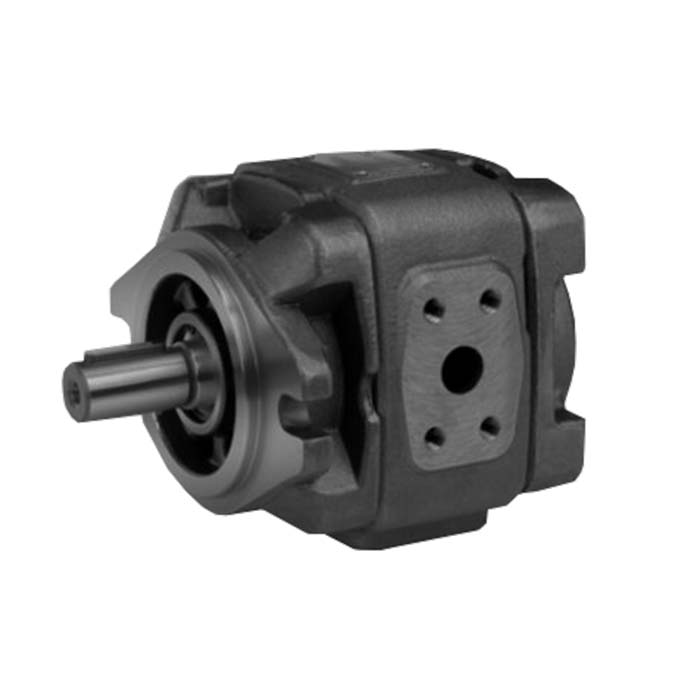
SH1 Internal Gear Pump

4. Determining Specific Pump Model

After selecting the type of gear pump, choose the specific model based on maximum flow rate (if unknown, usually 1.1 times the normal flow rate can be considered as the maximum flow rate). Add a margin of 5%-10% to the head requirement. Use the characteristic curves of the gear pump to identify the specific model:

Intersection Above Characteristic Curve: If the intersection of required flow rate and head is above the characteristic curve, the flow rate is sufficient but the head is inadequate. If the difference is within 5%, the pump can still be used; otherwise, choose a pump with a higher head.

Intersection Below Characteristic Curve: If the intersection is below the characteristic curve, the preliminary model can be determined based on the difference in head. For minor discrepancies, cutting the impeller diameter may be considered. If the difference is significant, select a pump with a smaller head.

5. Performance Verification

Verify the model's performance using product catalogs or sample data to ensure that the normal working point falls within the pump's optimal working range.

6. Adjustments for High Viscosity Liquids

For liquids with viscosities greater than 20mm²/s or densities over 1000kg/m³, convert the water test performance curves to account for the specific viscosity or density. Pay particular attention to suction performance and input power calculations.

7. Determining the Number of Pumps and Backup Rate

Generally, a single pump is preferred for normal operation due to higher efficiency compared to two smaller pumps in parallel. However, consider using multiple pumps in parallel in the following scenarios:

High Flow Rates: When a single pump cannot achieve the required flow rate.

High Backup Rate: For systems requiring a 50% backup rate, use two smaller pumps in operation with one in reserve.

24/7 Operation: For continuous operation, use three pumps—one operating, one on standby, and one under maintenance.
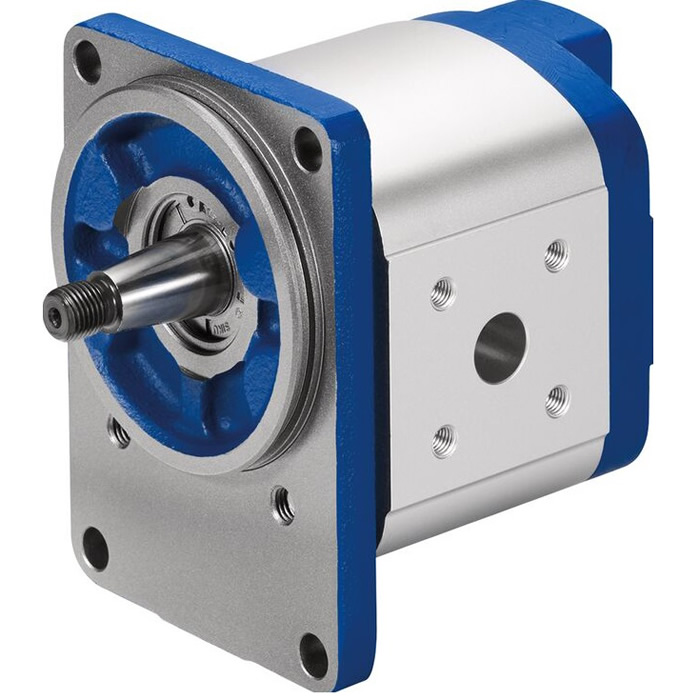
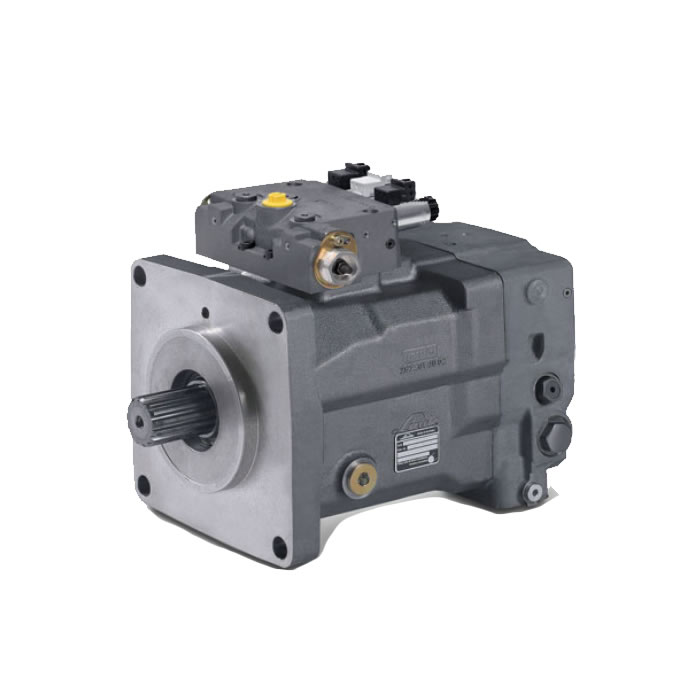
AZPN series Rexroth Gear Pumps

8. Manufacturer Consultation

Clients can submit their basic gear pump selection conditions to the pump manufacturer for model selection or recommendations. If the design institute has already determined the pump model during the equipment design phase, configure according to their specifications.

When selecting a gear pump, consider comprehensive factors such as working pressure, flow rate, speed, fixed or variable displacement, variable method, volumetric efficiency, overall efficiency, lifespan, compatibility with hydraulic oil, dimensions, weight, economy, and maintainability. These factors, often detailed in product catalogs or technical documents, should be thoroughly reviewed. For any unclear points, consult the relevant gear pump selection manuals from reputable manufacturers.


By following these principles and steps, you can ensure that the selected gear pump will meet the specific requirements of your application, providing reliable and efficient performance.
Tag: gear pump Gear Pump Selection Principles Hydraulic Pump

Random Recommend

  • Trough pickling process and formulation for hydraulic system
  • Why Proper Bolt Tightening Is Critical in Industrial Equipment
  • How to Solve the Problem of Excessive Heating in Hydraulic Pumps?
  • Repair Methods For Digital Torque Wrench
  • Talking about the function of hydraulic control valve in the system!
  • How to detect and repair hydraulic cylinder leaks
  • hydraulic system is a common problem encountered by hydraulic workers
  • How much is a multi-way change-over valve
  • 4 Spool Directional Control Valve: Applications And Advantages
  • Parker hydraulic oil pump insufficient pressure repair

Related Products

IPH Series,10-100 Ton H-Frame Hydraulic Press with Hand Pump

IPH Series,10-100 Ton H-Frame Hydraulic Press with Hand Pump

SPV14/SPV15/SPV18/MMFO25C SAUER 90 Hydraulic Parts

SPV14/SPV15/SPV18/MMFO25C SAUER 90 Hydraulic Parts

HD450V-2 / HD3000 Kobelco/Kato Hydraulic Pump Parts

HD450V-2 / HD3000 Kobelco/Kato Hydraulic Pump Parts

PV7 10/16/25/40/63/100 series Rexroth  Vane Pump

PV7 10/16/25/40/63/100 series Rexroth Vane Pump

Excavator Bucket Cylinder

Excavator Bucket Cylinder

A10VG Rexroth Hydraulic pump 18 28 45 63

A10VG Rexroth Hydraulic pump 18 28 45 63

Nachi PVK Series variable axial piston pump

Nachi PVK Series variable axial piston pump

planetary gearboxes for mobile applications

planetary gearboxes for mobile applications

EATON VICKERS PVQ Series straight axle variable displacement pump

EATON VICKERS PVQ Series straight axle variable displacement pump

MS Series Poclain Shaft With Flow Motor

MS Series Poclain Shaft With Flow Motor

  • ABOUT US

    • Honor
    • Manufacturing Capacity
    • Privacy Policy
    • Terms of Service
    • FAQ
  • PRODUCTS

    • Hydraulic Pumps
    • Hydraulic Motors
    • Hydraulic Valves
    • Planetary Gearboxes
    • Hydraulic Cylinder
    • Hydraulic Power Units
    • Hydraulic Pump Parts
    • Hydraulic Tools
    • Hydraulic System
    • Hydraulic Manifolds
    • Hydraulic Winch
    • Electro Hydraulic Actuators
  • APPLICATIONS

    • MOBILE
    • AGRICULTURE
    • INDUSTRIAL
    • ENERGY
    • FOOD & BEVERAGE
    • OIL & GAS
  • CONTACT US

    NO. 626 Yuncai Road,

    Yunlong Town, Yinzhou,

    Ningbo, Zhejiang, China.

    +8613905748980

    Monday - Friday:

    8:30 AM to 5:30 PM

    sales@saivstools.com

    Saivs industrial twitter youtube linkedin pinterest
Copyright © 2012-2025 Ningbo Saivs Machinery Co.,ltd. 
TAGS  SiteMap