Are Torque Wrenches Repairable?
In industrial maintenance, precision manufacturing, and heavy construction, accurate fastener tension is non-negotiable. Many technicians often wonder whether a precision instrument like a Hydraulic Torque Wrench or a mechanical click-type tool can be fixed when it stops delivering accurate measurements. Understanding the difference between minor calibration adjustments, component replacements, and total tool replacement is essential for maintenance managers looking to control operational costs.
Maintaining precision bolting equipment requires more than just regular cleaning; it requires knowing when and how a tool can be professionally serviced. By exploring the repairability of modern bolting systems, you can maximize your equipment lifespan and ensure continued bolting accuracy.
Understanding Torque Wrench Damage and Wear
Before deciding whether a tool can be fixed, it helps to understand how precision torque tools wear down and where failures typically occur.
Common Failure Points in Bolting Tools
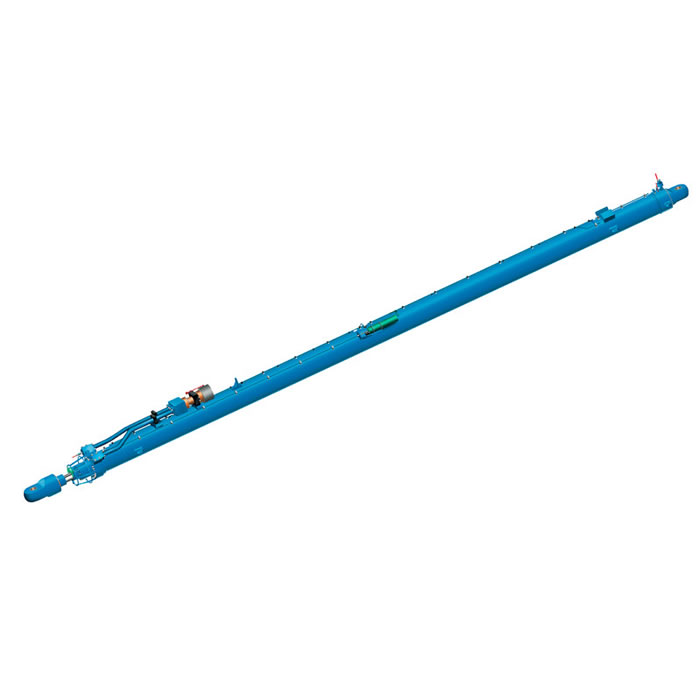
Both mechanical hand tools and heavy-duty Hydraulic Systems endure immense stress during daily operations. For mechanical click wrenches, internal springs can fatigue, and gear teeth can strip. For heavy bolting systems, internal seals, drive pawls, and cylinder walls can wear out over time. When a tool loses calibration or begins leaking fluid, evaluating whether a component swap can restore it is far more cost-effective than buying a brand-new unit.
Repairing Hydraulic vs. Mechanical Wrenches
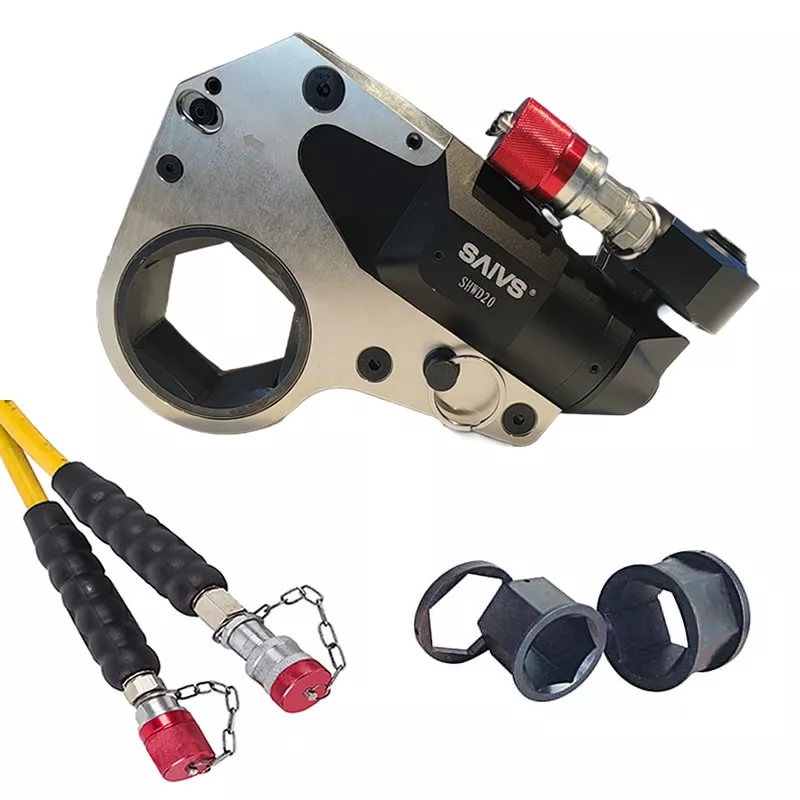
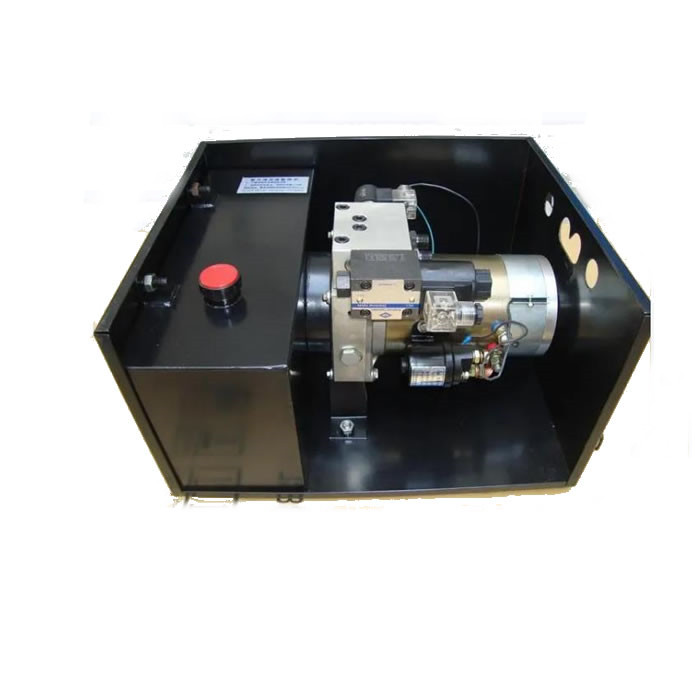
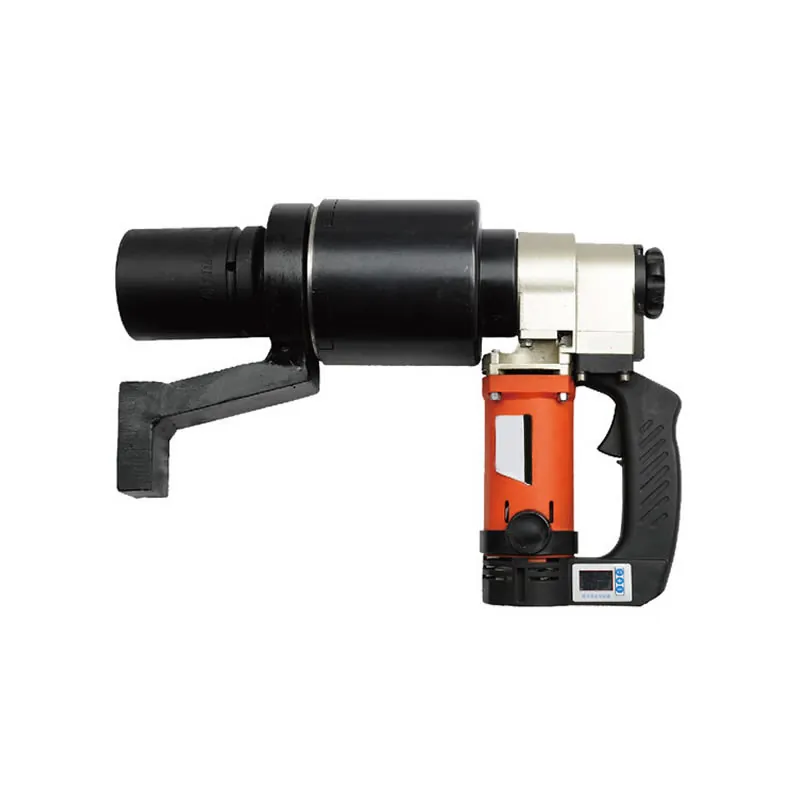
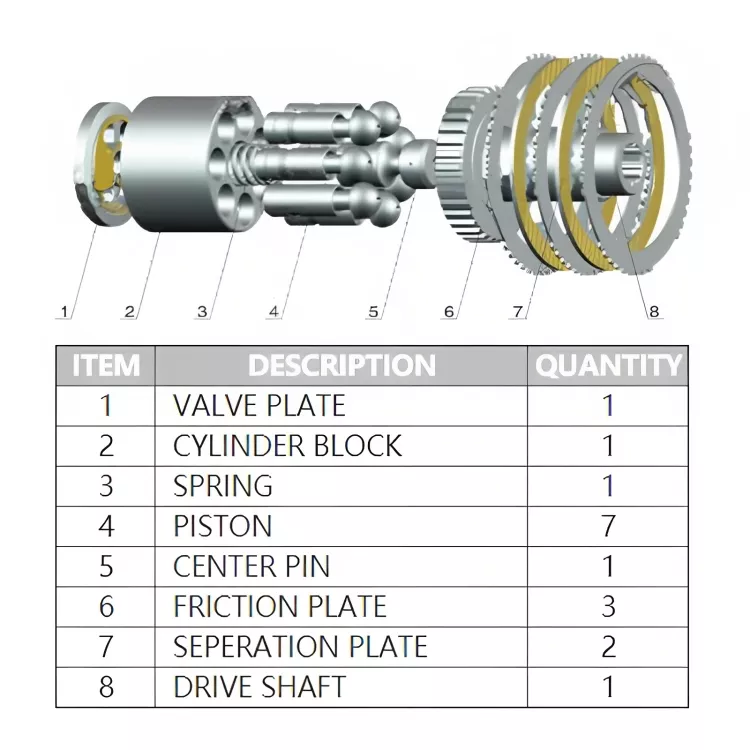
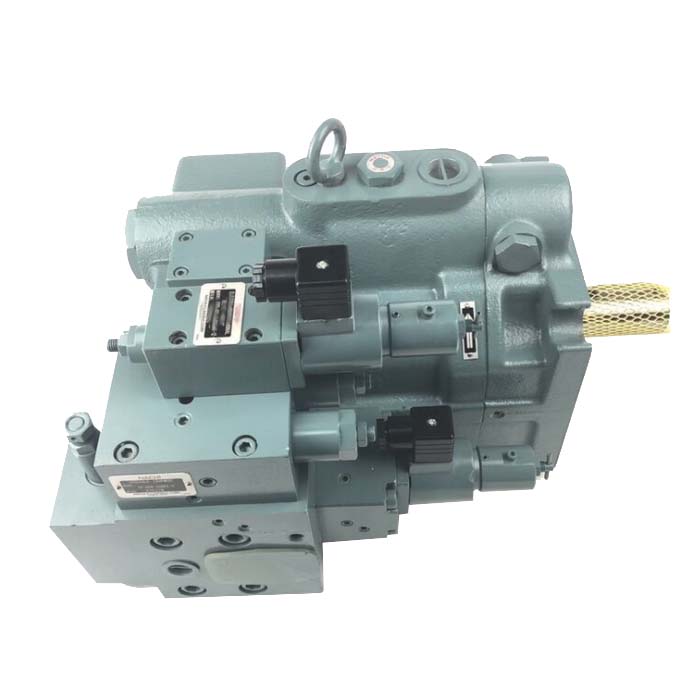
The repairability often depends on the specific design of the tool. Standard mechanical wrenches can sometimes be recalibrated or fitted with new internal springs, though severely bent frames mean the tool is beyond saving. In contrast, heavy-duty industrial systems—such as those powered by a high-pressure Hydraulic torque wrench pump—are modular by design. Internal seals, pistons, and ratcheting mechanisms can be replaced individually by certified technicians, making them highly repairable and cost-effective over their operating life.
The Role of Regular Calibration and Maintenance
Many tools that appear "broken" are actually just out of calibration due to heavy usage or accidental drops. Periodic calibration testing checks whether the tool is applying the correct force. If a wrench fails its calibration audit, a professional calibration service can often adjust or repair the internal mechanisms to bring it back within strict manufacturer tolerances.
When to Repair Versus When to Replace
Knowing when to invest in a repair versus when to retire a tool is vital for maintaining job-site safety and budget efficiency.
Cost-Benefit Analysis of Tool Repairs
For premium industrial-grade hardware, professional repairs usually cost a fraction of a new tool's retail price. Replacing worn seals, pins, or drive plates on a heavy-duty bolting unit restores it to like-new performance. However, if the main structural housing is cracked, heavily corroded, or structurally compromised under high pressure, the safest and most responsible choice is to decommission the tool entirely.
Professional Servicing vs. DIY Fixes
Precision torque tools are complex measuring instruments combined with high-force actuators. Attempting to repair a high-pressure hydraulic torque wrench pump or internal wrench mechanics without specialized training or proper diagnostic equipment can lead to catastrophic tool failure under load. Always rely on certified service centers or manufacturer-approved technicians to perform internal repairs and recalibrations.
Protecting Your Tooling Investment
Preventing premature failure starts with proper daily care. Keeping your tools clean, storing them in protective cases, avoiding over-tensioning beyond rated limits, and following scheduled maintenance guidelines will drastically reduce the frequency of major repairs. Protecting your equipment ensures reliable, precise bolting performance on every single job.
Achieving Excellence with Professional Equipment
Success in industrial assembly relies on selecting robust tools engineered specifically for the demands of your specific work environment.
Engineering for Consistent Results
When operating high-pressure industrial machinery, you need equipment designed for extreme durability and effortless serviceability. Robust housing designs, precision internal valves, and high-grade seals ensure reliable performance under continuous heavy loads. Saivs focuses on providing heavy-duty fluid power hardware that stands up to demanding industrial use, giving you dependable bolting results every single time.
Expert Support for Your Tooling Needs
Selecting the ideal bolting system, matching the correct power pack to your application, or evaluating repair options requires a clear understanding of system dynamics. If you need assistance with equipment selection, calibration, or maintenance procedures, consult with experts who understand industrial hydraulics. Professional guidance ensures that your tool investments accurately protect your operational safety and efficiency.
Trusted Solutions for Industrial Excellence
For professionals demanding the best in heavy machinery support and fluid control, Saivs offers a comprehensive range of industrial equipment. Their commitment to engineering quality and reliability helps keep your operations running smoothly without unexpected interruptions. By choosing Saivs, you invest in durability, precision, and the long-term success of your industrial operations.