SAIVS Battery Torque Wrench Repair, Calibration and Buying Guide
Can a Battery Torque Wrench Be Repaired? A SAIVS Technical Guide
Introduction
Battery torque wrenches are essential tools for precision assembly and heavy maintenance work.
When these tools begin to malfunction, workshop managers and procurement specialists must decide whether to repair, recalibrate, or replace them.
SAIVS delivers professional-grade battery torque wrenches, and understanding repairability, lifecycle, and maintenance helps buyers protect their investment and keep production on schedule.
Understanding SAIVS Battery Torque Wrenches
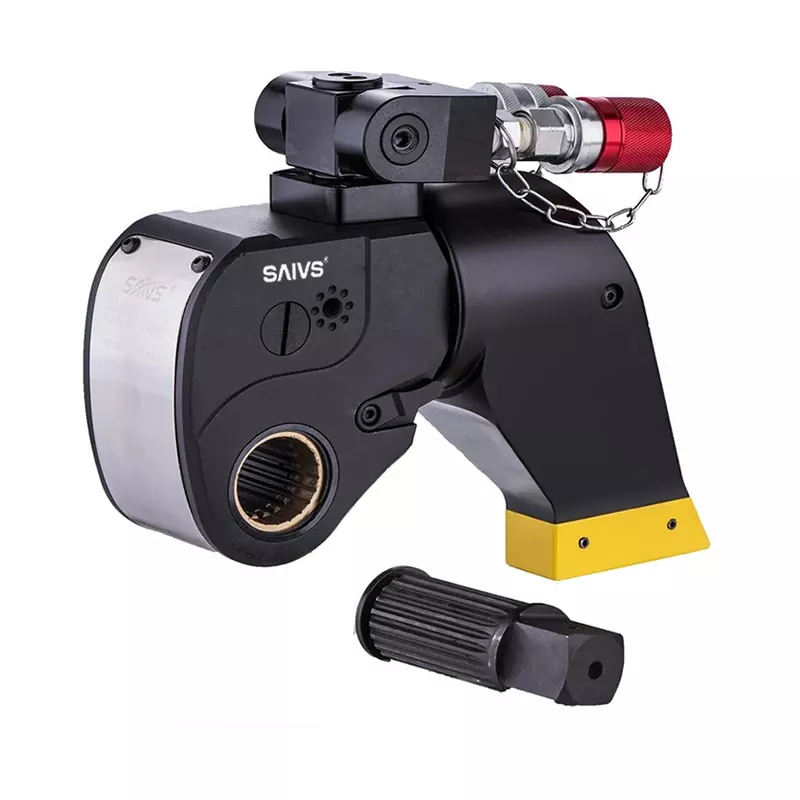
SAIVS battery torque wrenches combine cordless convenience with gearbox-driven accuracy.
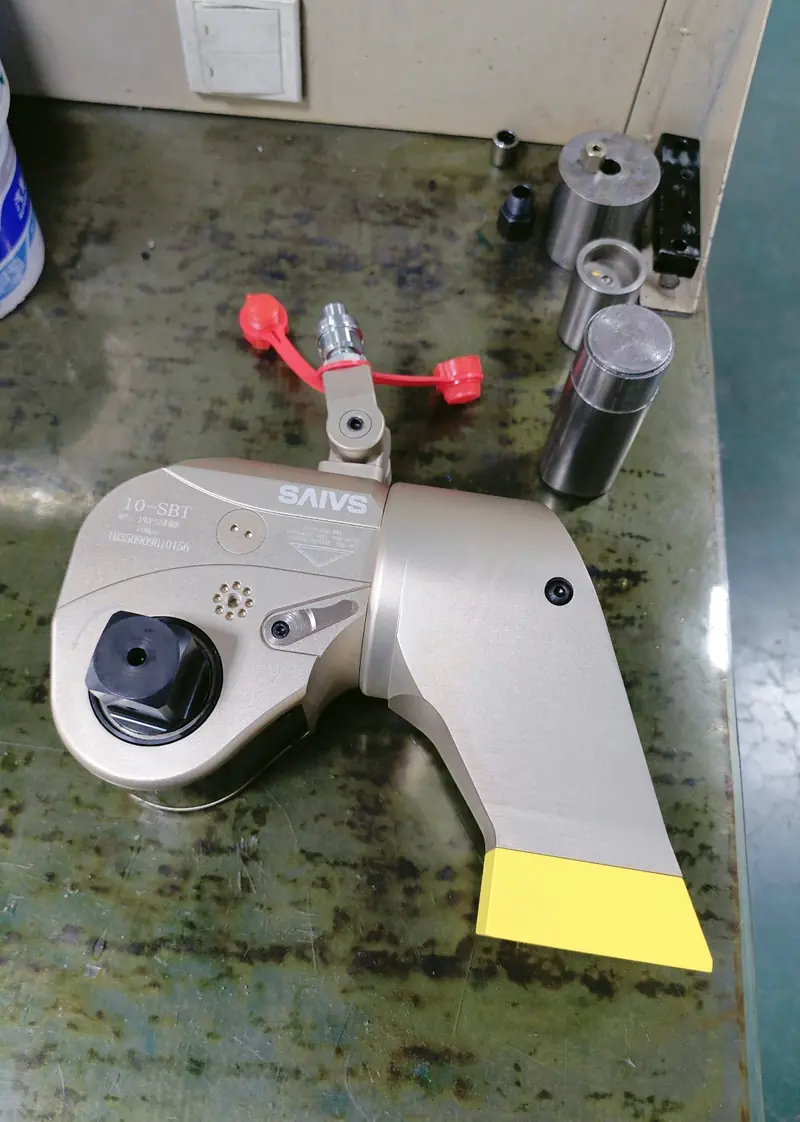
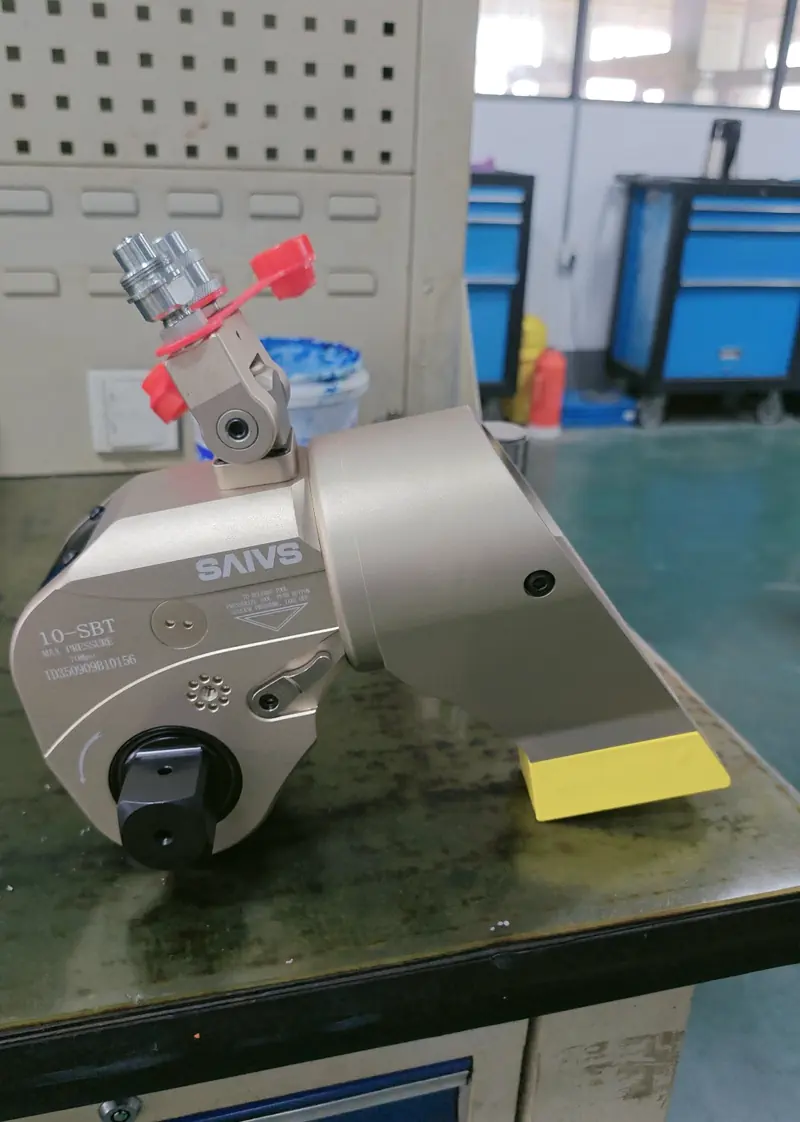
Models in the SAIVS B-RAD SELECT Series provide repeatable torque application through a driven head and a reaction arm that disengages when the target torque is reached.
Because these tools integrate mechanical, electronic, and battery subsystems, diagnosing issues requires a clear process and, in some cases, specialized service.
Common Failures and Diagnostics
Inaccurate torque readings — A wrench that no longer meets its calibration tolerance may need recalibration or electronic repair.
Frequent causes include sensor drift, internal wear, or software/controller faults.
Gearbox problems — Premature gear or bearing failure, or misalignment due to improper reaction point use, can reduce output or cause noise and vibration.
Battery and charging issues — Cells age, chargers fail, or contacts corrode, causing poor run time or unexpected shutdowns.
Electronic component failures — Displays, control boards, and connectors can fail from impact, moisture, or electrical faults.
When Repair Makes Sense
Deciding whether to repair a SAIVS battery torque wrench hinges on several objective factors.
First, check warranty coverage — repairs under warranty should always be routed through SAIVS-authorized service to protect your rights and ensure OEM parts.
Second, evaluate the nature of the fault.
Minor issues (batteries, contact cleaning, calibration) are typically cost-effective to fix.
Major gearbox damage, cracked housings, or multiple electronic failures may push total repair costs close to replacement price, at which point replacement becomes the economical choice.
Cost-Benefit and Lifecycle Considerations
When calculating repair value, include labor, parts, downtime, and calibration certification.
For fleet tools used in critical assembly lines, maintaining a well-documented calibration history and performing annual calibrations often reduces long-term cost by catching wear early.
For older units with recurrent failures, investing in modern SAIVS models with improved reaction designs and serviceable modules is frequently the smarter procurement decision.

How to Repair and Recalibrate a SAIVS Wrench
Follow a standard, proven workflow for safe and traceable repairs:
1. Stop use immediately if gearbox symptoms appear to avoid further damage.
2. Contact SAIVS or an authorized distributor for RMA instructions and warranty validation.
3. Provide model and serial numbers, and a clear fault description so the service center can triage repairs and parts.
4. Ship the tool following the service center’s guidance and obtain written repair estimates.
5. After repair, ensure the tool is returned with OEM parts installed and a calibration certificate showing it meets specified tolerances.
Preventive Maintenance Best Practices
Simple maintenance extends tool life and reduces repair frequency.
Store tools in clean, dry cases and avoid impact or reaction force on the arm leg; always apply reaction force squarely to the foot of the reaction arm.
Keep vents and contacts free from debris and schedule annual calibrations to meet industry standards or shorter intervals when facility QA requires tighter control.
Train operators on proper reaction point selection and authorized torque sequences to prevent mechanical overloads.
Parts, Serviceability, and Aftermarket Support
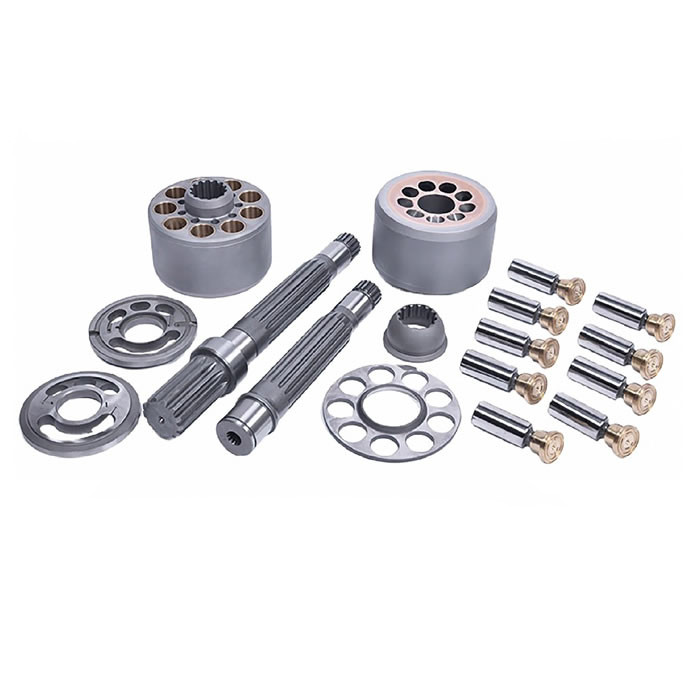
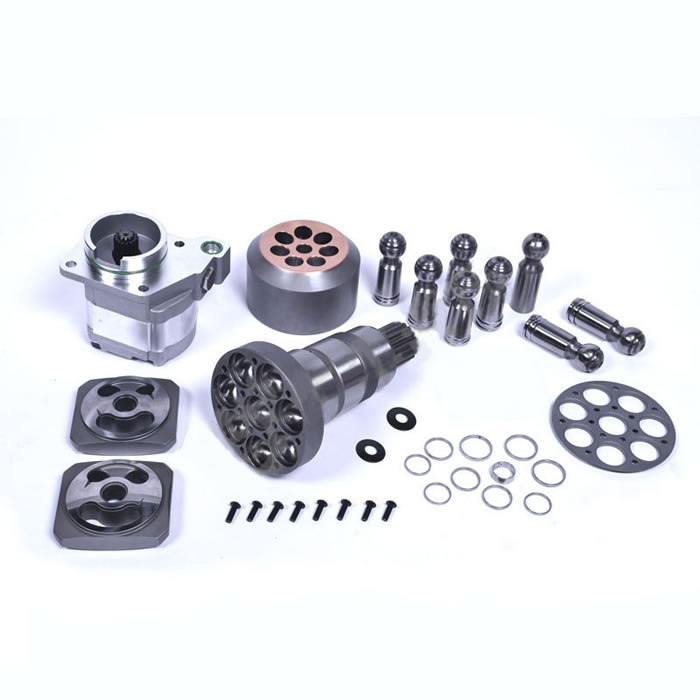
SAIVS supports repairability through rebuild kits, replacement batteries, and modular electronic assemblies for many product lines.
Using authorized parts and calibration labs preserves accuracy and safety, and protects warranty status.
If a local certified calibration laboratory is not available, SAIVS can advise regional service partners or factory-return options to ensure minimal downtime.
Make the Right Procurement Decision
Repair when: the tool is under warranty, the fault is isolated, or the repair cost is substantially lower than replacement and calibration will return the tool to spec.
Replace when: gearbox or housing damage is extensive, electronic failure is widespread, or the cumulative repair history indicates a shortened remaining useful life.
For companies procuring new torque tools, choose SAIVS models with documented serviceability, clear calibration pathways, and authorized distributor support to protect uptime and long-term costs.
Conclusion
Yes — a battery torque wrench can be repaired, and SAIVS provides the technical support, parts, and calibration solutions necessary to keep tools precise and productive.
Adopting preventive maintenance, using correct reaction points, and leveraging SAIVS-authorized service will maximize tool life and reduce total ownership cost.
Contact your SAIVS representative for repair quotes, rebuild kit availability, and calibration services tailored to your operational needs.